
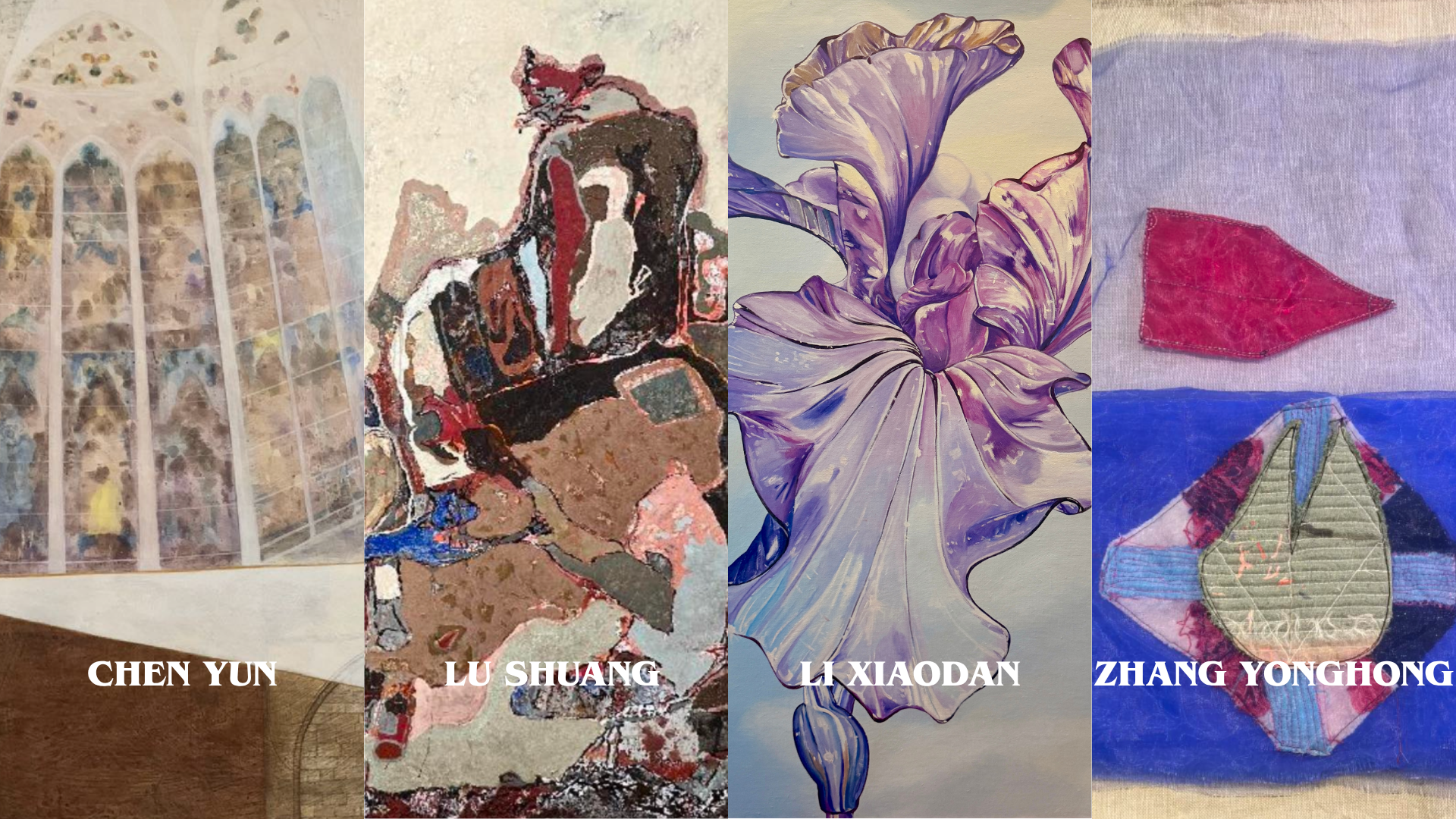
After the Image
-
After the Image
In contemporary visual culture, the image no longer appears as a stable endpoint of representation. It operates instead as a transitional condition—formed through historical sedimentation, perceptual negotiation, and material transformation. After the Image takes this instability not as a crisis of visibility, but as a structural premise: the image is understood here as something that is continuously made, unmade, and reconfigured across different regimes of time, matter, and perception.
The exhibition unfolds through four artistic positions that trace a shifting ontology of the image—from its formation to its dissolution.
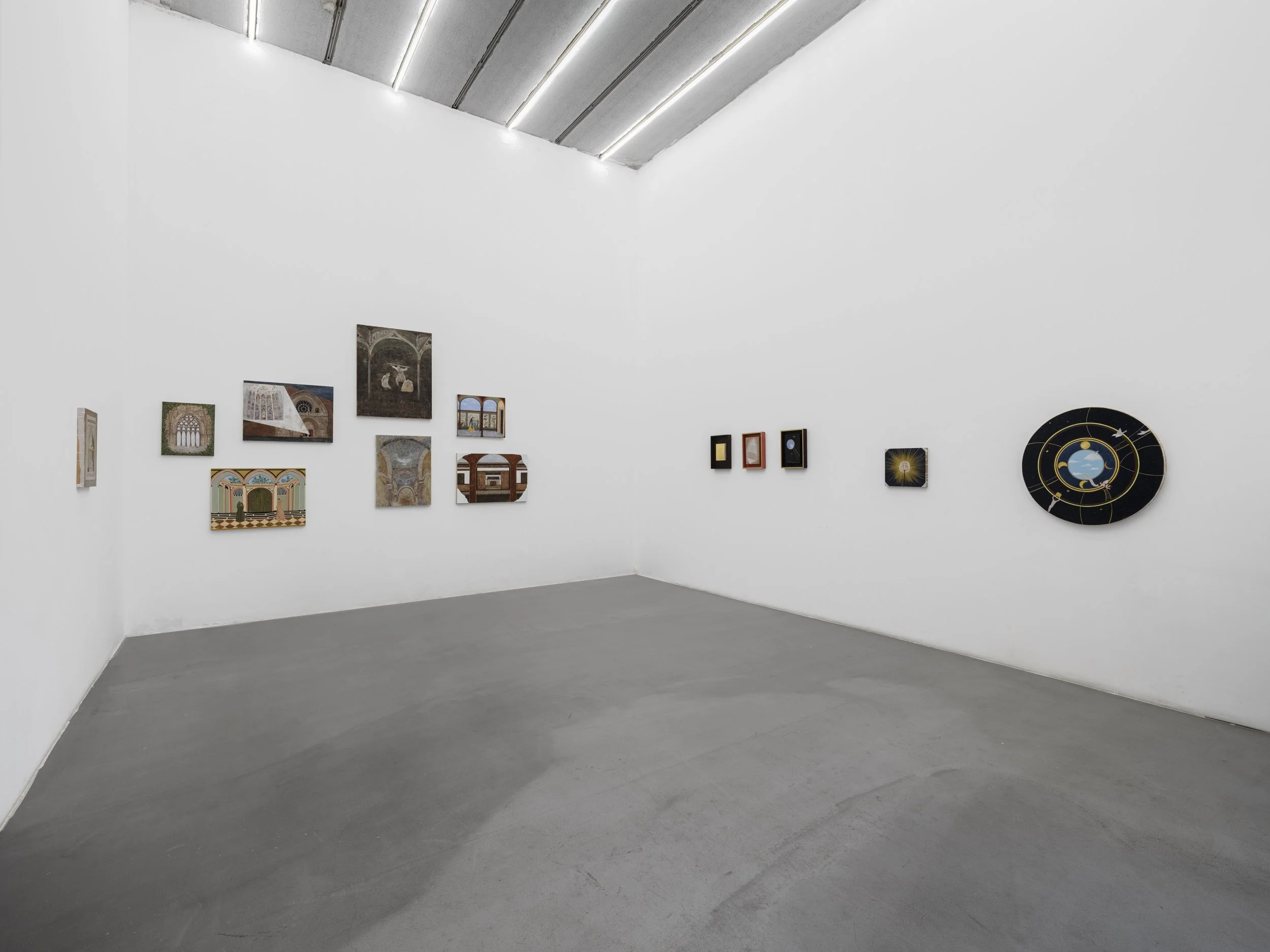
For Chen Yun, the image emerges as an archaeological structure, in which religious iconography, cultural hybridity, and personal memory are interwoven into spatial-temporal constructions. Her work frames the image as a site of layered historical transmission, where visual forms function as inherited yet transformable systems.
This structural condition becomes unstable in the practice of Lu Shuang, where mineral pigments and mural traditions are reactivated through processes of controlled disruption. Here, the image is no longer a fixed composition but a negotiated field between order and contingency. Material behavior and painterly intention coexist without resolution, generating forms that remain in continuous formation.
In contrast, Li Xiaodan’s practice sustains the image as a system of cultural continuity. Drawing from classical pictorial traditions and Eastern aesthetic systems, she constructs visual fields in which formation, fracture, and repair operate as an internal logic. Change is not narrated, but embedded within the structure of the image itself. Rupture does not signify an end, but becomes a condition for renewal, allowing the image to remain both historically grounded and perceptually open in a state of fragile continuity.
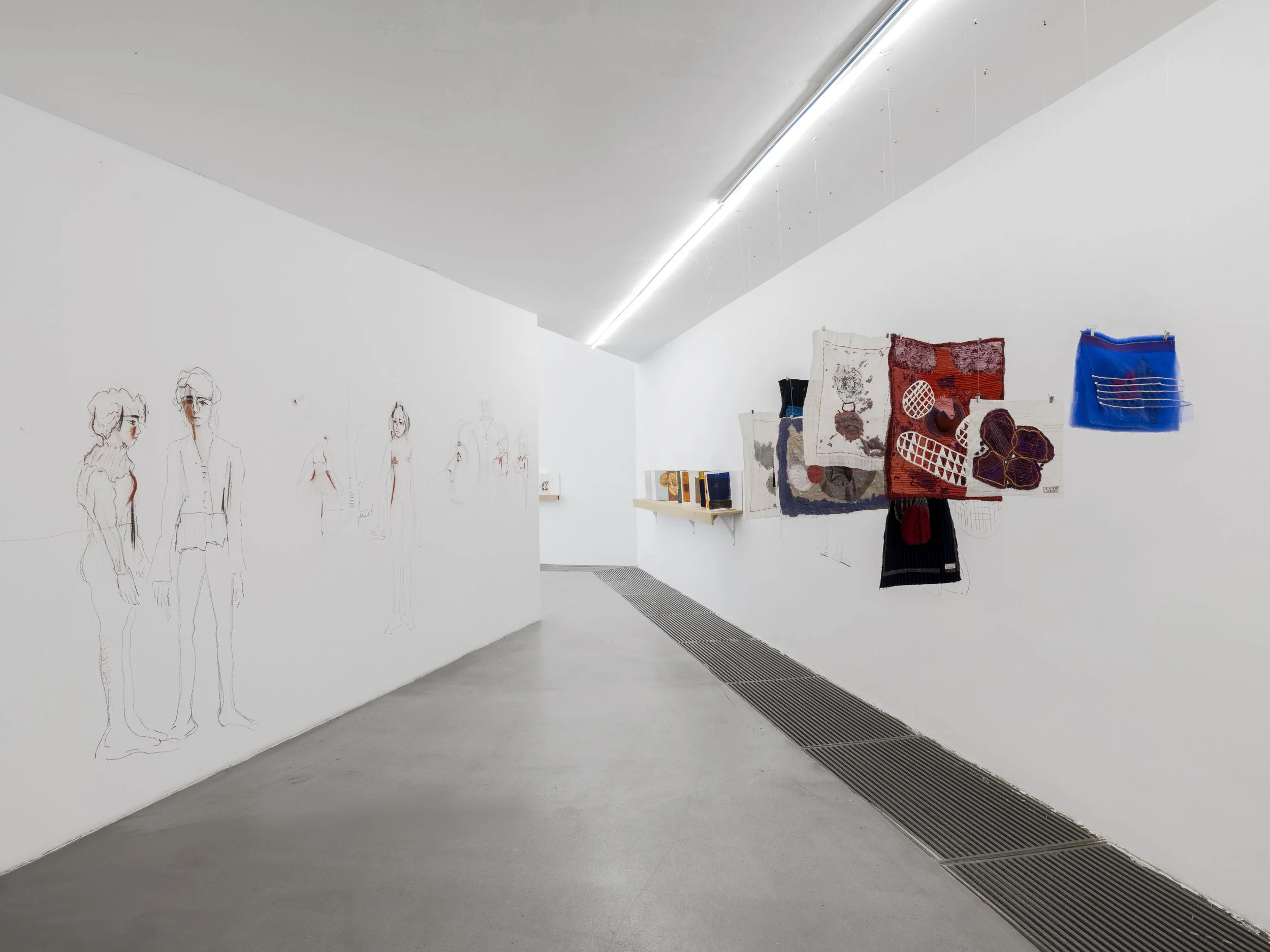
This continuity reaches a critical threshold in the practice of Zhang Yonghong, where the image is gradually displaced by material process. Through stitching, cutting, weaving, and layering, representation dissolves into tactile, emotional, and symbolic residues. Here, the image no longer operates as a stable visual system, but re-emerges as a fragmented field of affect, memory, and material trace. The visual no longer holds as a coherent system; it disperses into fragments of labor, memory, and material duration.
Across these four positions, after functions both as temporal condition and epistemic distance. It marks not a succession beyond the image, but a space in which the image persists in unstable states—emerging, destabilizing, sustaining, and dissolving.
Ultimately, After the Image proposes that the image is not an object to be seen, but a field of ongoing negotiation between form and matter, history and perception. What remains is not a singular visual truth, but a shifting terrain in which seeing itself is continuously reconfigured.
— Curator Marina Song
-
在图像之后
在当代视觉文化中,图像不再作为再现的稳定终点而存在,而是作为一种过渡性的状态,由历史沉积、感知协商与物质转化共同生成。《在图像之后》并不将这种不稳定性视为可见性的危机,而是将其确立为一种结构性前提:图像在此被理解为一个持续生成、拆解并不断重组的过程性存在,横跨时间、物质与感知的不同层面。
展览围绕四种艺术实践展开,它们共同勾勒出图像在不同存在论状态中的迁移路径——从生成到消散。
在陈赟的创作中,图像首先作为一种考古性的结构被建立。宗教图像、文化杂糅与个人记忆在画面中彼此交织,形成具有空间与时间复合维度的视觉构成。图像在此并非再现性的对象,而是一种层叠的历史传递机制,其视觉形式作为可被继承并不断转化的系统而存在。
这一结构在陆霜的实践中进入不稳定状态。通过矿物颜料与壁画传统的再激活,图像在控制与偶然之间不断生成与偏移。在这一过程中,图像不再是封闭的构图系统,而成为秩序与偶发性持续协商的场域。材料的物理属性与绘画意图并置而不趋于统一,从而使形式始终处于生成之中。
相较之下,李笑丹的实践维持图像作为文化连续性的机制。她借由古典绘画传统与东方美学,在视觉中建立起一种以生成、破碎与修复为内在逻辑的结构。图像在此并非以叙事方式呈现变化,而是在无常与转化之间,将时间性内化为形式法则。破裂并不指向终结,而成为持续生成的条件,使图像在承载历史深度的同时,以一种脆弱却持续的方式对当代感知保持开放。
这一连续性在张永宏的实践中抵达临界点。通过缝制、切割、编织与层叠等物质操作,图像逐渐脱离再现系统,转化为触觉、情绪与符号交织的时间性残余。在此,图像不再作为一个稳定的视觉系统运作,而是在情感、记忆与物质痕迹之间重新显现为碎片化的场域。视觉结构不再成立,而是散落为劳动、记忆与物质持续性的碎片。在这一由生成至消散的整体结构中,“之后”既是一种时间性条件,也是一种认知性距离。它并不意味着图像序列的终结,而是指向一个图像持续处于不稳定状态中的空间——生成、扰动、维系与消散在此同时发生。
最终,《在图像之后》所提出的,并非图像作为对象的可见性问题,而是图像在形式与物质、历史与感知之间持续协商的存在论场域。所留下的,并非单一的视觉真理,而是一片不断变化的地形,在其中“观看”本身被持续重构。
——策展人 宋京泯
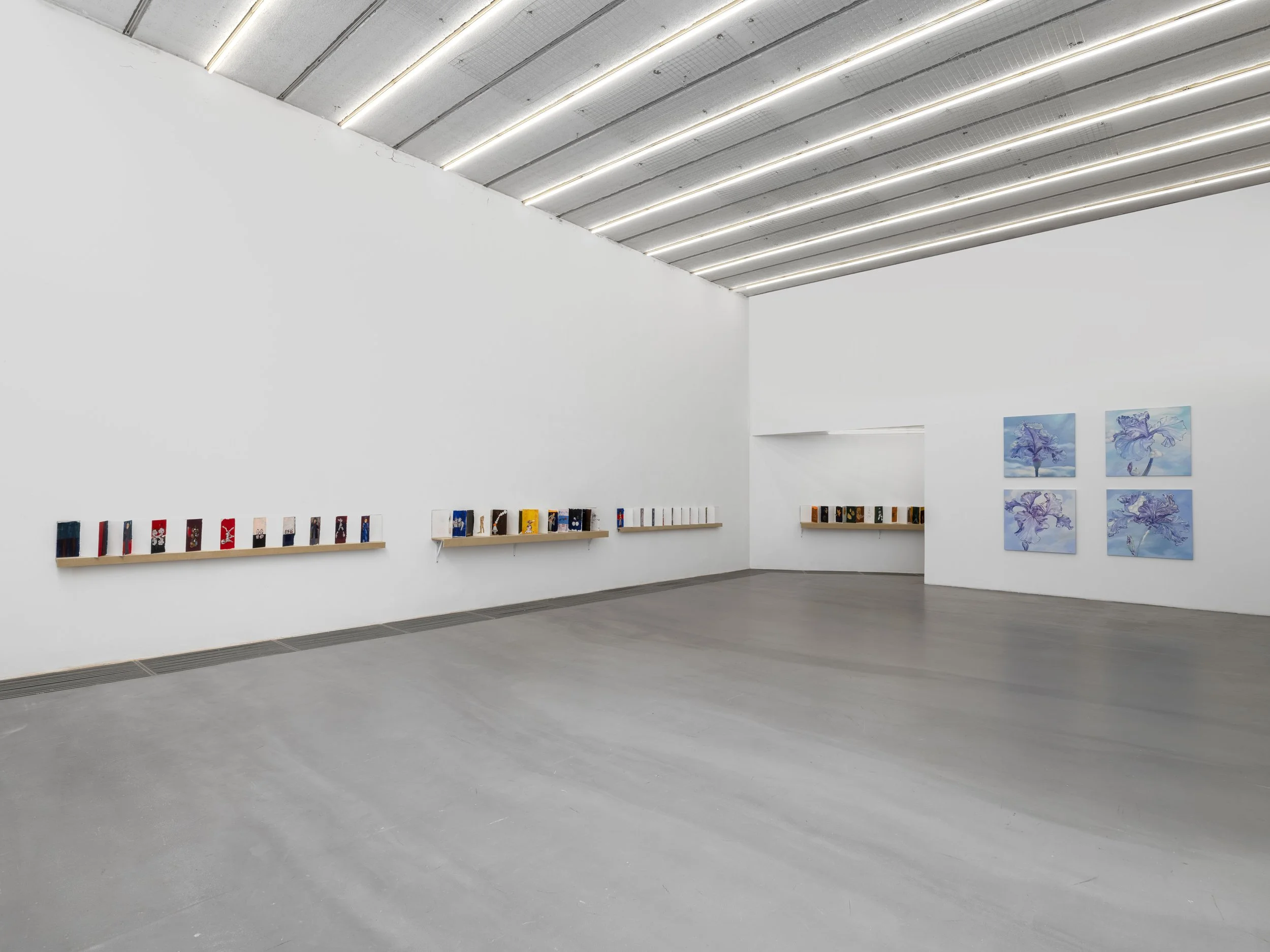
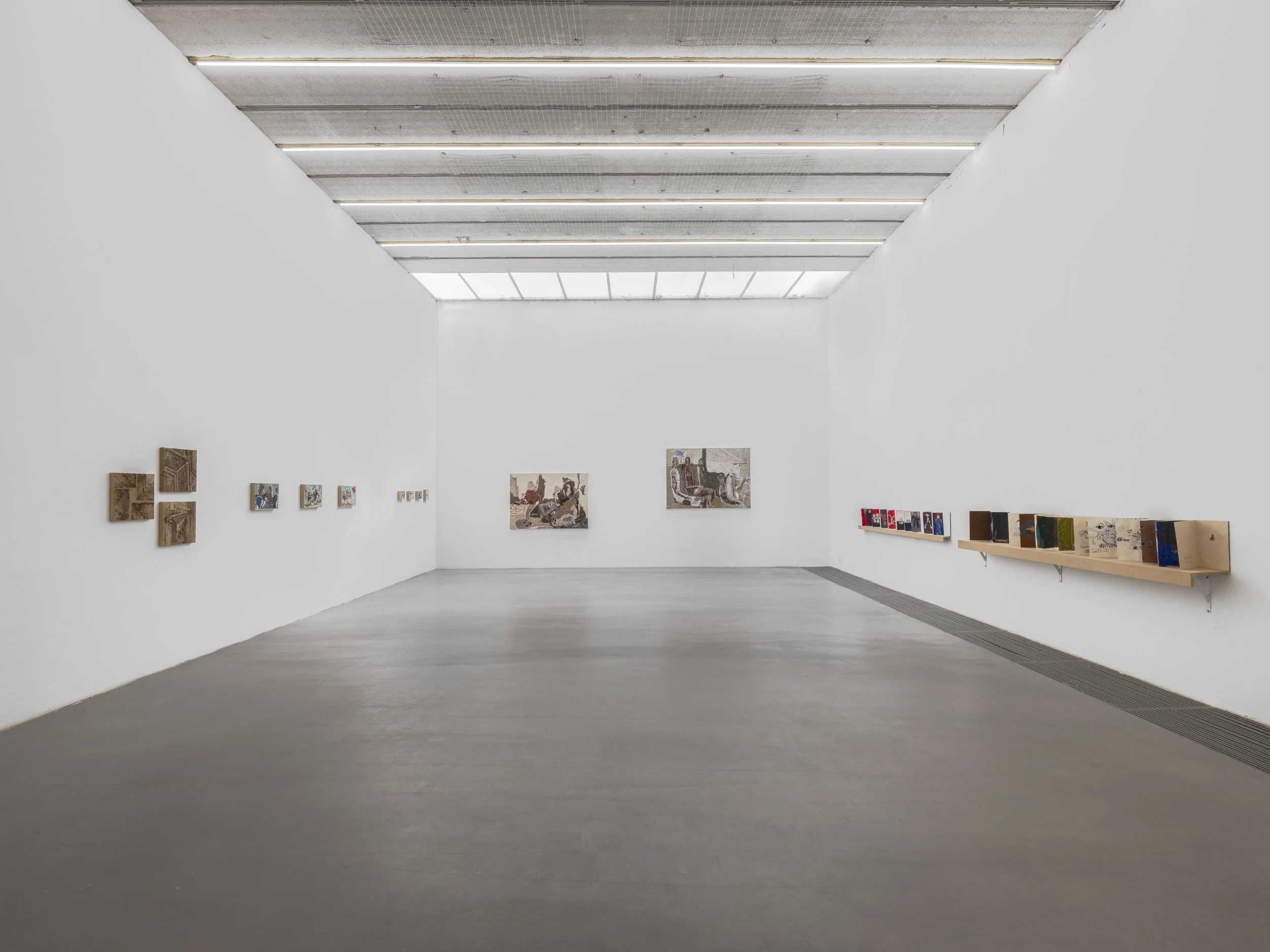
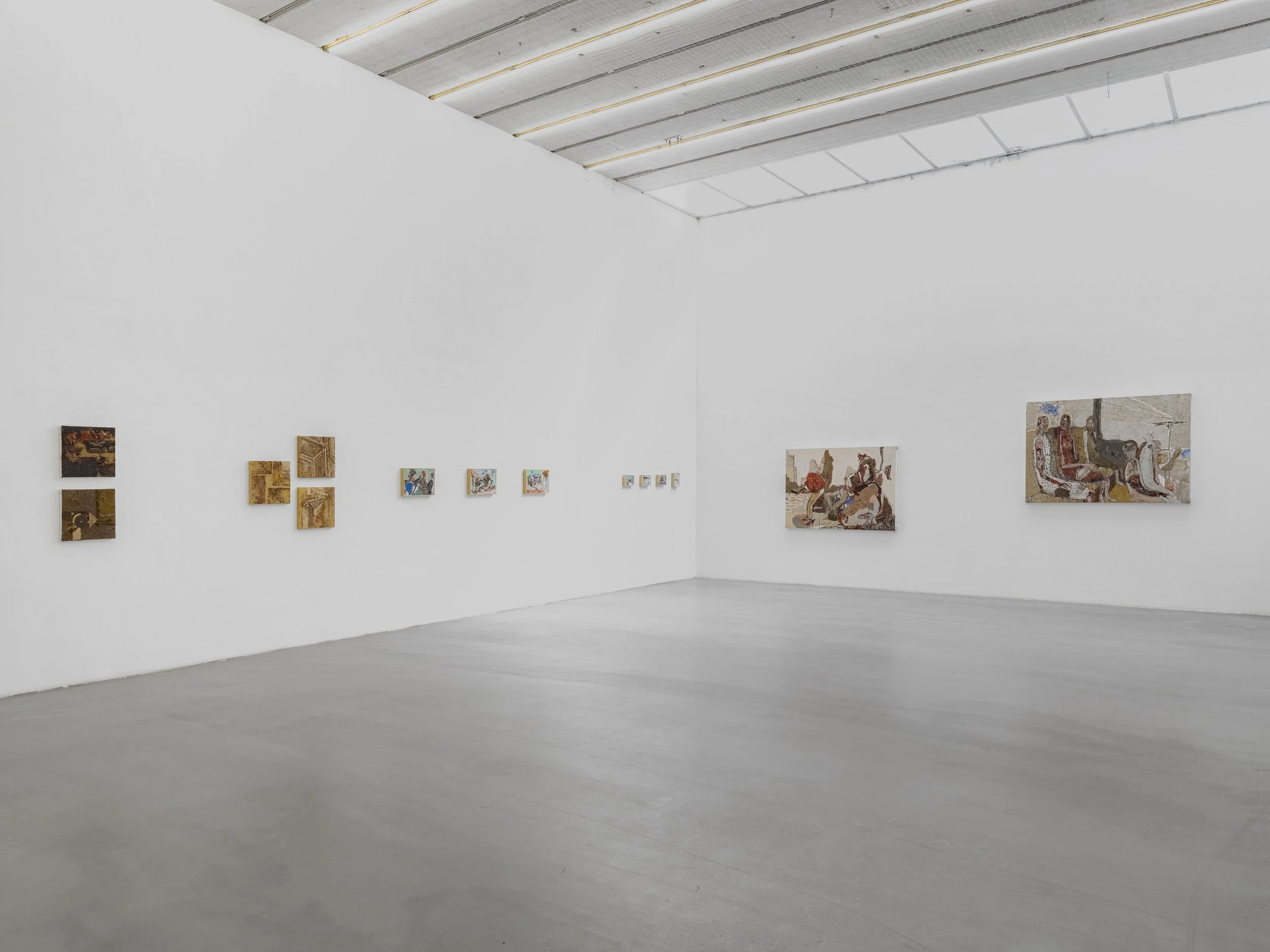
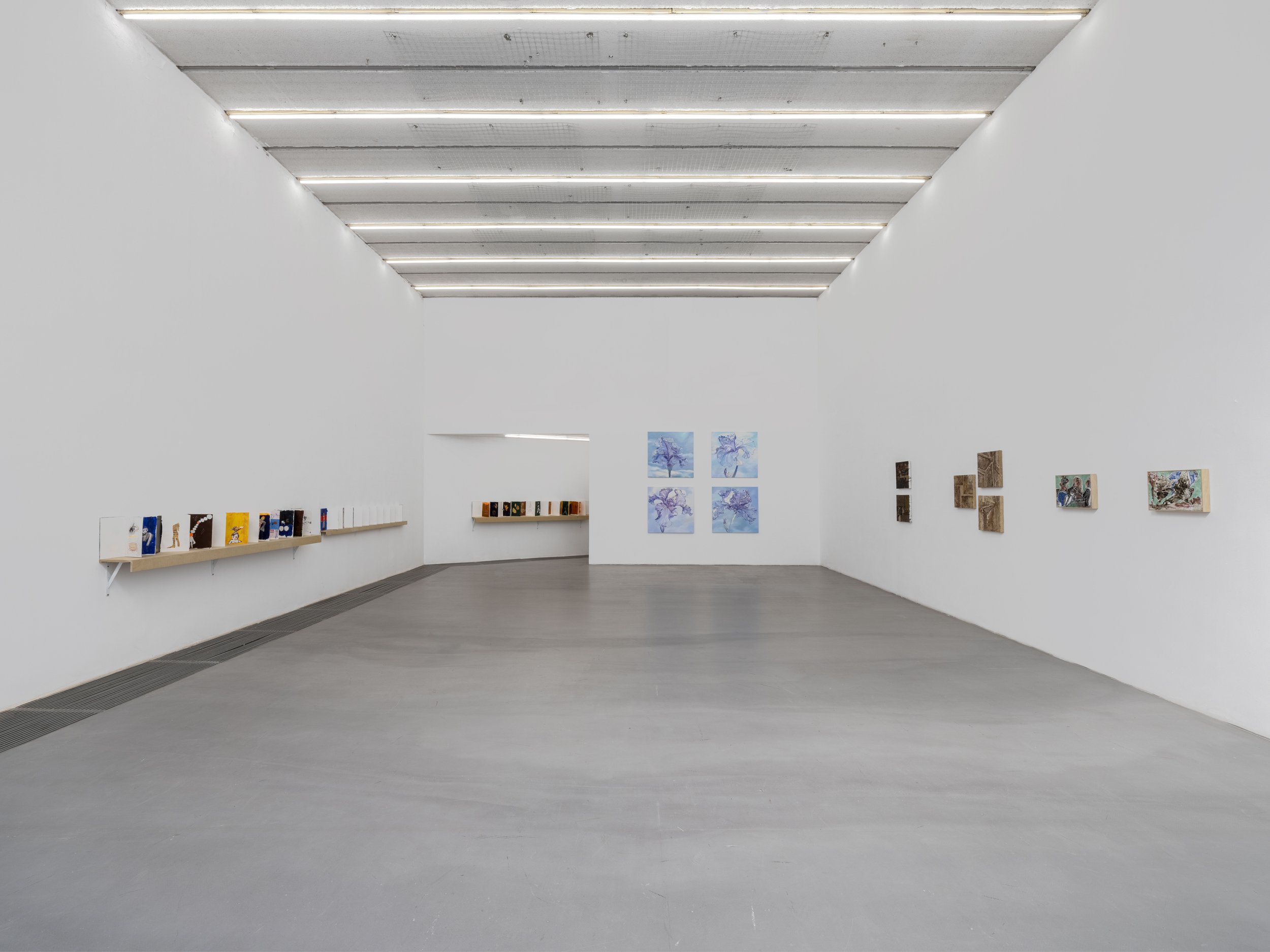
Selected Artworks
-
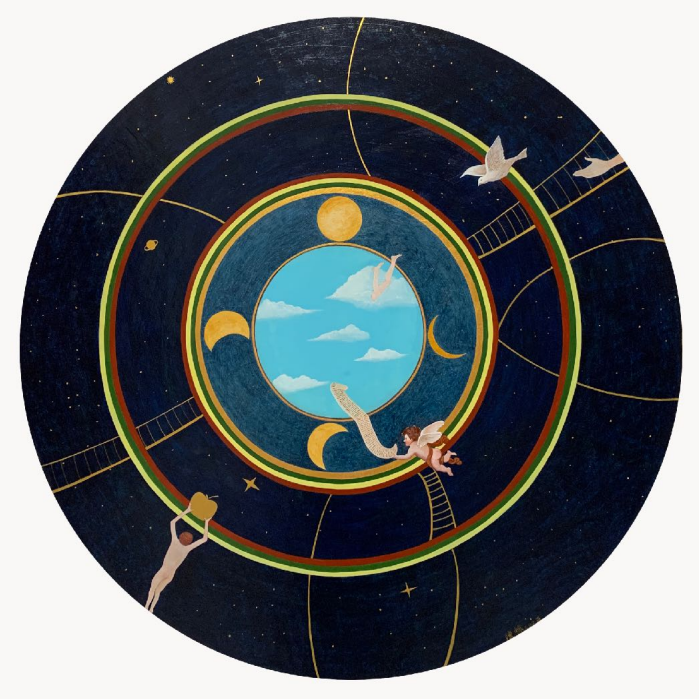
Chen Yun
Understanding various 'micro-narratives' with a cosmic perspective 2, 2024
Tempera on wood
80 x 80 cm
-
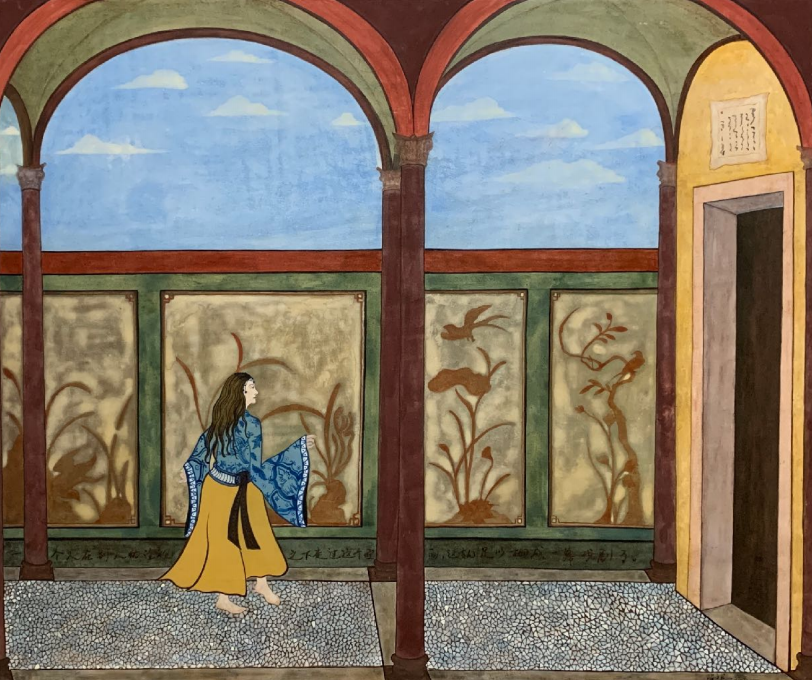
Chen Yun
Looking Back on Interesting Things, 2025
Tempera on wood
50 x 60 cm
-
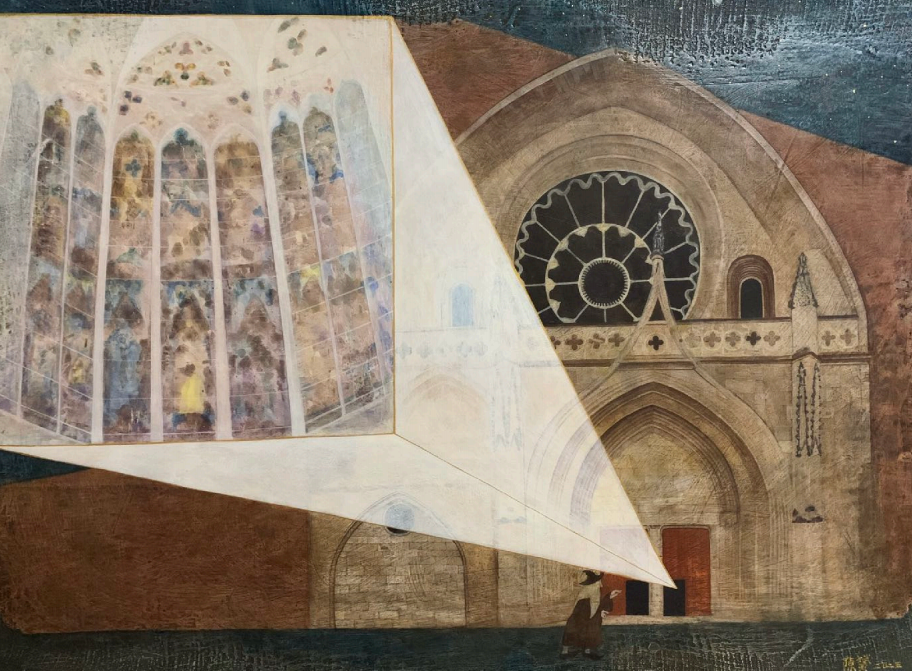
Chen Yun
Classic Reversal, 2025
Tempera on wood
60 x 80 cm
-
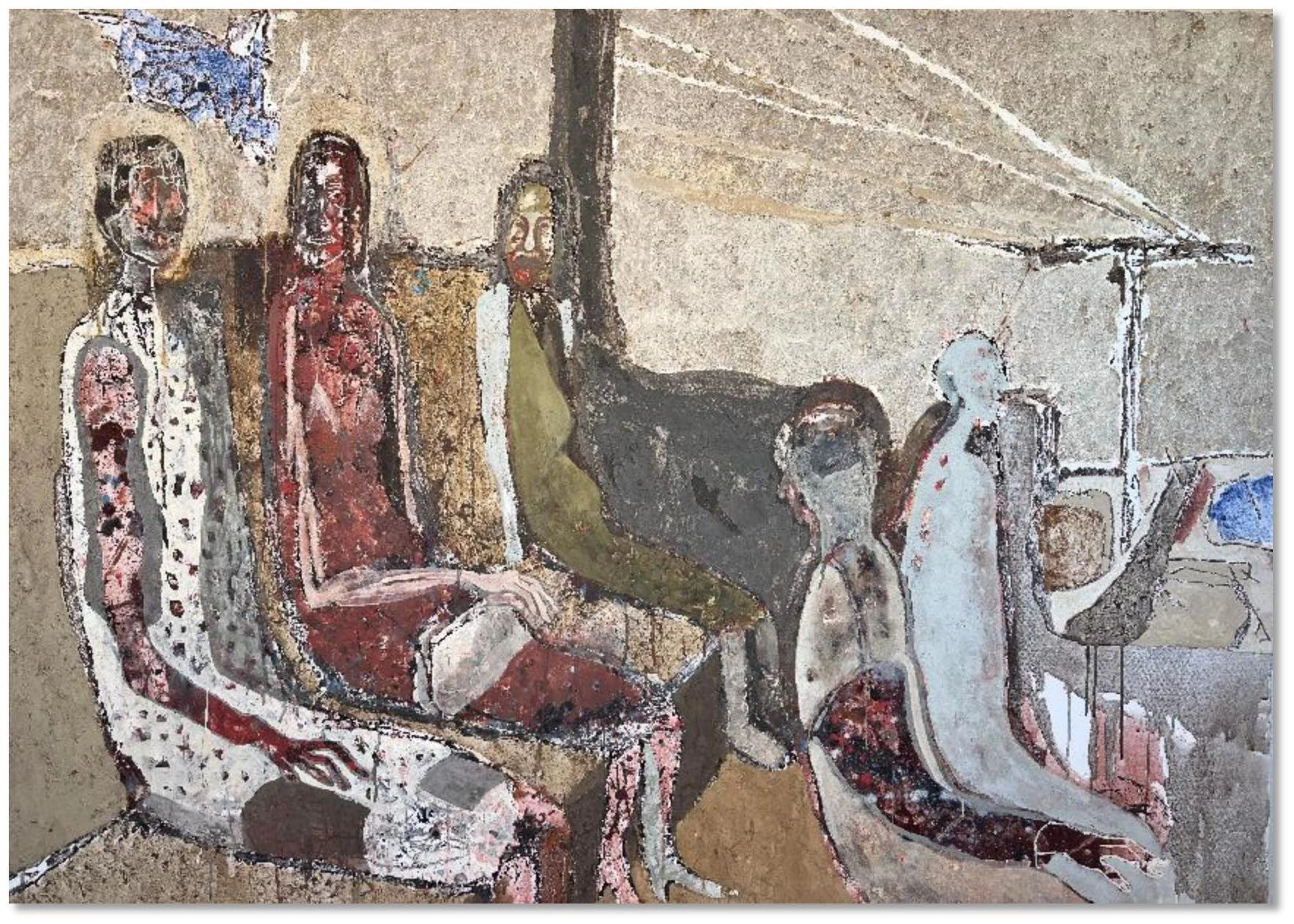
Lu Shuang
Wayfarer, 2025
Mineral pigment on canvas
130 x 183 cm
-
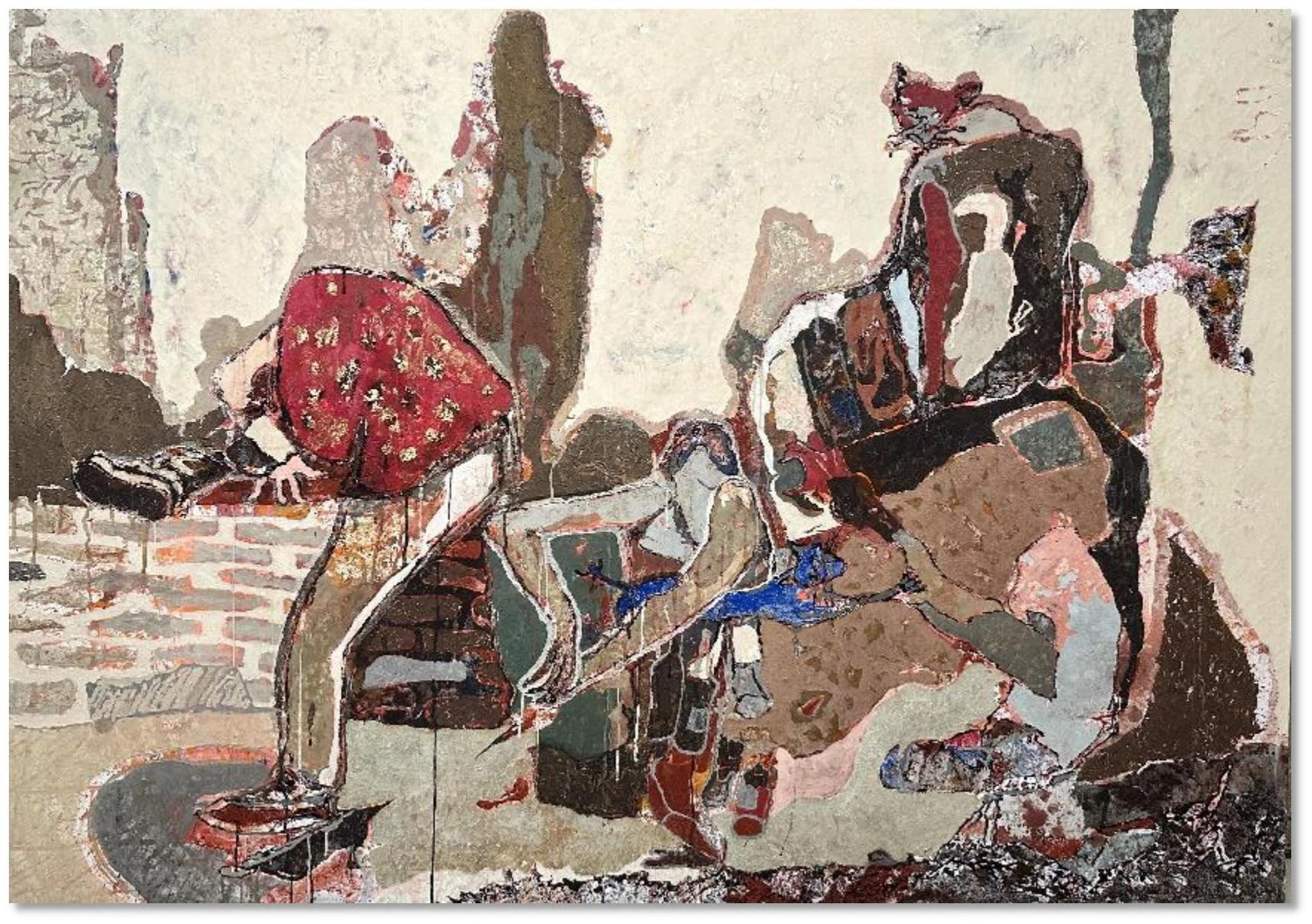
Lu Shuang
States of Intoxication 2, 2025
Mineral pigment on canvas
169 x 122 cm
-
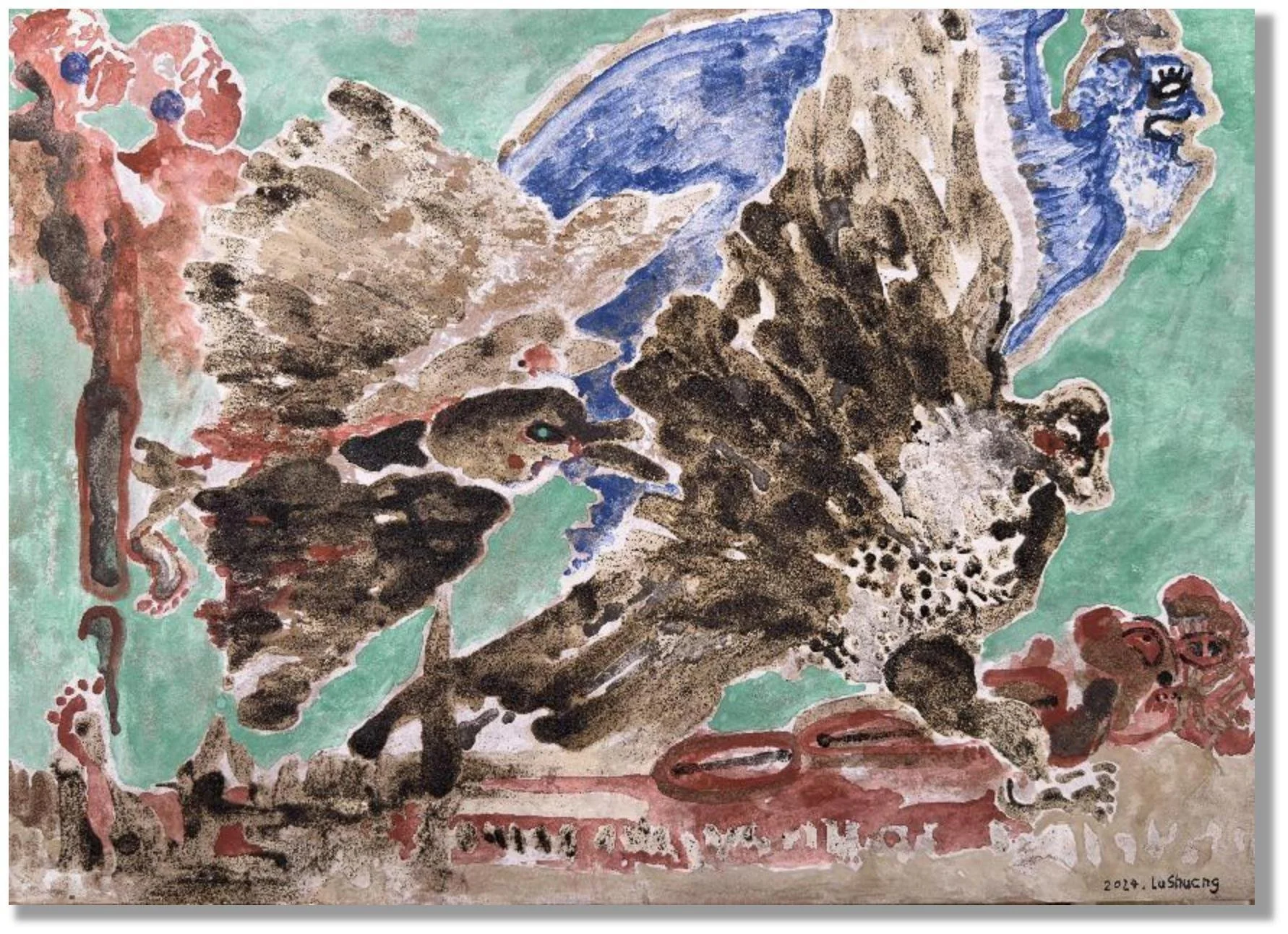
Lu Shuang
Shared Meal 2, 2024
Mineral pigment on paper
21 x 29.7 cm
-
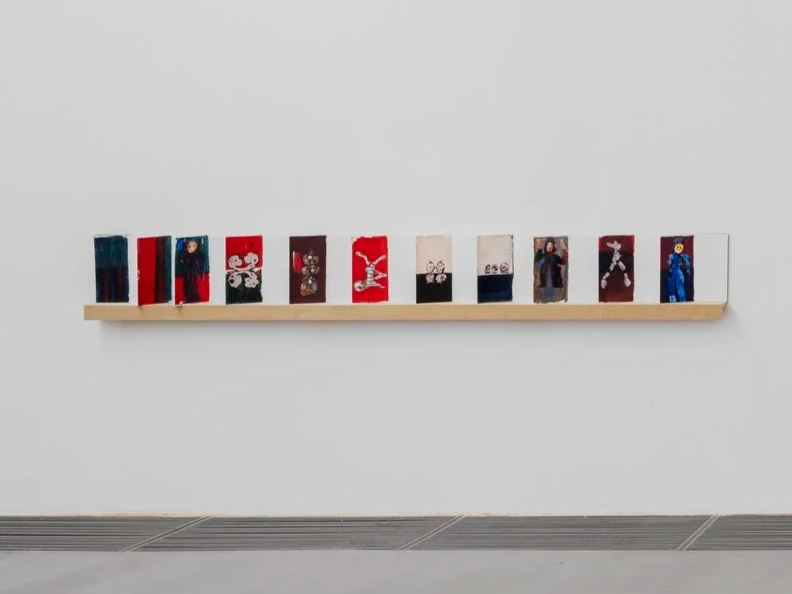
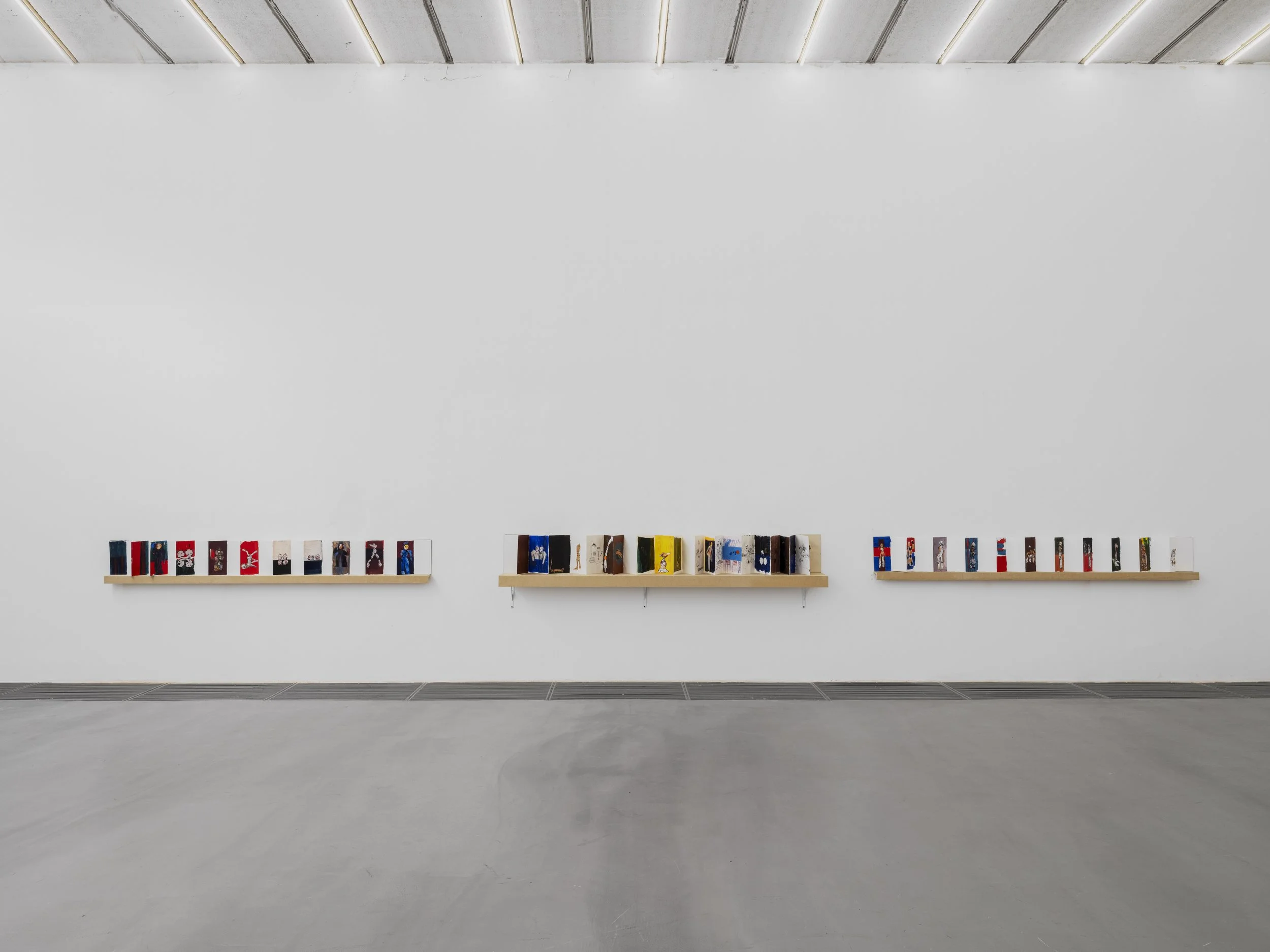
Zhang Yonghong
The Spring, 2025
Album
Watercolour, acrylic, colored pencil and marker on paper
32 x 432 cm
-
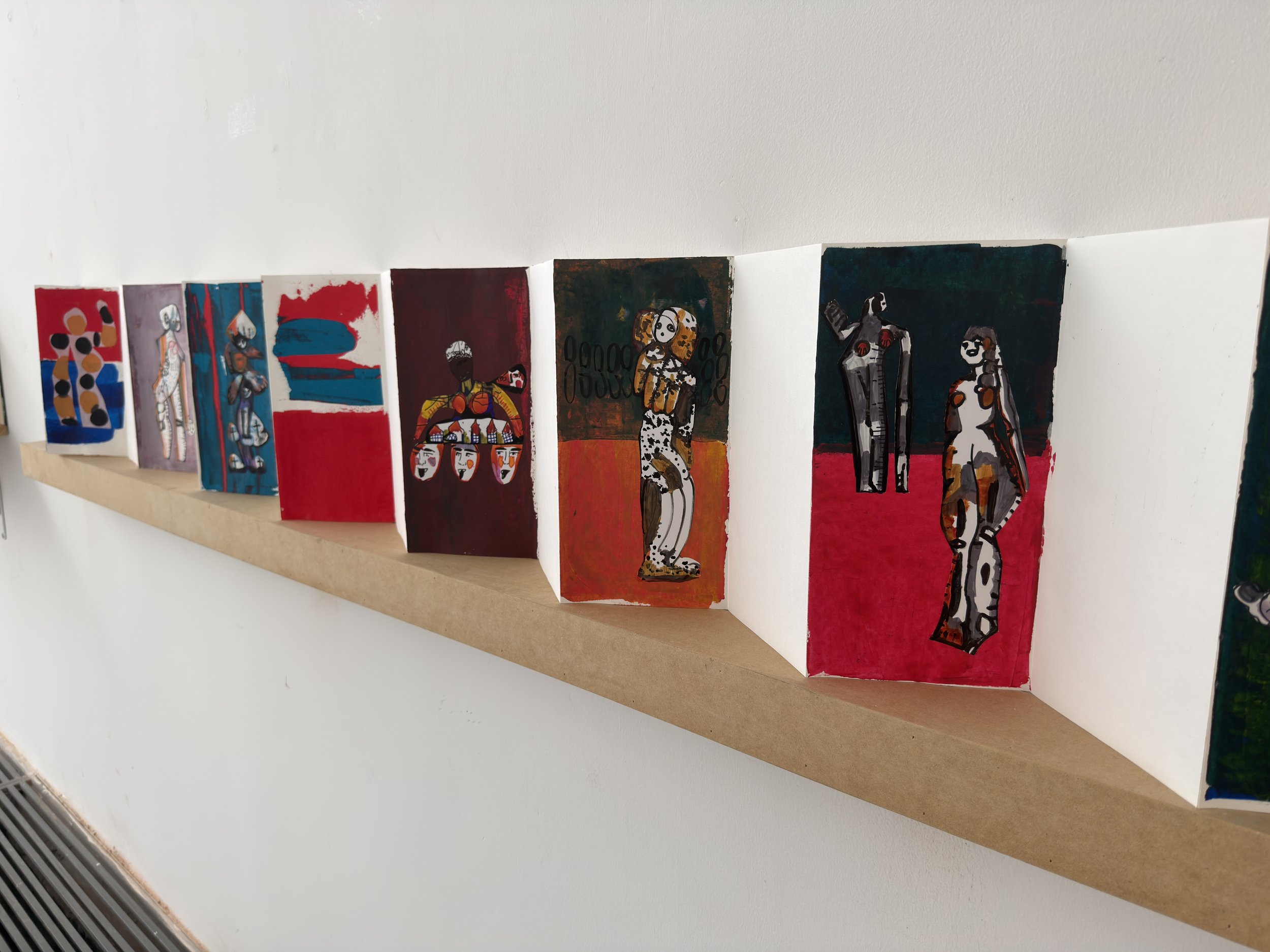
Zhang Yonghong
More Than Conquerors, 2025
Album
Acrylic, colored pencil and graphite on paper
32 x 432 cm
-
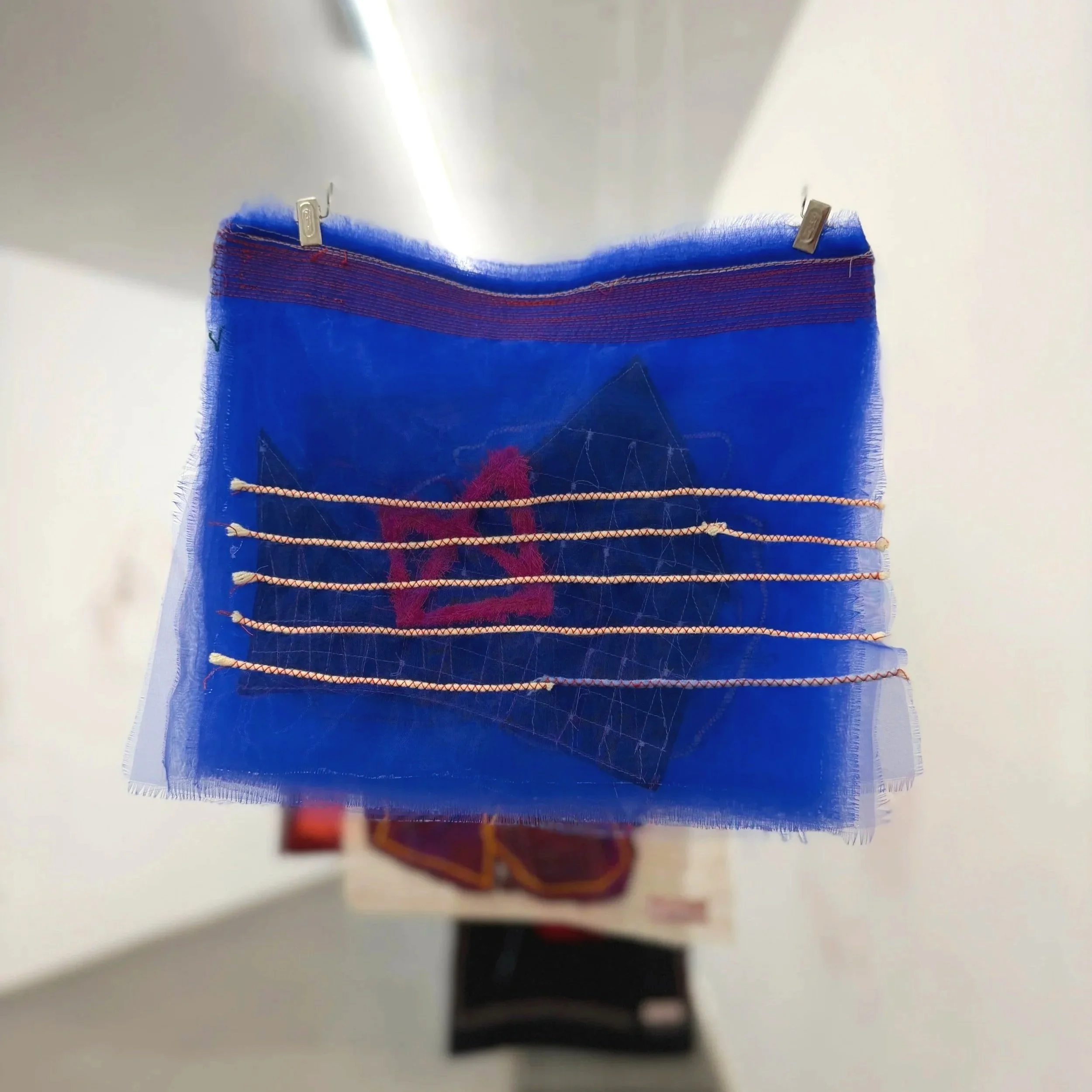
Zhang Yonghong
Blue Dance Series, 2025
Textile Book
Organza, Cotton Thread, Wool Yarn, and Cotton Fabric
25 x 30 cm
-
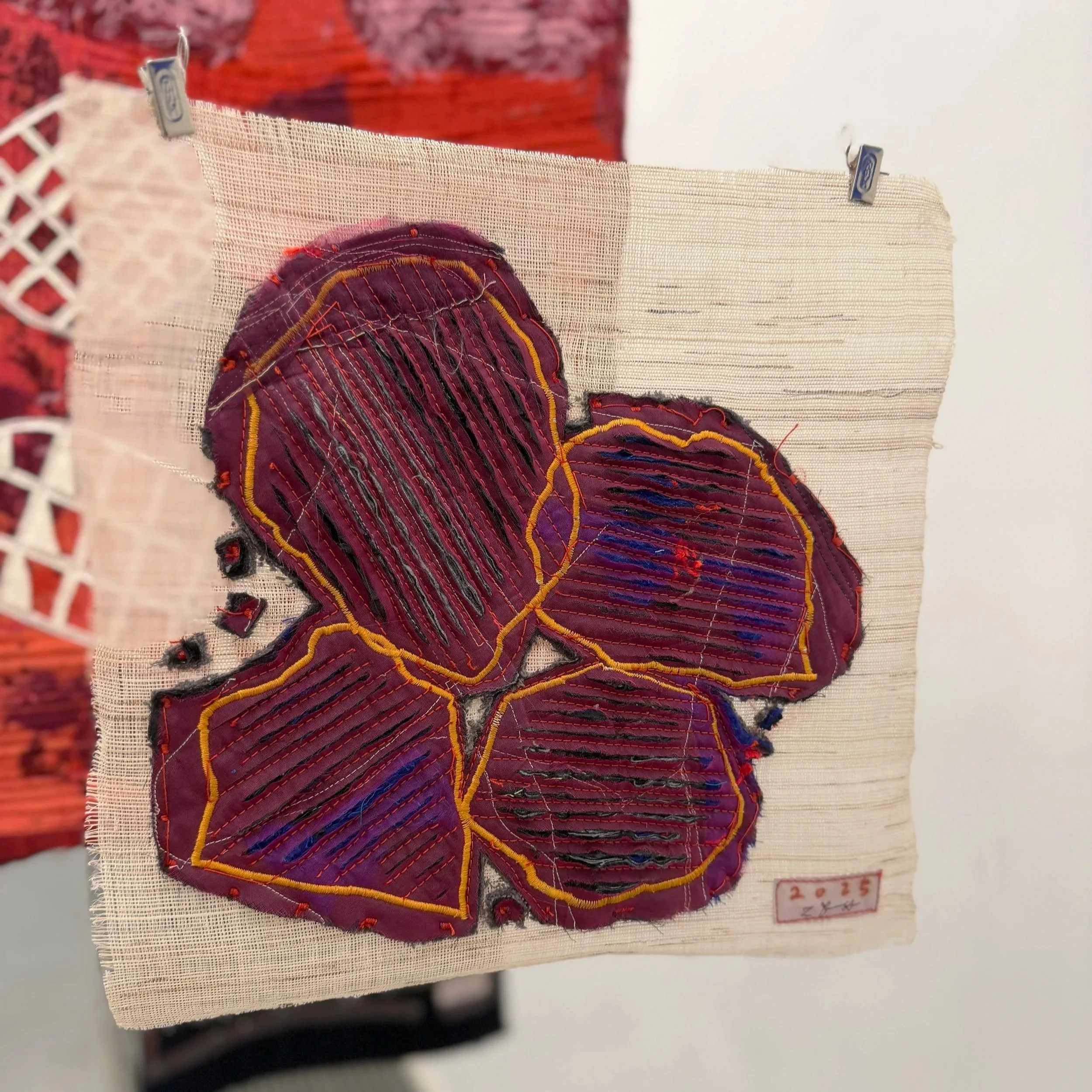
Zhang Yonghong
Outline of Rolling Stones, 2025
Linen, Cotton Fabric, Organza, Wool Yarn
32 x 33 cm
-
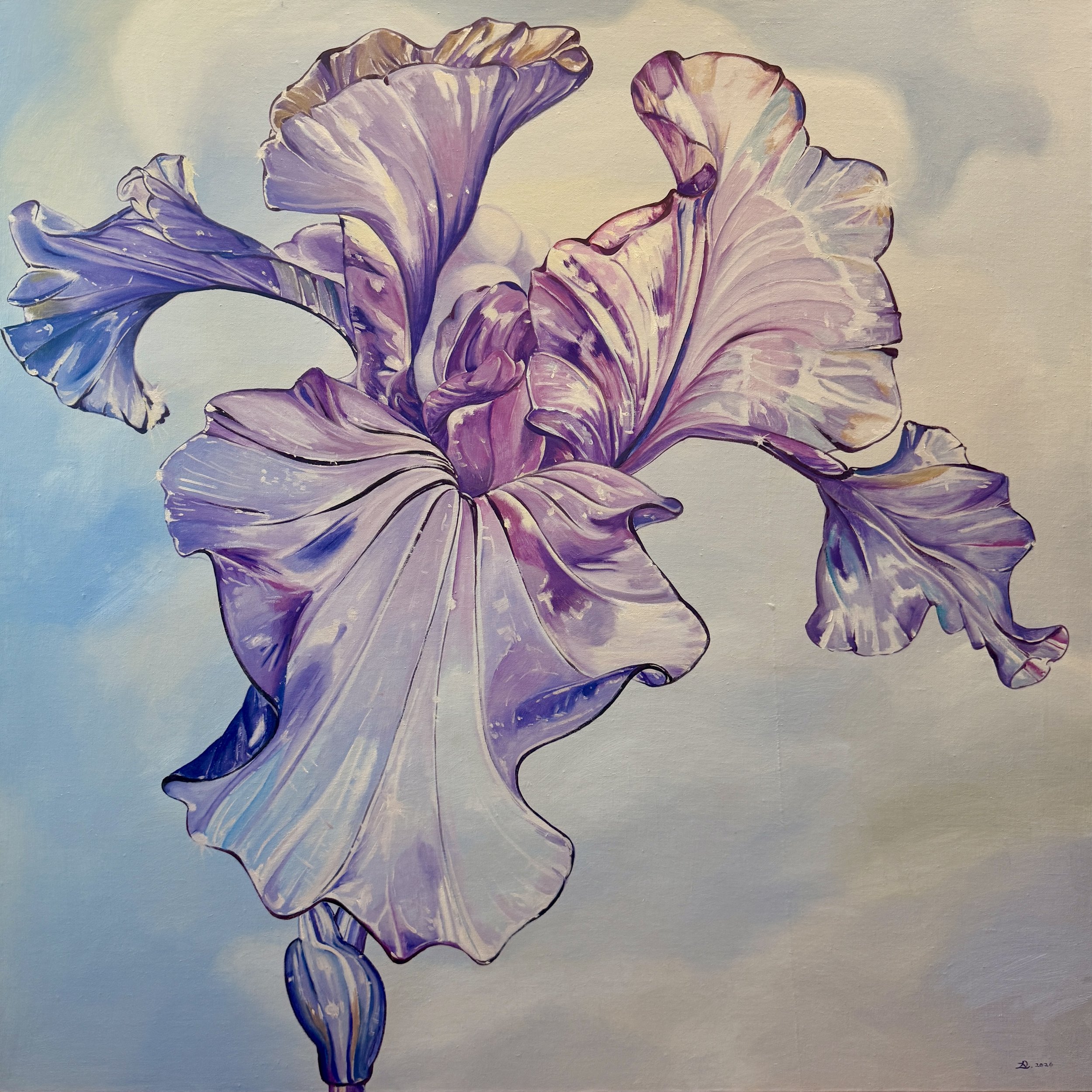
Li Xiaodan
Records of Cloud-Mended Glass No.5, 2026
Oil on canvas
100 x 100 cm
-
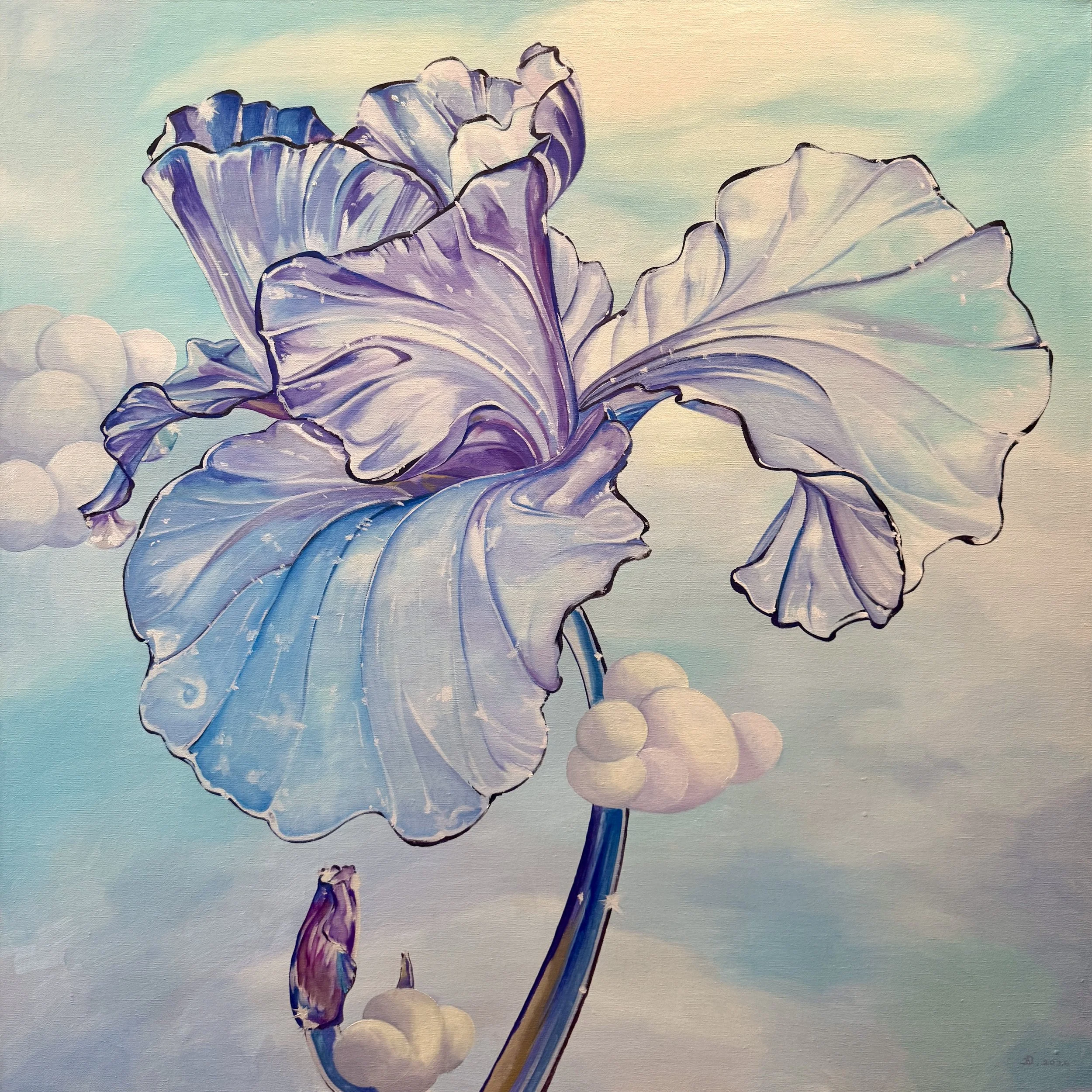
Li Xiaodan
Records of Cloud-Mended Glass No.6, 2026
Oil on canvas
100 x 100 cm
Open the checklist 查看作品清单
Artist Biographies
Chen Yun 陈赟
Chen Yun (b. 1993, Fujian, China) currently lives and works in Beijing. Her practice is rooted in a unique cultural intersection: growing up in a Catholic family in Muyang—a town defined by the historic convergence of Western religious iconography and traditional Chinese architectural structures. These formative experiences, coupled with extensive observations of European ecclesiastical spaces, establish the foundational "archaeological" framework of her work.
Chen Yun primarily utilizes tempera, a choice driven by the medium’s inherent slowness and demand for precision. She treats tempera not merely as a technique, but as a meditative act—an exercise in "painting time." By methodically layering pigments, she constructs a physical "thickness" of time, where each work functions as a self-contained, architectural space. For Chen, the frame is not a boundary; it is an "ideal ruin" that encapsulates fading memory, temporal decay, and the material evidence of history. Her paintings function as sites of intellectual excavation, deconstructing iconography to reveal the dissonant layers between belief systems and personal experience.
Lu Shuang 陆霜
Lu Shuang (b. 2000, Hunan, China) graduated from the Guangzhou Academy of Fine Arts in 2023 with a focus on mural painting and Yan Cai (mineral pigments). She currently lives and works in Beijing. Her practice is rooted in the deep material history of mineral pigments, which she utilizes as an anchor for exploring the instability of contemporary representation.
Lu Shuang’s work is driven by an instinctive vitality, where the act of painting becomes a dialogue between the artist and the passage of time. She treats the canvas as a living, historical sedimentation, akin to the degradation and resilience of ancient murals. Her methodology navigates a tension between "inevitable factors"—her own subjective layouts—and "accidental factors"—the autonomous physical behavior of the pigments, which she encourages through deliberate interventions like cracking, peeling, and grinding. By subjecting her compositions to this process of controlled destruction, she stages a collision between ideal order and raw reality. For Lu, the image is a "ruptured order" that seeks a new, authentic freedom.
Li Xiaodan 李笑丹
Li Xiaodan (b. 1991, Hebei, China) graduated from the Mural Painting Department of the Central Academy of Fine Arts (CAFA) with both her Bachelor’s and Master’s degrees. She currently lives and works in Beijing. Trained within the rigorous academic tradition, Li’s practice is defined by a synthesis of Western technical mastery and the spirit of the Eastern literati.
Li’s methodology is anchored in the philosophical duality of Ge Wu (the investigation of things) and Shu Qing (lyrical expression). She does not treat tradition as a static heritage but as a living process. By fluently traversing oil, silk, and mineral pigments, she interrogates the "middle state"—the balance between representation and abstraction, and between the historical past and contemporary subjectivity. Her works often focus on the natural cycles of growth and decay, using motifs such as flora and antique vessels as conduits to explore human nature and the passage of time. Her practice is characterized by a "restrained nobility," where color and empty space (liubai) are meticulously calibrated to convey a contemporary transformation of the literati tradition.
Zhang Yonghong 张永宏
Zhang Yonghong (b. 1968, Xinjiang, China) graduated from the Folk Art Department of the Central Academy of Fine Arts (CAFA) in 1993. Her practice is defined by a rigorous, "stream of consciousness" approach that defies traditional medium boundaries. Moving fluidly between textiles, sewing machines, ceramics, and digital tools, Zhang creates a visual language where the boundary between "drawing" and "sculpting" vanishes.
Her primary medium—the sewing machine—is not used for craft, but as a conceptual tool for "drawing with memory." By tearing, stitching, layering, and re-stitching ordinary fabrics and garments into complex topographies, Zhang engages in a form of temporal archaeology. The needle does not merely join fabric; it traces the "geological layers" of human experience. For Zhang, the act of sewing is an exercise in resilience: she takes the ordinary materials of life—faded scarves, worn denim, tangled threads—and transforms them into psychological landscapes that oscillate between the fragility of the human condition and the solidity of earth. In her practice, the image is no longer a static visual surface, but an open, dissolving entity.