
Group Exhibition
[BODILESS PROJECT] The 2nd
3.14 - 4.14, 2026
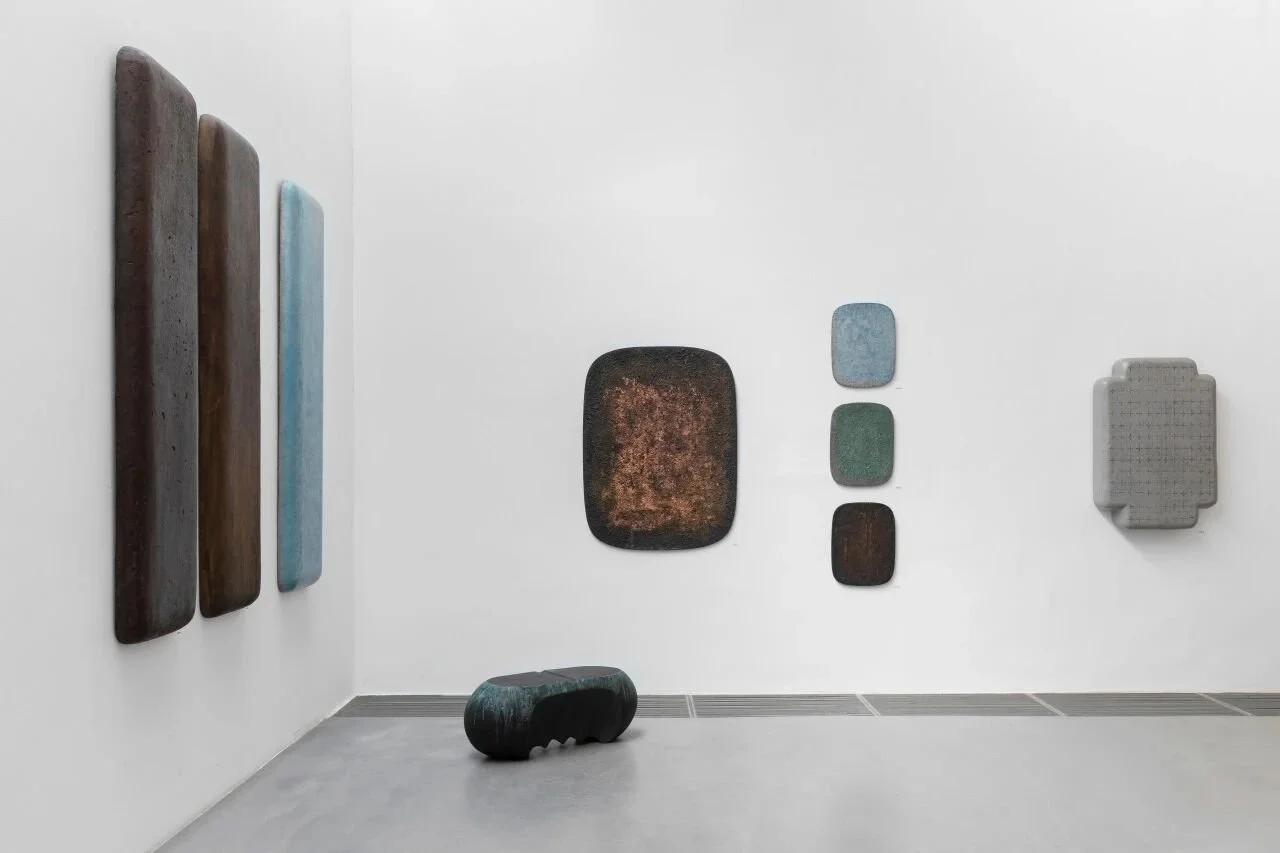
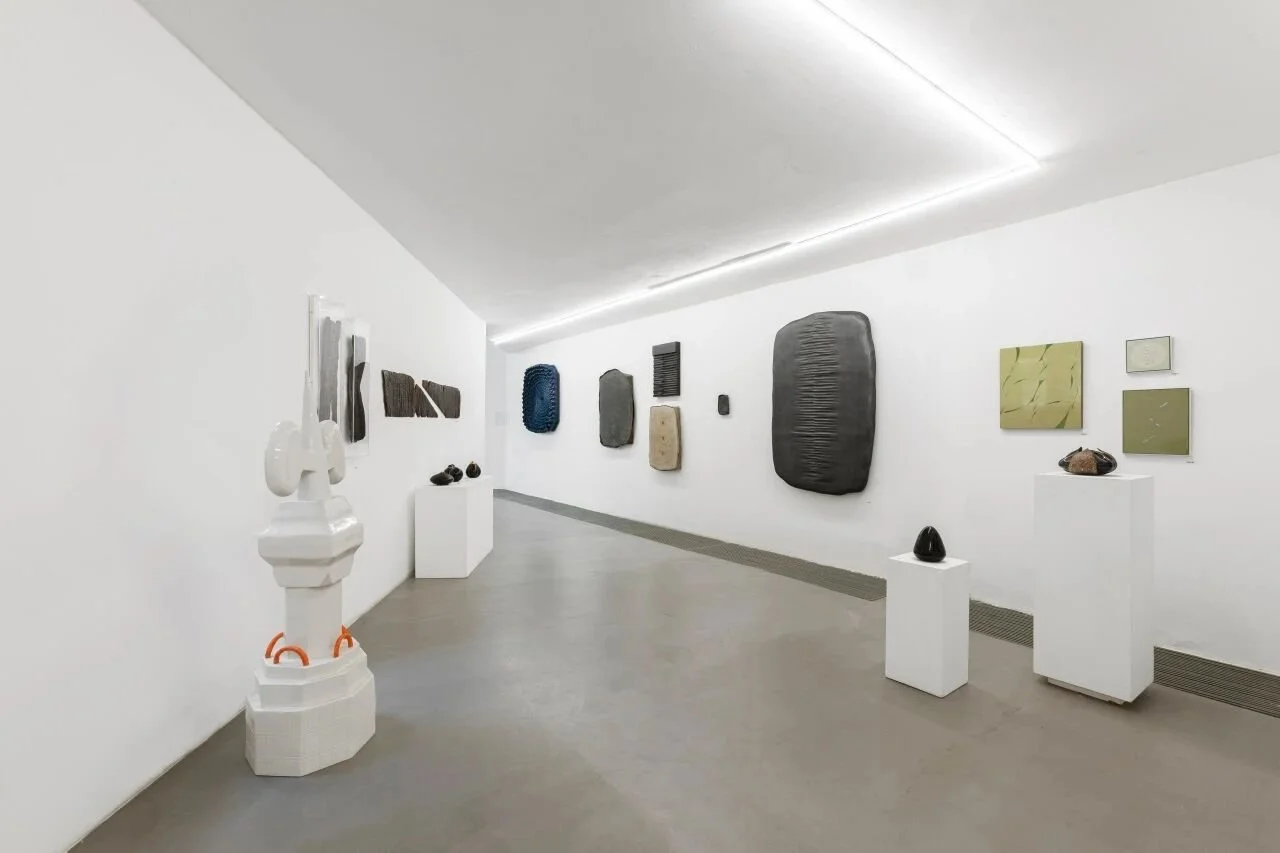
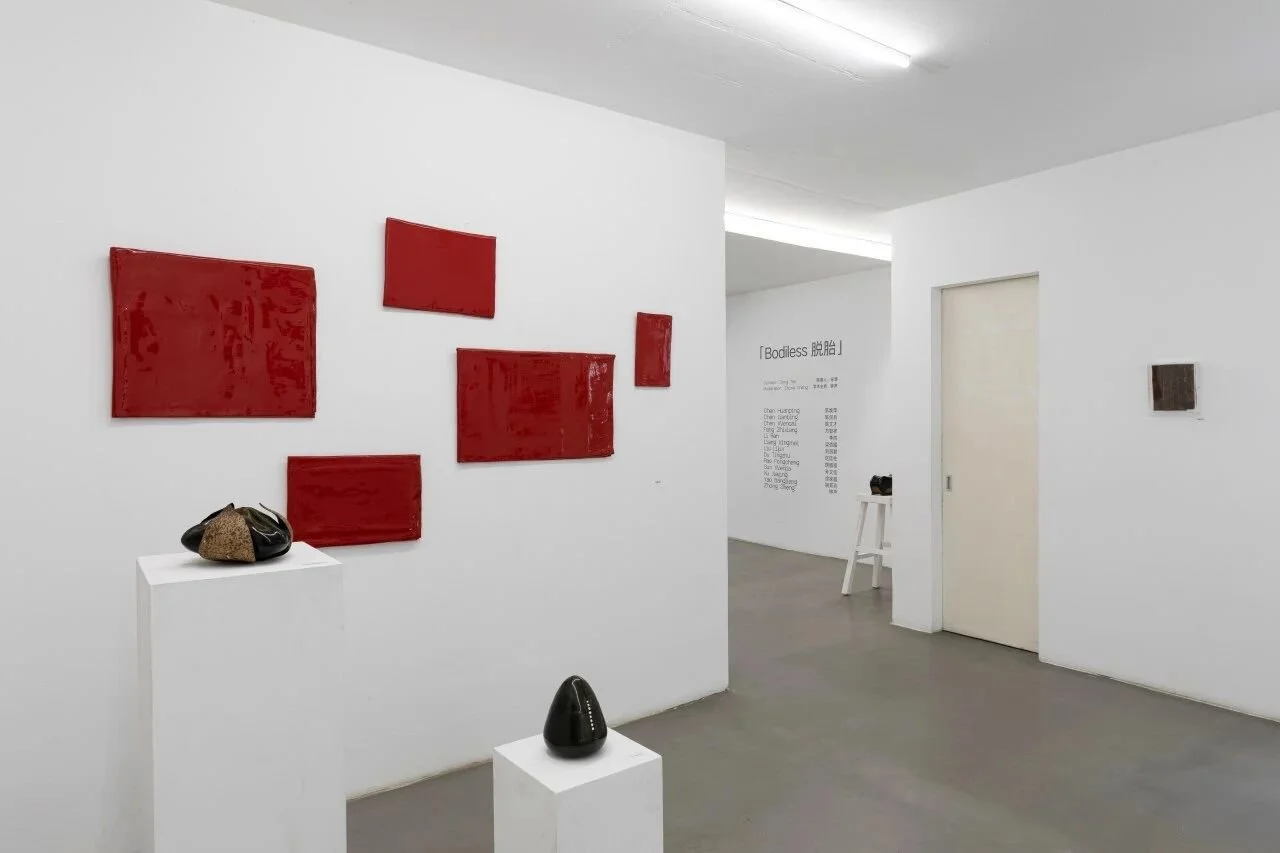
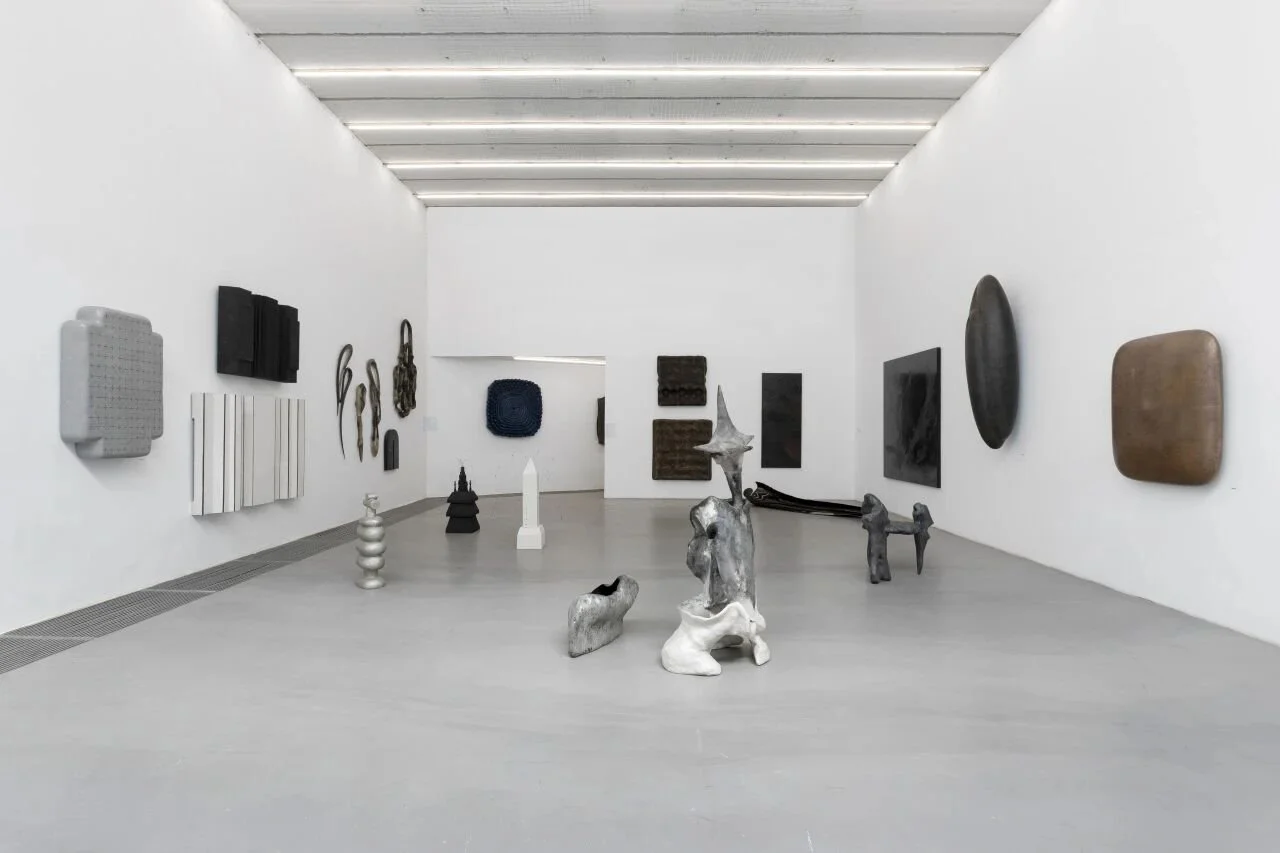
Bodiless Project:
The Nirvana of Chinese Contemporary Art and Lacquer
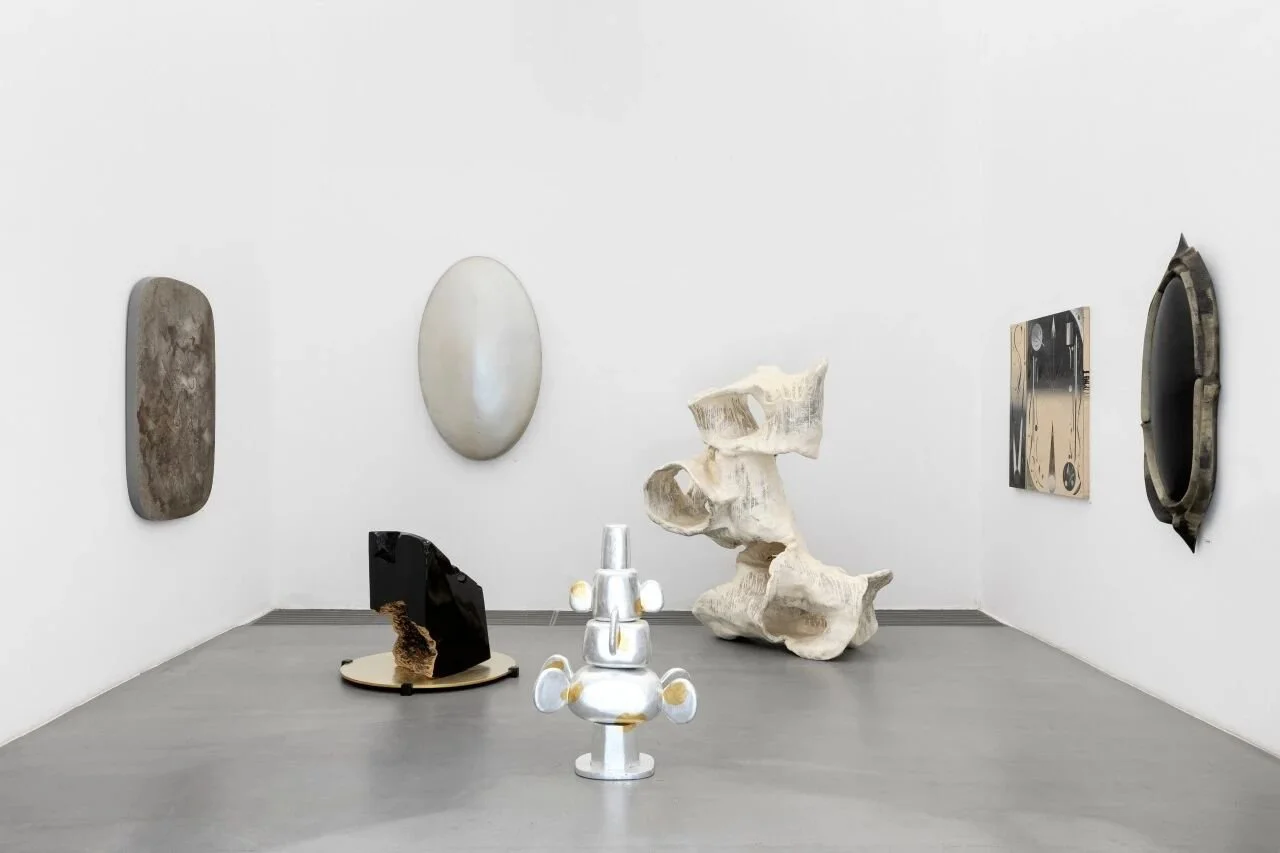
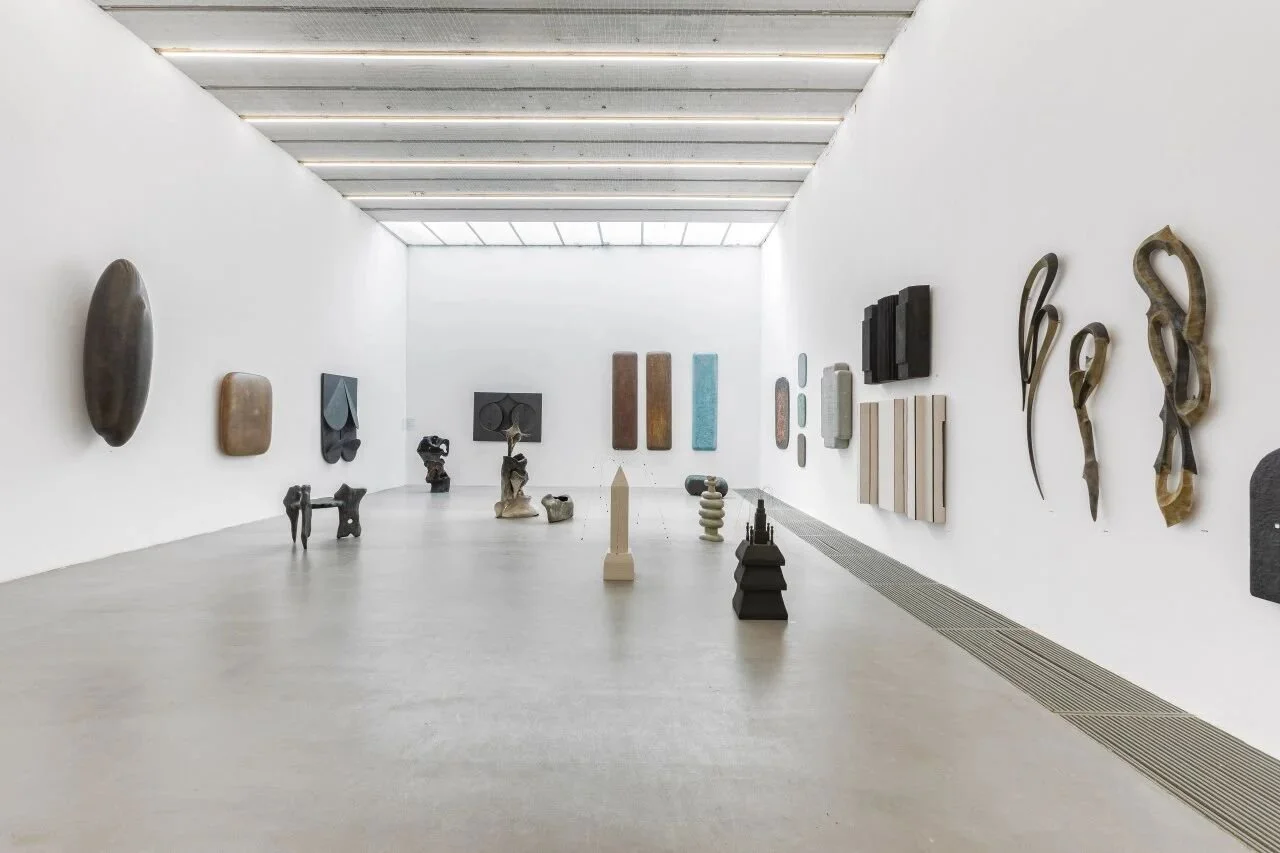
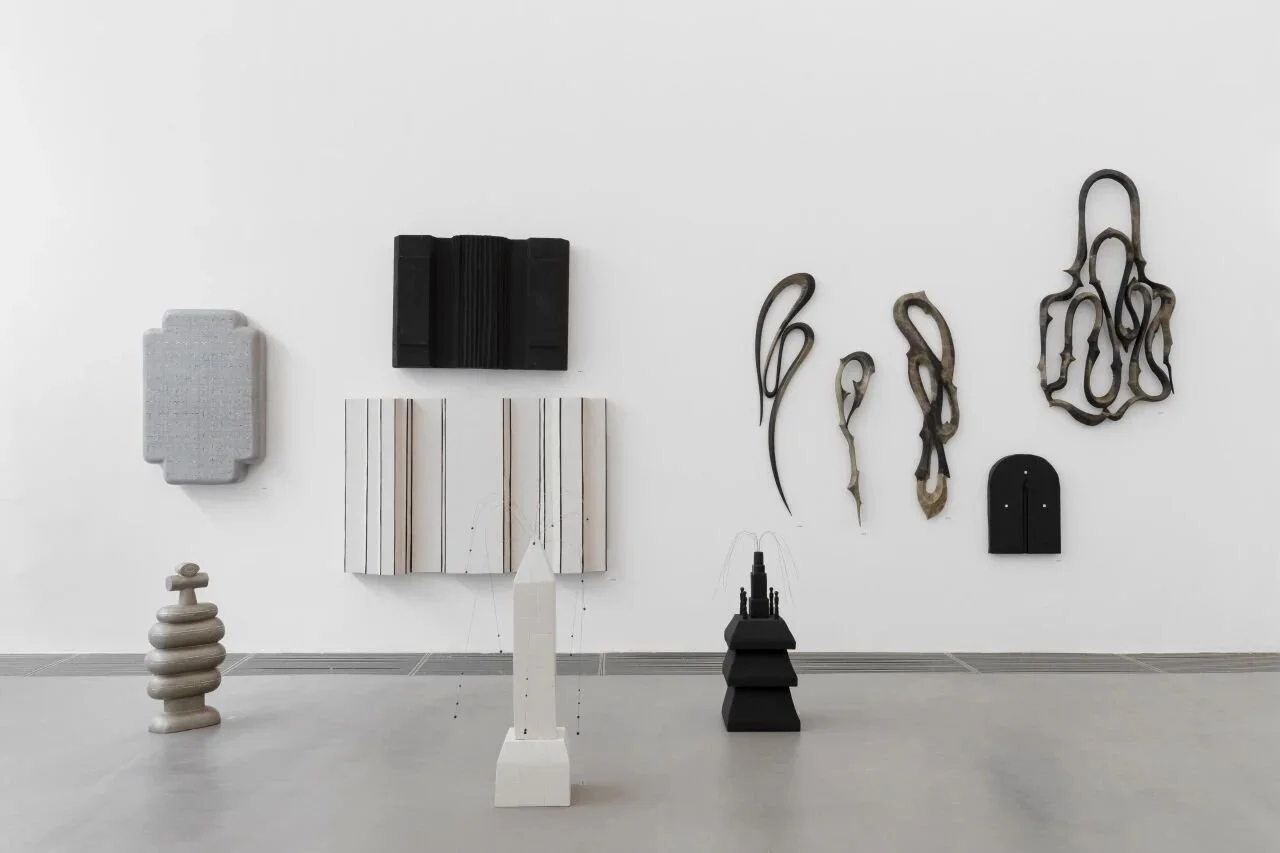
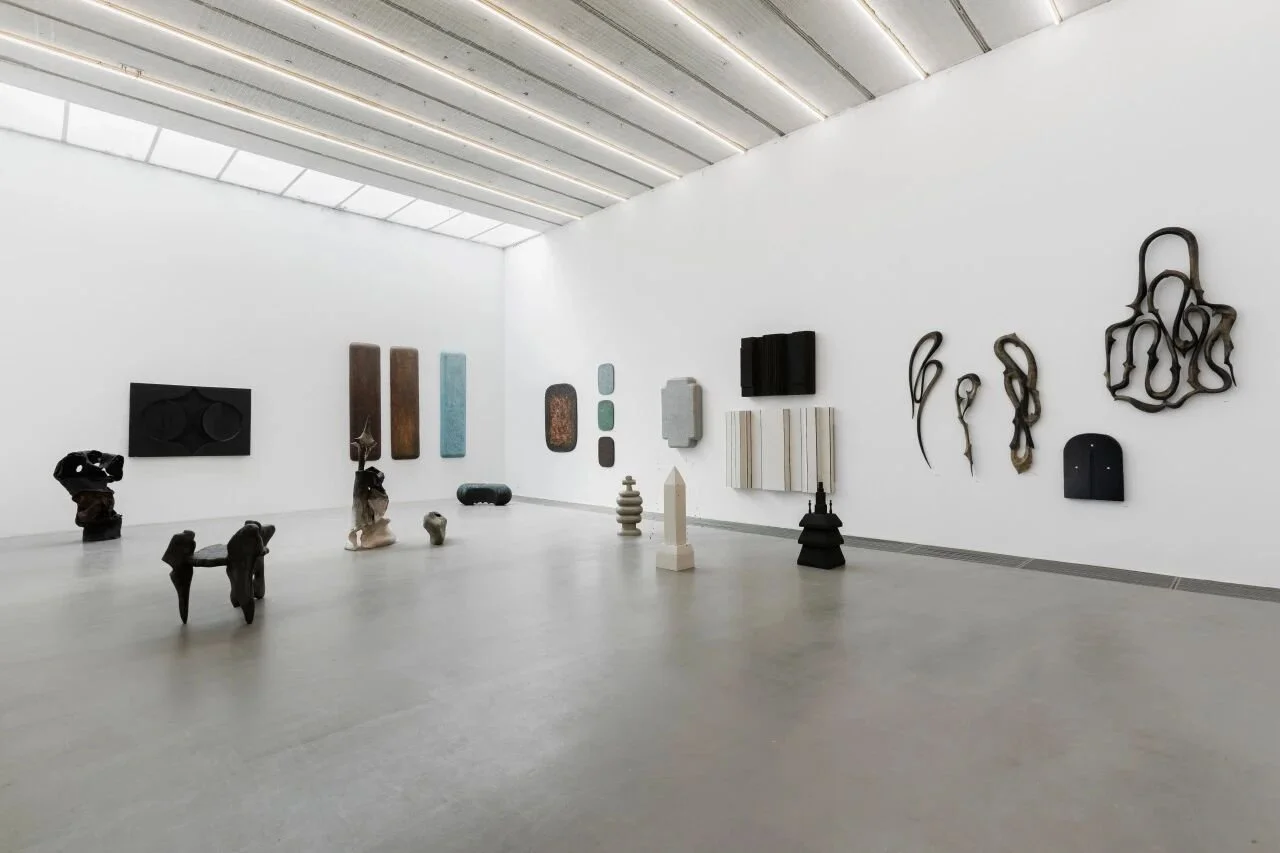
“Tuotai” (脱胎), known in lacquer craftsmanship as the bodiless technique, refers to a distinctive process in traditional lacquer making. Upon a clay or plaster core, artisans apply layer upon layer of fabric and lacquer. Once the lacquer has hardened and taken shape, the inner core is removed, leaving behind a light yet resilient lacquer shell. After repeated polishing and coating, the process ultimately produces a lacquer object that is both delicate and remarkably strong. It is a transformation from inner core to outer form—the original structure is stripped away, and a new form comes into being.This ancient craft term offers a compelling metaphor for a central question: how can Chinese contemporary art and design, within the context of globalization, free themselves from established conceptual frameworks, rediscover their traditional roots, and enter into dialogue with the world through new artistic languages?Lacquer, as a creative medium unique to China, carries both a distinct material presence and a profound cultural lineage. It is not merely a material, but also a philosophy—a philosophy of time, patience, and the mutual cultivation between human beings and nature. A new generation of Chinese artists now approaches lacquer with the courage of transformation, expanding the boundaries traditionally associated with the medium. Across painting, objects, installation, and sculpture, they explore the renewed possibilities of this ancient material.In September 2024, the first exhibition of the Bodiless Project opened during Paris Design Week and subsequently traveled to Brussels, Belgium, and Barcelona, Spain. Over the course of five exhibitions, the concentrated presentation of works created with a single material by five artists generated significant international attention. This was not only an exploration of artistic innovation through material, but also an important practice through which Chinese contemporary art seeks its own position and mode of expression within the global cultural landscape.Zhong Sheng has worked with lacquer for more than thirty years. After spending five and a half years in Korea studying the craft of mother-of-pearl inlay, he returned to China and devoted many years to restoration work and the creation of lacquer objects. In 2020, he turned toward contemporary artistic practice—an evolution made possible by three decades of accumulated experience. In his works, lacquer, tile ash, hemp cloth, metal powder, mother-of-pearl, and turquoise intertwine and coexist, breaking the traditional boundaries of lacquer art while generating distinctive textures and subtle plays of light and shadow.Sun Wenjia regards lacquer as “a material of time that can never be fully domesticated.” His Material Evolution series explores the intrinsic language of lacquer itself, preserving individual consciousness in the form of time capsules. In his 2020 performance work Material Evolution M02, an object drifted along the Min River for forty-five days, traveling 577 kilometers. Invisible time acquired a tangible trajectory, while the stories of people living along the riverbanks were unexpectedly recorded.Liu Lijun’s Suspension series integrates the visual language of Western sculpture and installation. Through flowing curves, she evokes the human body, garden rock formations, and traces of industrial memory. By turning the inner “skeleton” outward, she creates a shifting relationship between interior and exterior—a dialectical structure that resonates with shared experiences of life.Ou Tingzhu takes the “tower” as his central motif, exploring the universal human impulse to project reverence and power onto objects. By stripping away the utilitarian function of traditional ramie-reinforced lacquerware, he creates independent lacquer sculptures through gestures of cutting and the imagery of dust, allowing art to quietly return to everyday environments.Yao Bangliang is fascinated by the luster and plasticity of lacquer. His Skin series returns to the essence of the material, exploring spatial expression through color, gloss, and form. The works subtly reveal the presence of objects within space, capturing the quiet moment of exchange between object and viewer.In 2026, the second edition of the Bodiless Project arrives as scheduled. Building upon the five artists of the first edition, eight new explorers now join this journey.Chen Wencai’s works unfold through careful carving and measured restraint, quietly infusing a gentle poetic sensibility. Fang Zhixiang moves from observational sketches of everyday objects toward abstraction. Once objects lose their practical function, what remains are relationships of point, line, plane, and color. Rao Pengcheng departs from the dense and solemn tradition of lacquer painting, presenting instead a warm and refined Eastern minimalism distinct from the hard-edged industrial aesthetics of the West.Xu Jiaying has spent more than a decade restoring ancient artworks. By combining traditional elements with contemporary contexts, he articulates reflections on Eastern philosophy and the experience of life. Chen Jianbing’s talisman series presents abstract expression through calligraphic gestures, where lines flow with continuity, rhythm, and vitality. Chen Huanping’s works point toward a “realm of stillness”—not the absence of sound, but a state that contains an inner force of expression.Liang Xingmei draws inspiration from the moment of plant germination, allowing the luster of lacquer to resonate with the vitality of nature. Li Ran approaches objects through the process of gewu—the investigation of things—seeking to uncover deeper meanings and to pursue a harmony between inner and outer, object and self.Thirteen artists, thirteen ways of engaging in dialogue with lacquer. Though they share the same material, each pursues a distinct creative direction, unique technical explorations, and newly developed languages of expression. Their works remind us that tradition is not a static inheritance, but an energy that can be continuously reactivated; that materials are not passive mediums, but living partners in dialogue; and that Chinese contemporary art is not a follower of Western trends, but an independent narrative with its own lineage.After the shedding of the core, what remains is not an empty shell, but new life.Perhaps this is precisely what this moment calls for: amid the tensions between globalization and locality, and between tradition and the contemporary, to discover an artistic path that belongs both to China and to our time.Artworks
Chen Huanping | 陈焕萍
Chen Huanping (b. 1994) is an artist dedicated to capturing the "micro-stimuli" of existence. Her practice reconstructs fragmented, instantaneous impressions and subliminal perceptions into visual narratives steeped in private emotion. Her canvases often manifest as a psychological tug-of-war between conscious composition and subconscious intuition. By navigating the boundary between physical objects and mental imagery, Chen explores the ineffable yet profound logic and sentiment hidden within the "in-between" spaces of daily life.
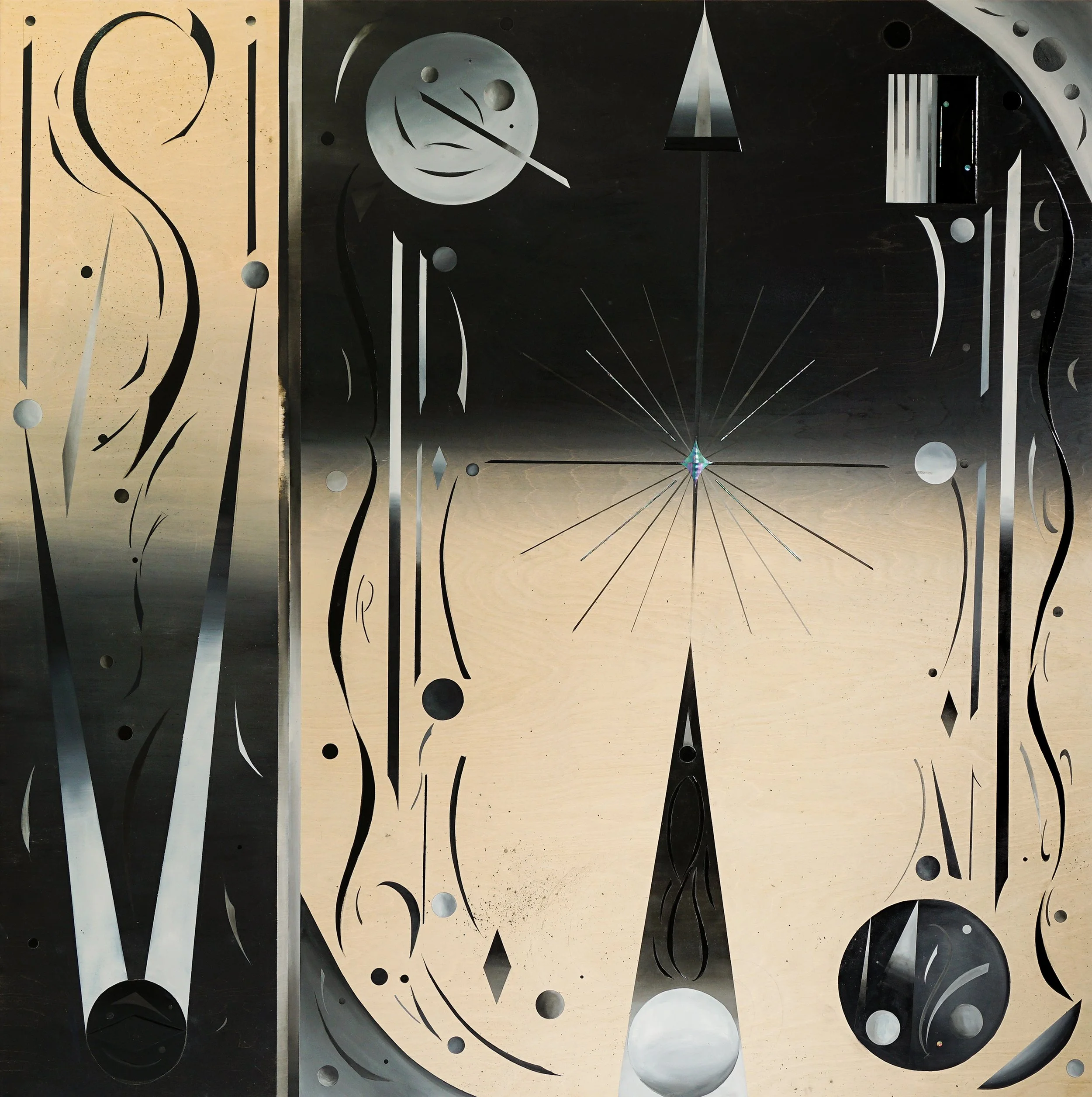
循环-1 | Circulation-1
2024
Lacquer, Raden, Tile ash, Wood panel
120 x 120 cm
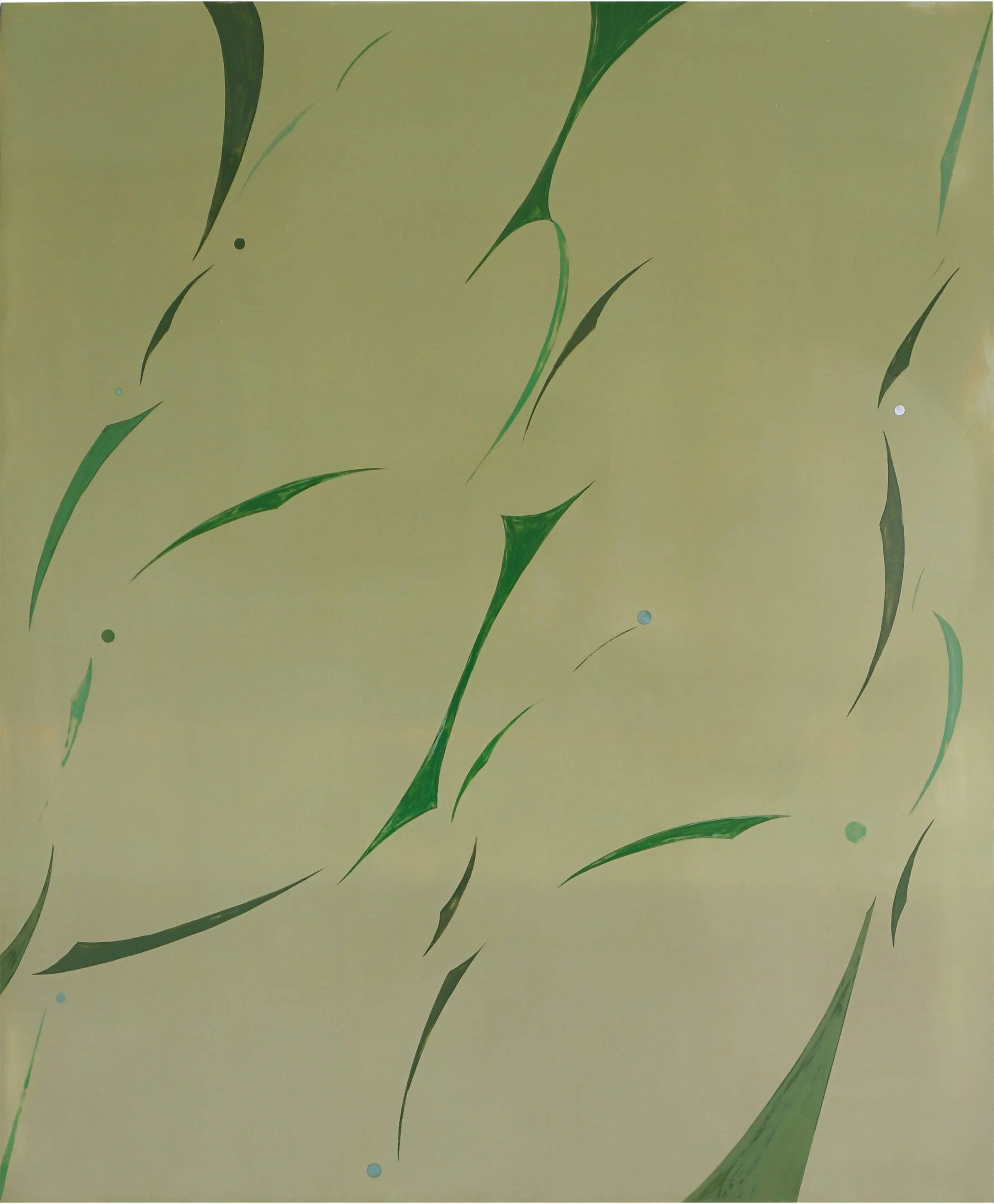
静听松风-5 | Listening quietly to soughing pines-5
2025
Lacquer, Raden, Wood panel
60 x 50 cm
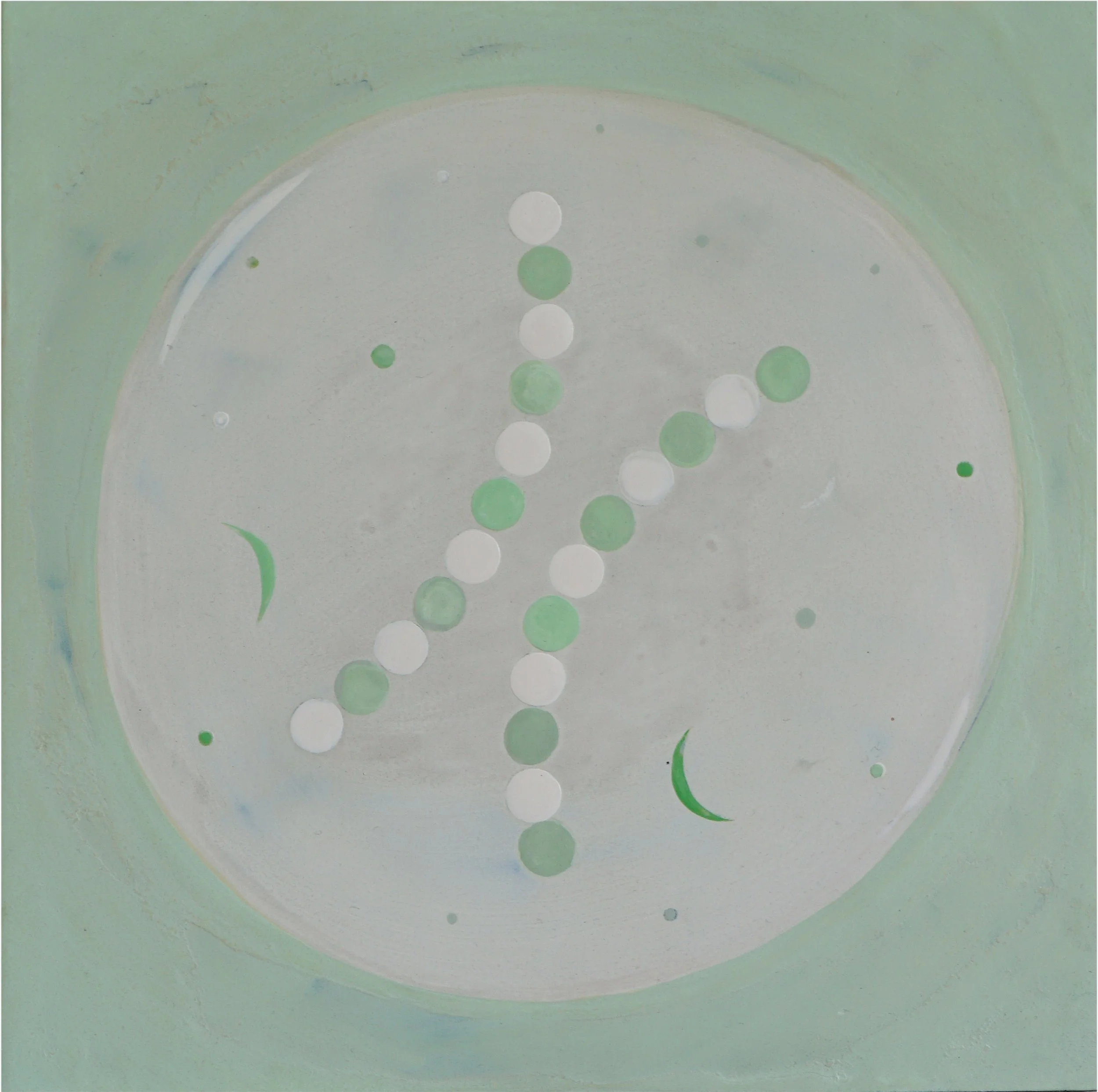
泪珠-1 | Lunar Tears-1
2025
Lacquer, Raden, Wood panel
20 x 20 cm
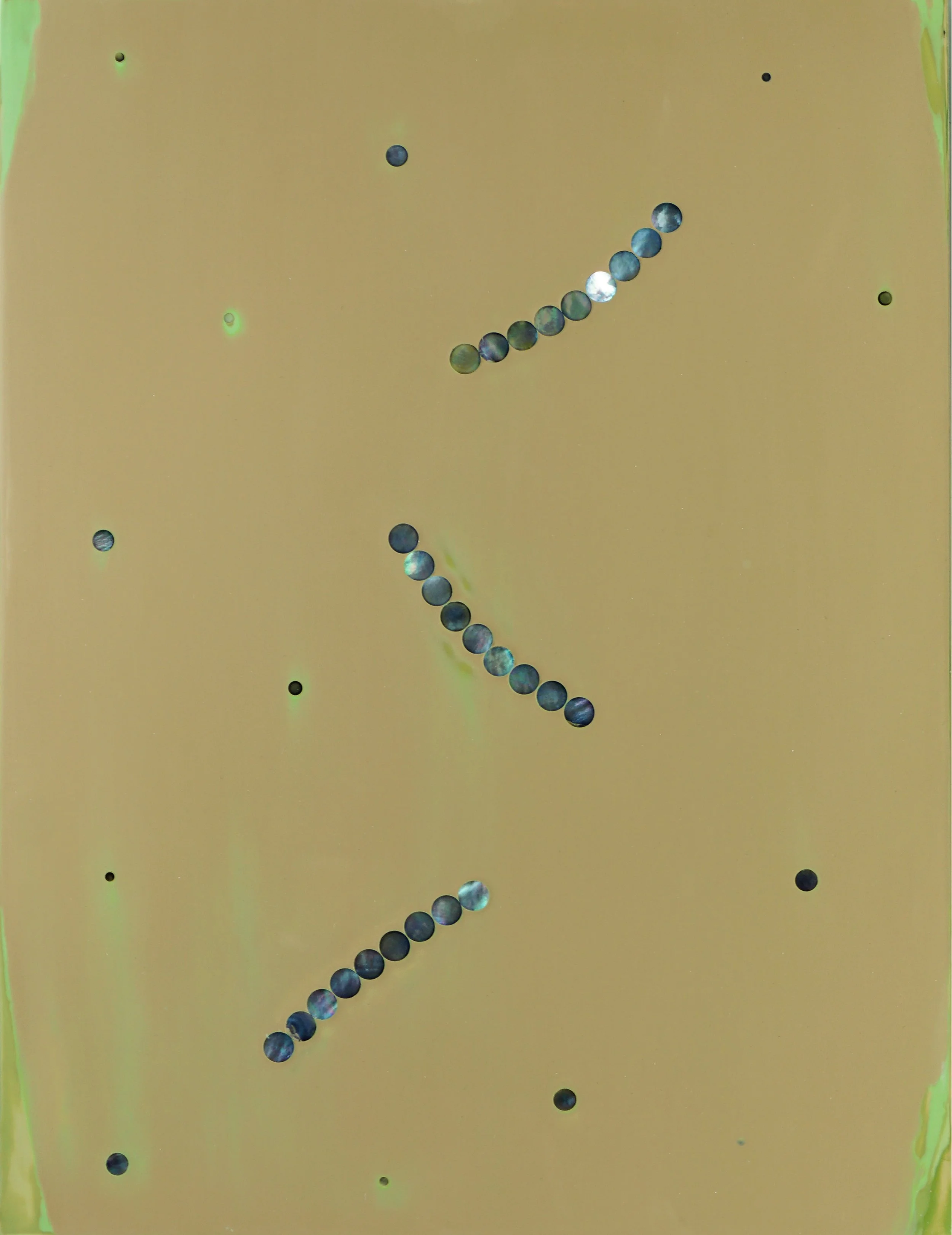
泪珠-2 | Lunar Tears-2
2025
Lacquer, Raden, Wood panel
40 x 30 cm
Chen Jianbing | 陈剑兵
Chen Jianbing (b. 1987) creates at the intersection of personal experience and the primordial symbols of civilization. Utilizing lacquer as his primary medium, he deconstructs the strokes, spirit, and structural logic of Chinese characters to construct a "talismanic" (Fulu) schema that fluctuates between calligraphy and abstract expressionism. His work seeks to capture the mystical spiritual forces hidden at the source of civilization, compressing complex social information and life memories into a two-dimensional visual grid. For Chen, artistic creation is an experiment in "recording" and "restoration," navigating the spiritual coordinates of individual existence within contemporary reality through the rhythmic layering of lacquer.
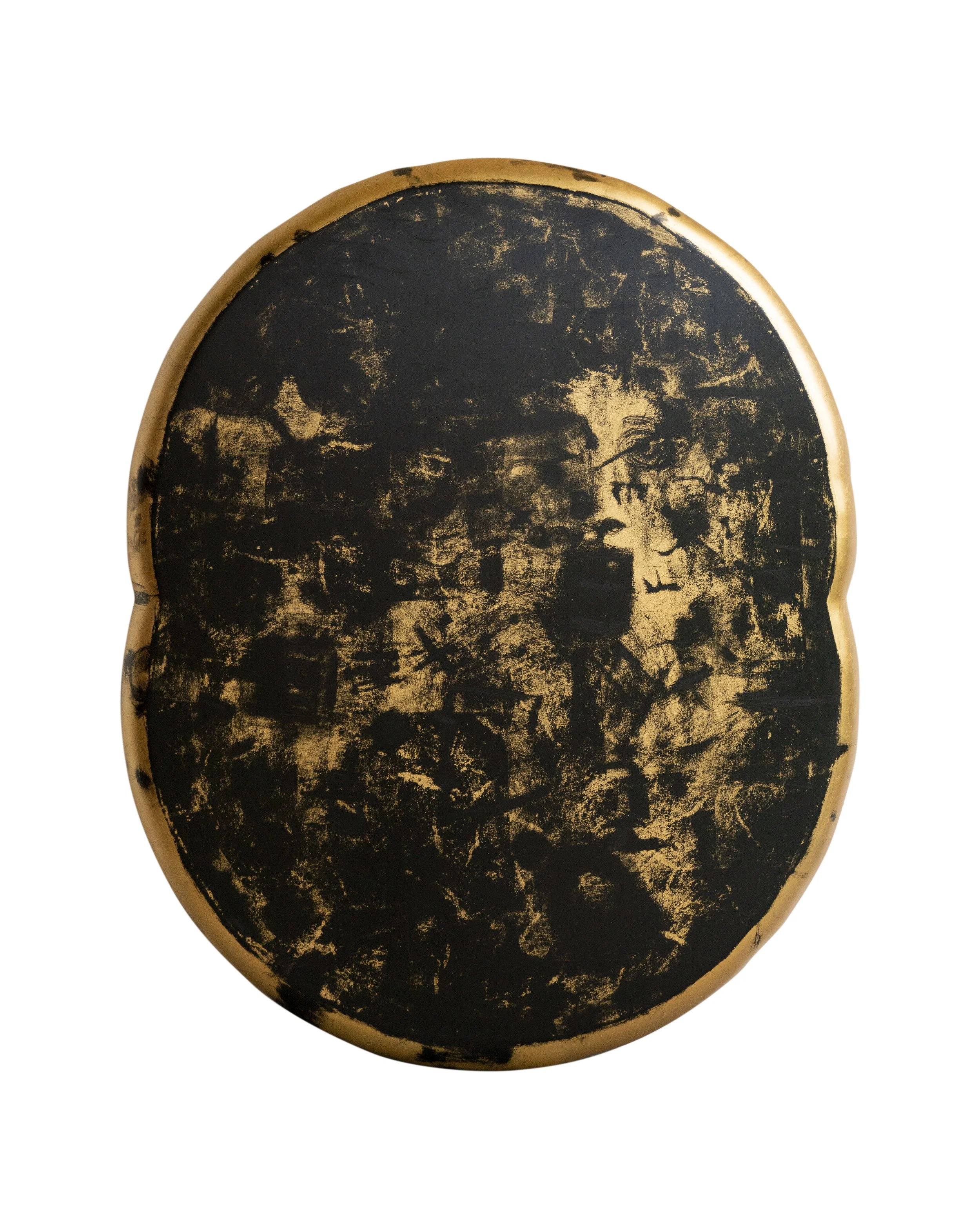
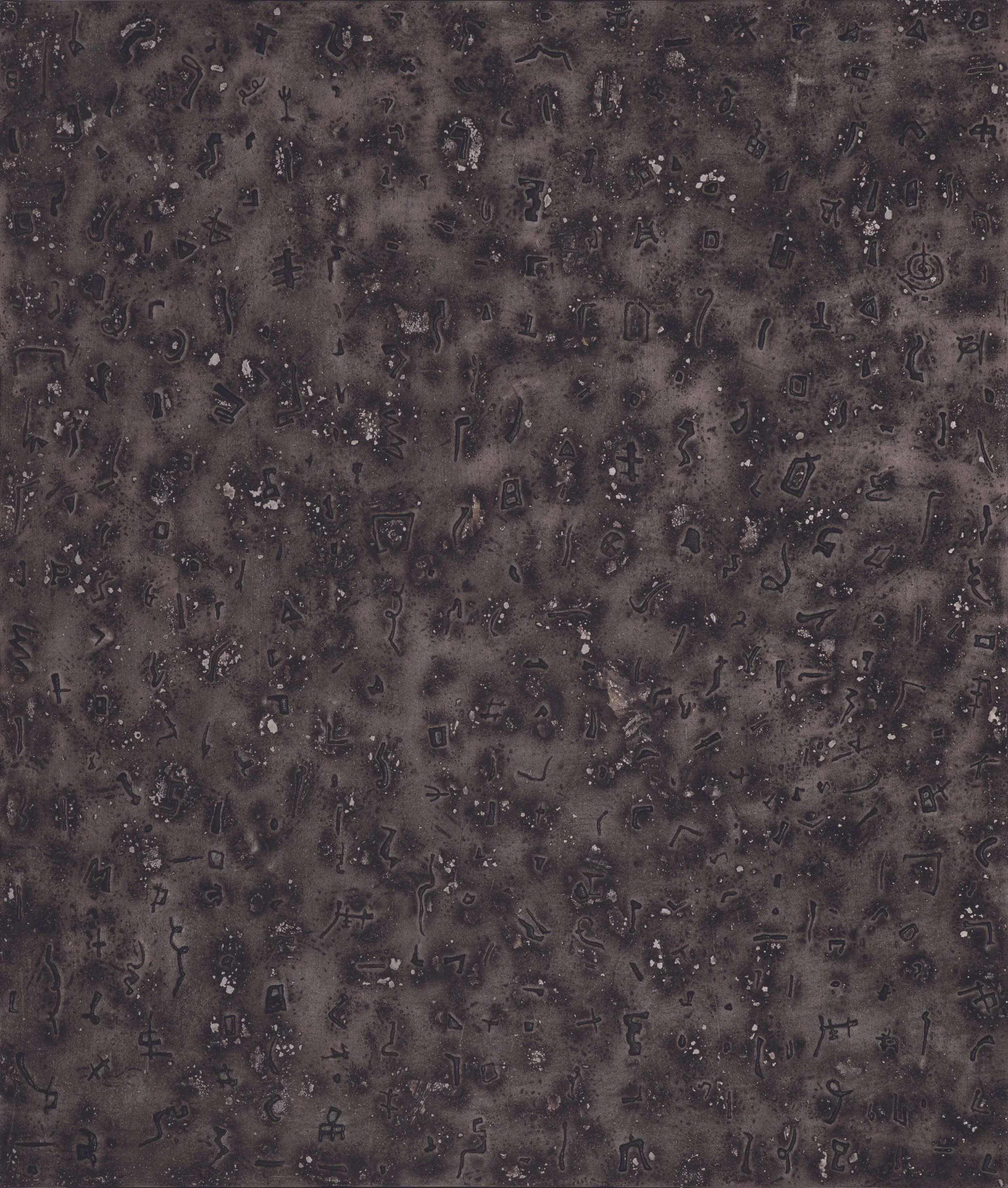
衍 | Evolution
2025
Lacquer, Tile ash, Gold leaf
100 x 80 x 6 cm
旁白 | Narrator
2025
Lacquer, Tile ash, Gold leaf
100 x 80 x 6 cm
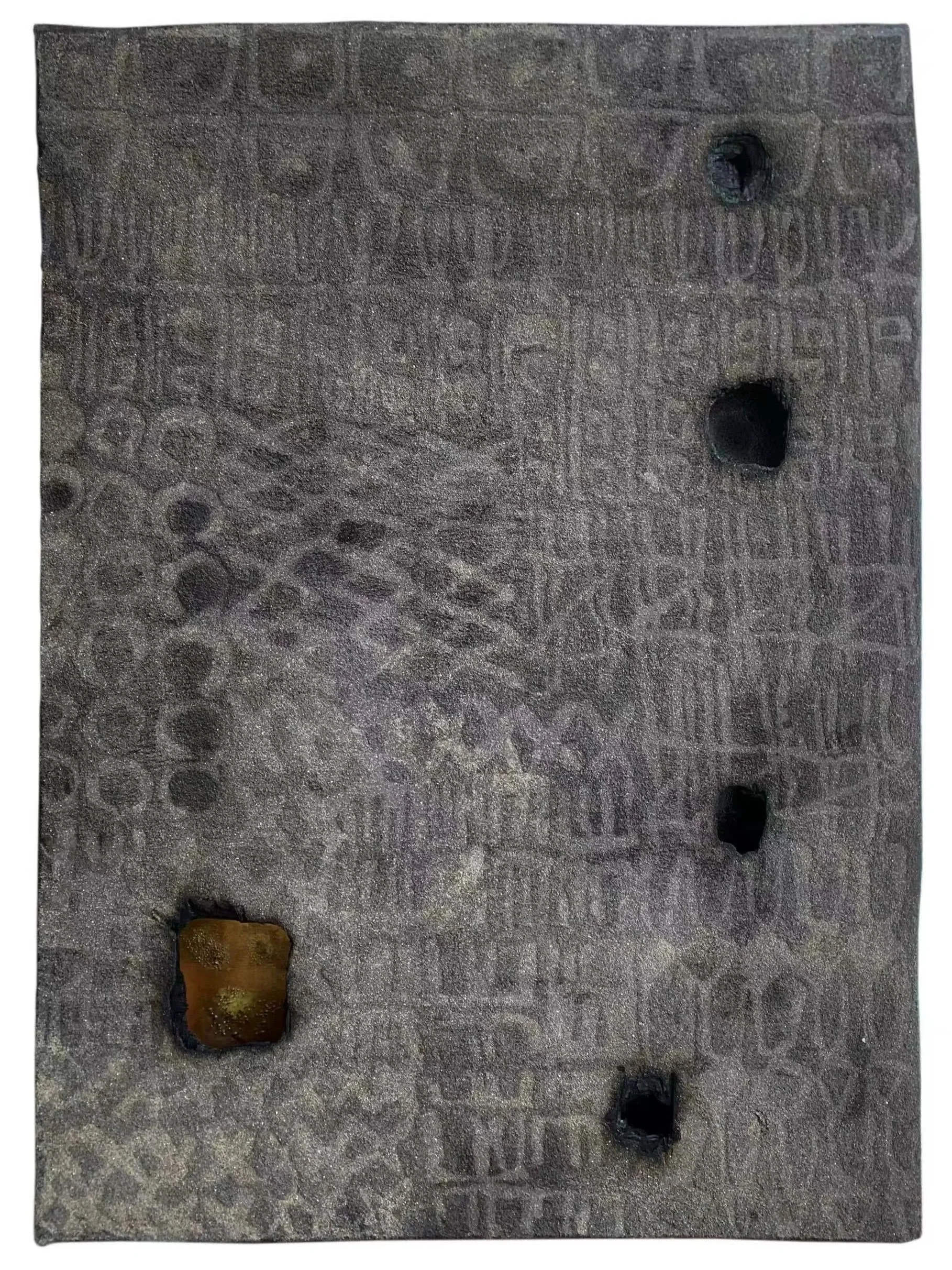
失控的仪式 | The Runaway Ritual
2025
Lacquer, Tile ash, Gold Powder
100 x 80 x 8 cm
Chen Wencai | 陈文才
Chen Wencai (b. 1988) is a sculptor whose practice centers on material experimentation and conceptual inquiry. His work consistently explores the intricate relationships between the individual, the natural environment, and social collectives. Characterized by a documentary-like quality and literary lyricism, Chen’s sculptures utilize form and context to voice a tireless pursuit of spiritual freedom and intellectual independence.
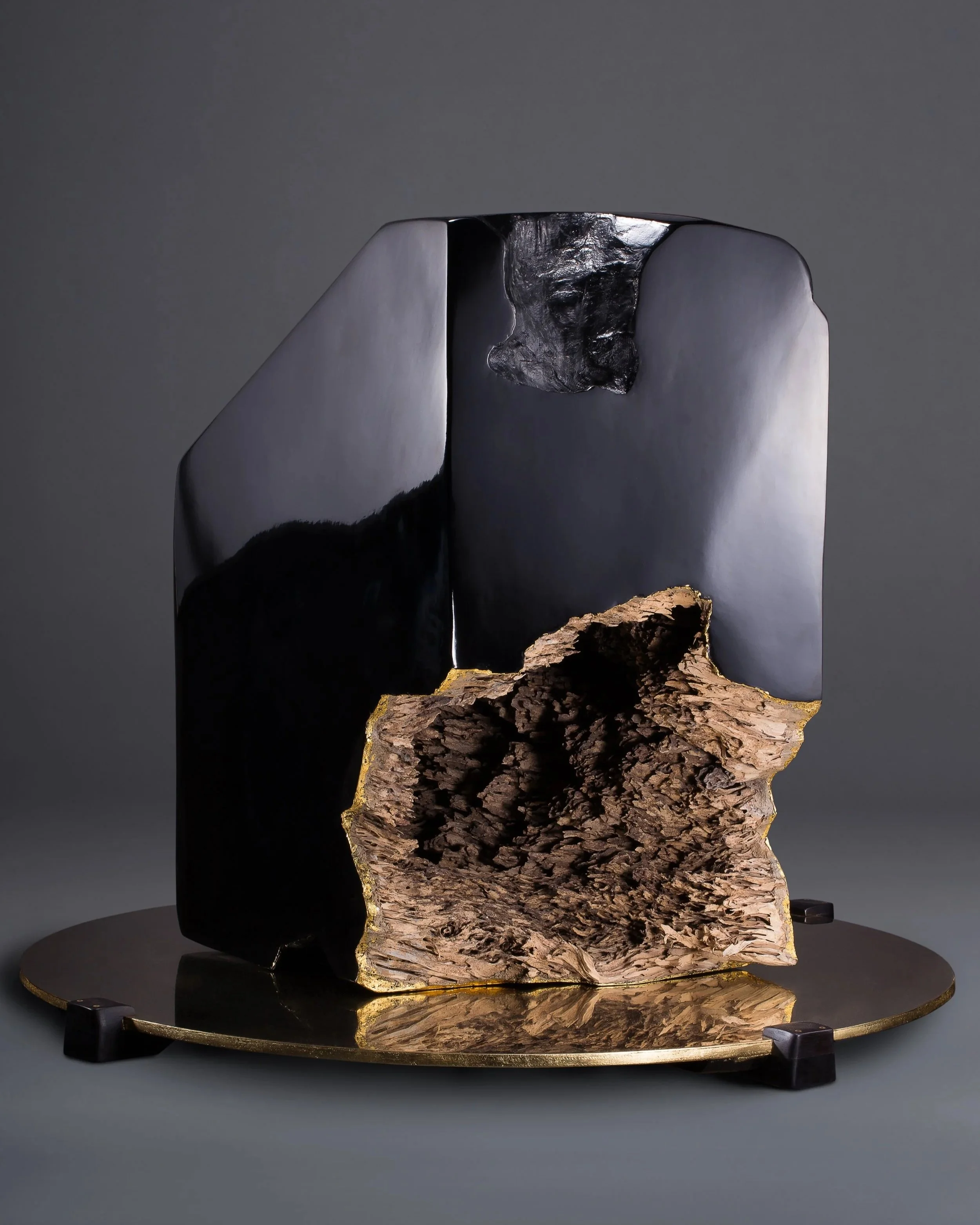
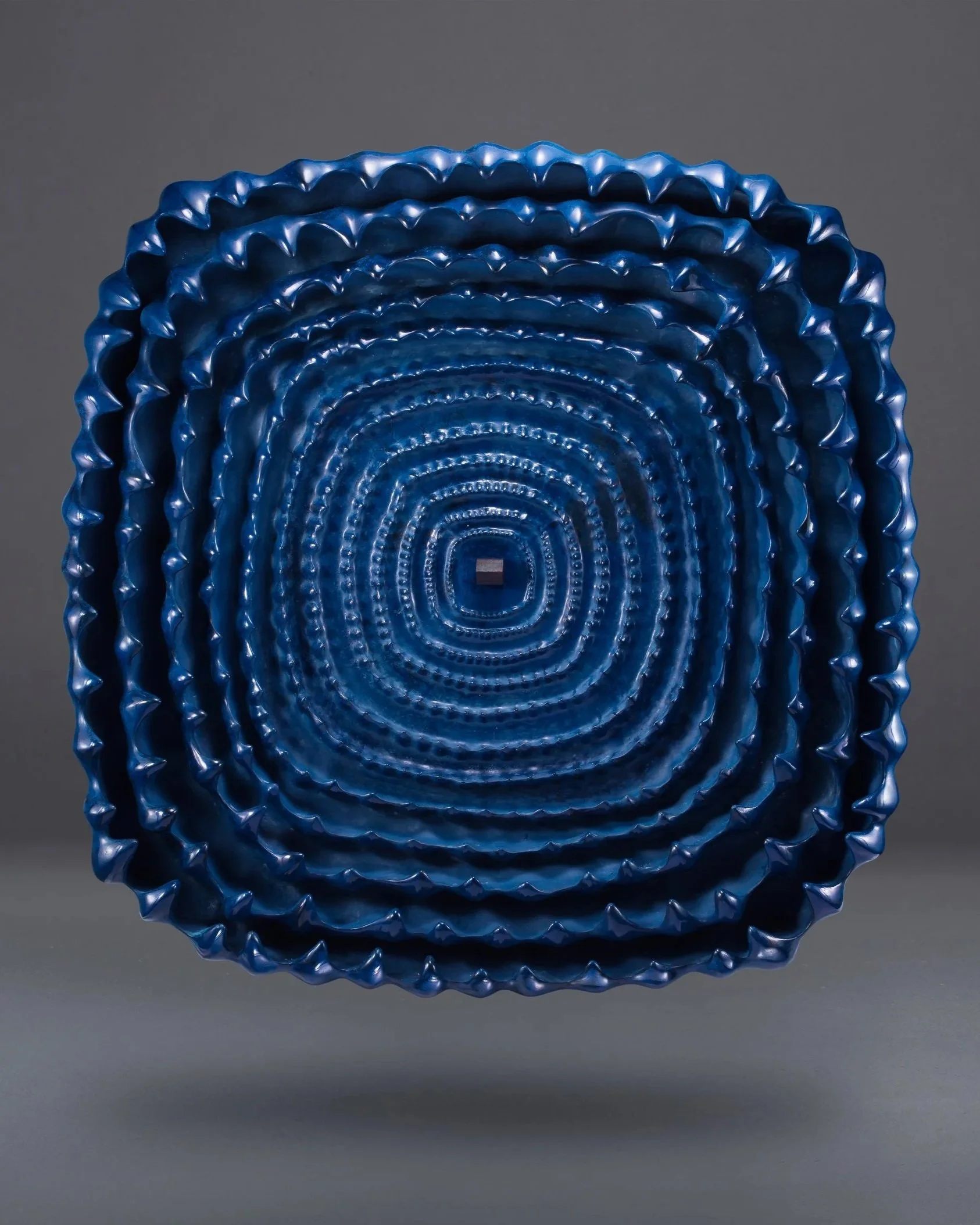
空相 | Form of Emptiness
2018
Wood, Brass, Lacquer, Tile ash, Hemp cloth, Gold leaf
106 x 106 x 86 cm
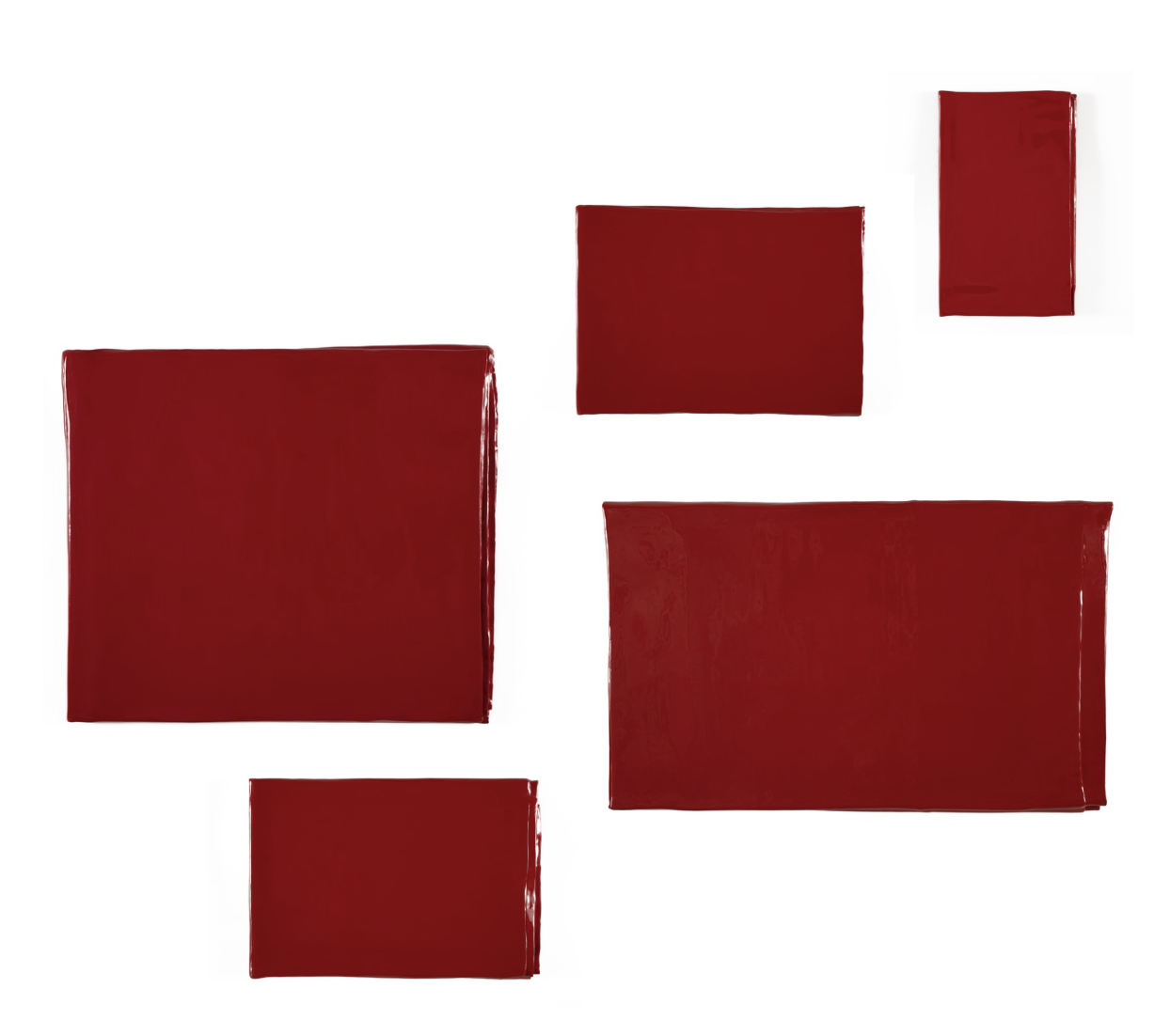
红衣之二 | 2/Red
2020
Flag fabric, Tile ash, Lacquer
50 x 35 x 3.5 cm; 18 x 48 x 4 cm; 48 x 36 x 5 cm; 63 x 55 x 5 cm; 36 x 22 x 3 cm
追寻之三故风 |
2018
Lacquer, Tile ash, Hemp cloth, Paper pulp, Wood, Iron
130 x 130 x 19 cm
Fang Zhixiang (b. 1992) utilizes lacquer as a primary medium across painting, sculpture, and installation. Using daily life and personal memory as guiding threads, his practice extracts and abstracts regional cultural markers. Fang’s work emphasizes the intuitive tactile qualities of materials while exploring the latent social structures inherent in objects, ultimately revealing the interplay between individuals, their material world, and their environment.
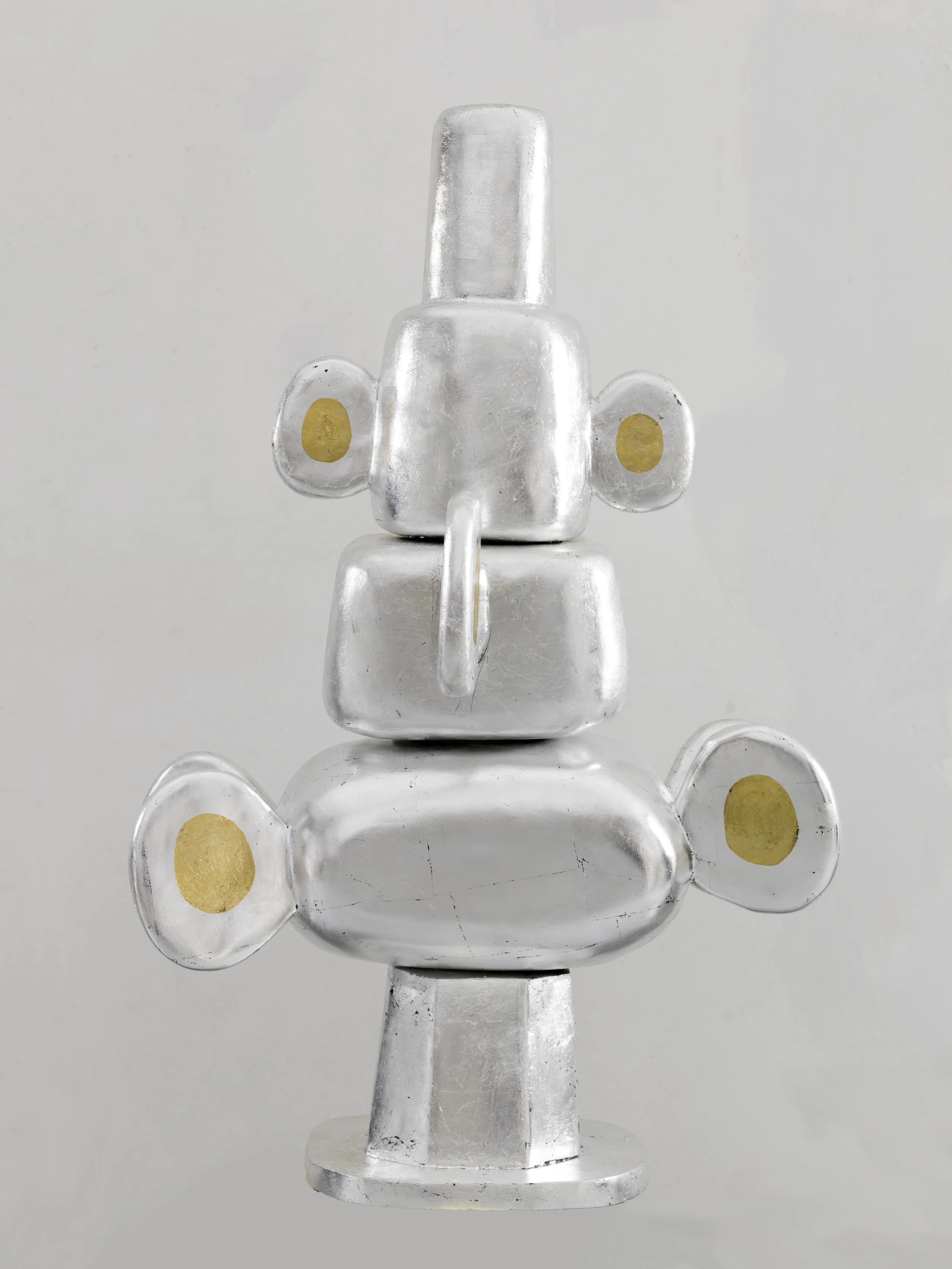
火炉-2 | Fireplace -2
2025
Ramie, Lacquer, Aluminum Foil, Copper foil
102 x 68 x 45 cm
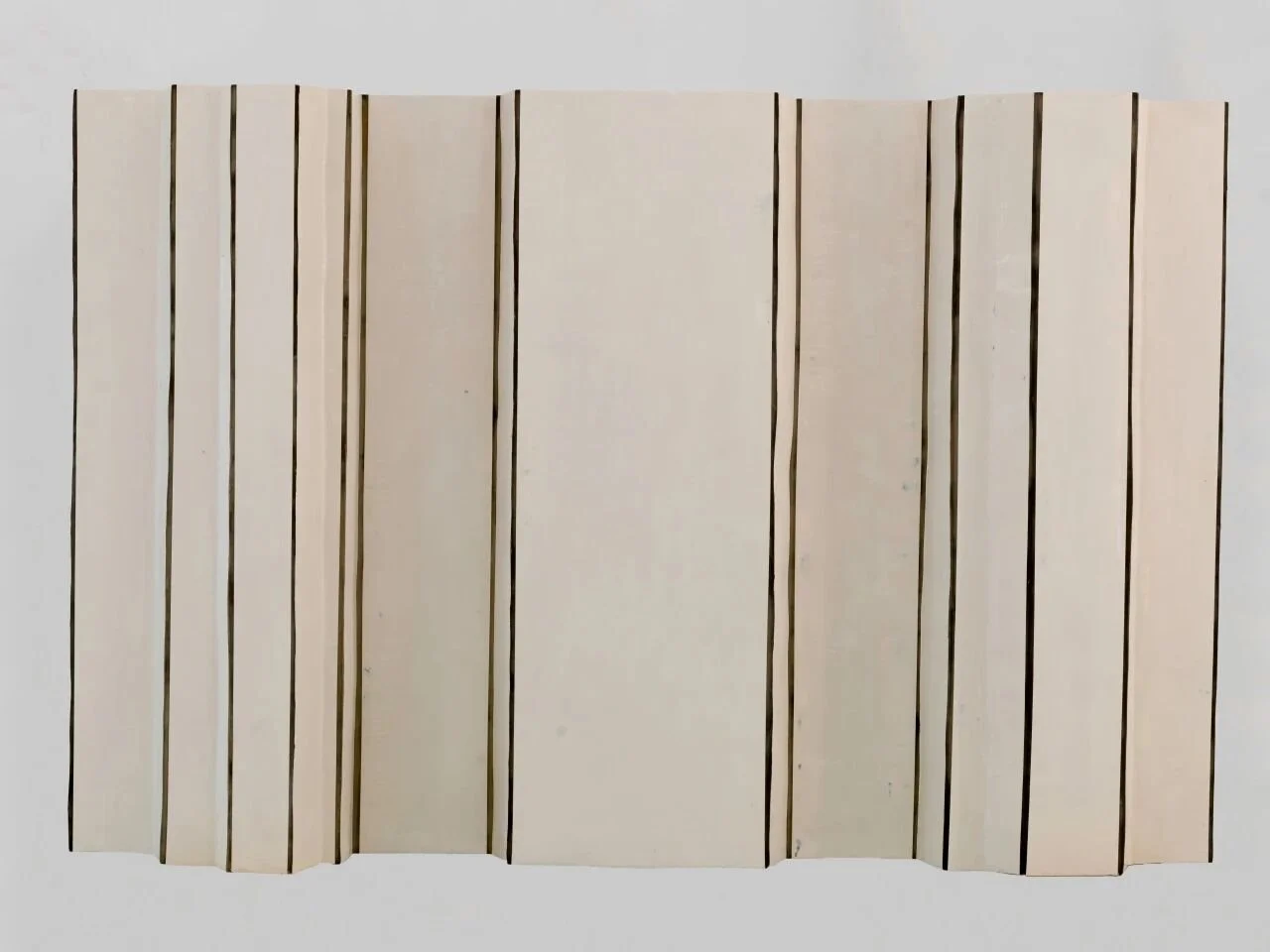
熟悉的风景 - 1 | Familiar Landscape - 1
2025
Ramie, Lacquer
180 x 120 x 20 cm
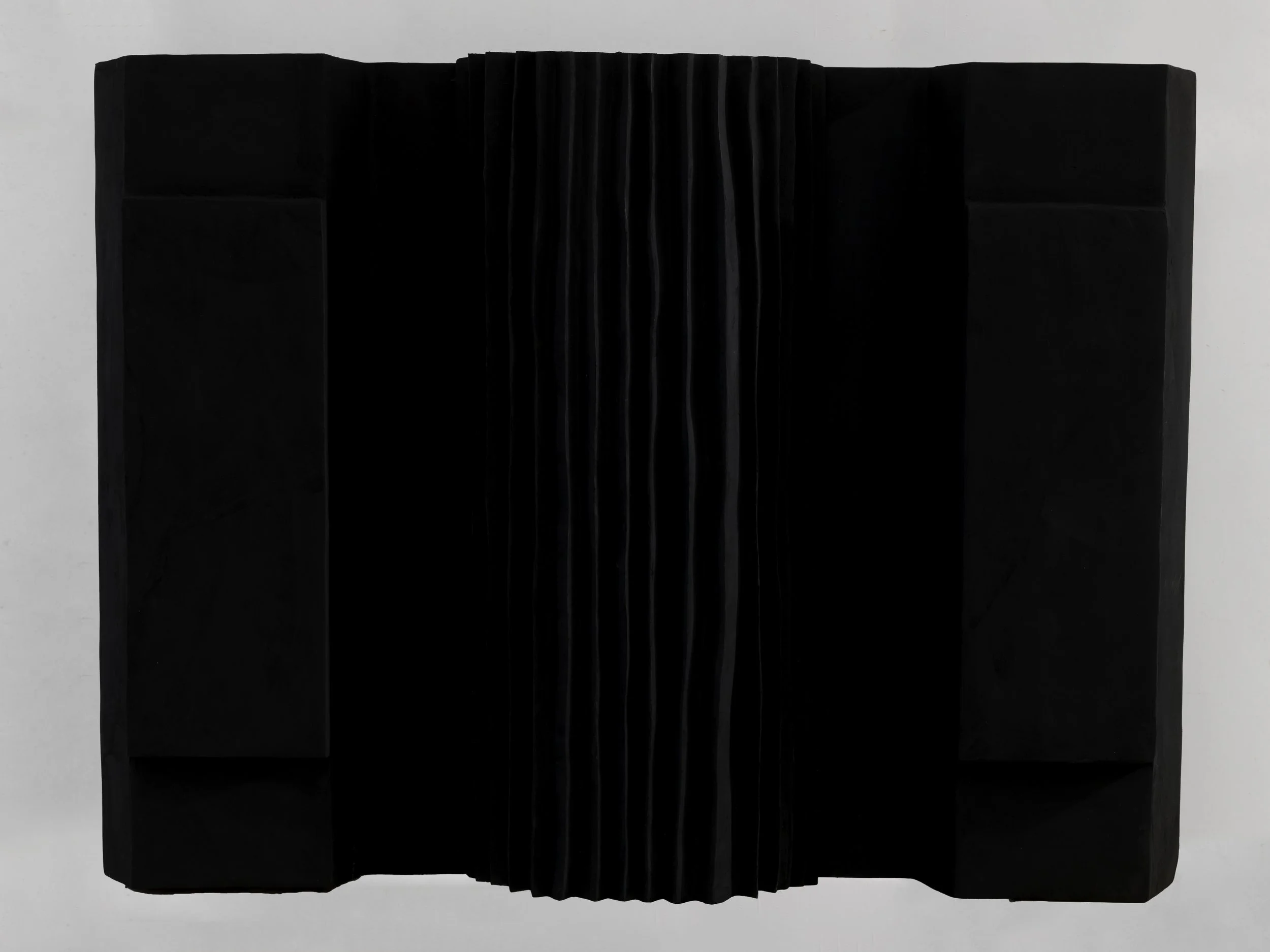
熟悉的风景 - 7 | Familiar Landscape - 7
2025
Ramie, Lacquer, Carbon Dust
120 x 91 x 20 cm
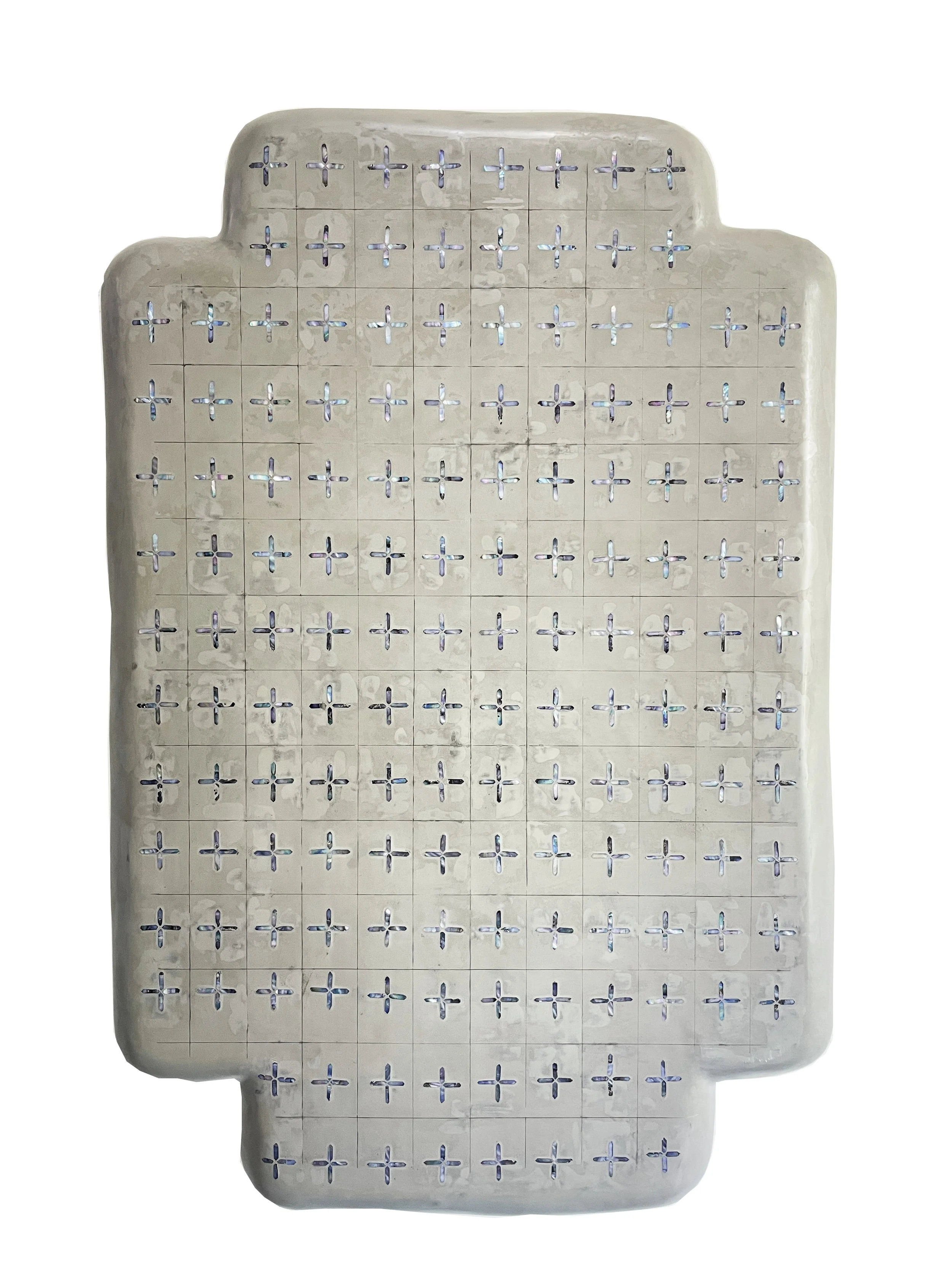
熟悉的风景 - 8 | Familiar Landscape - 8
2025
Ramie, Lacquer, Raden
120 x 80 x 20 cm
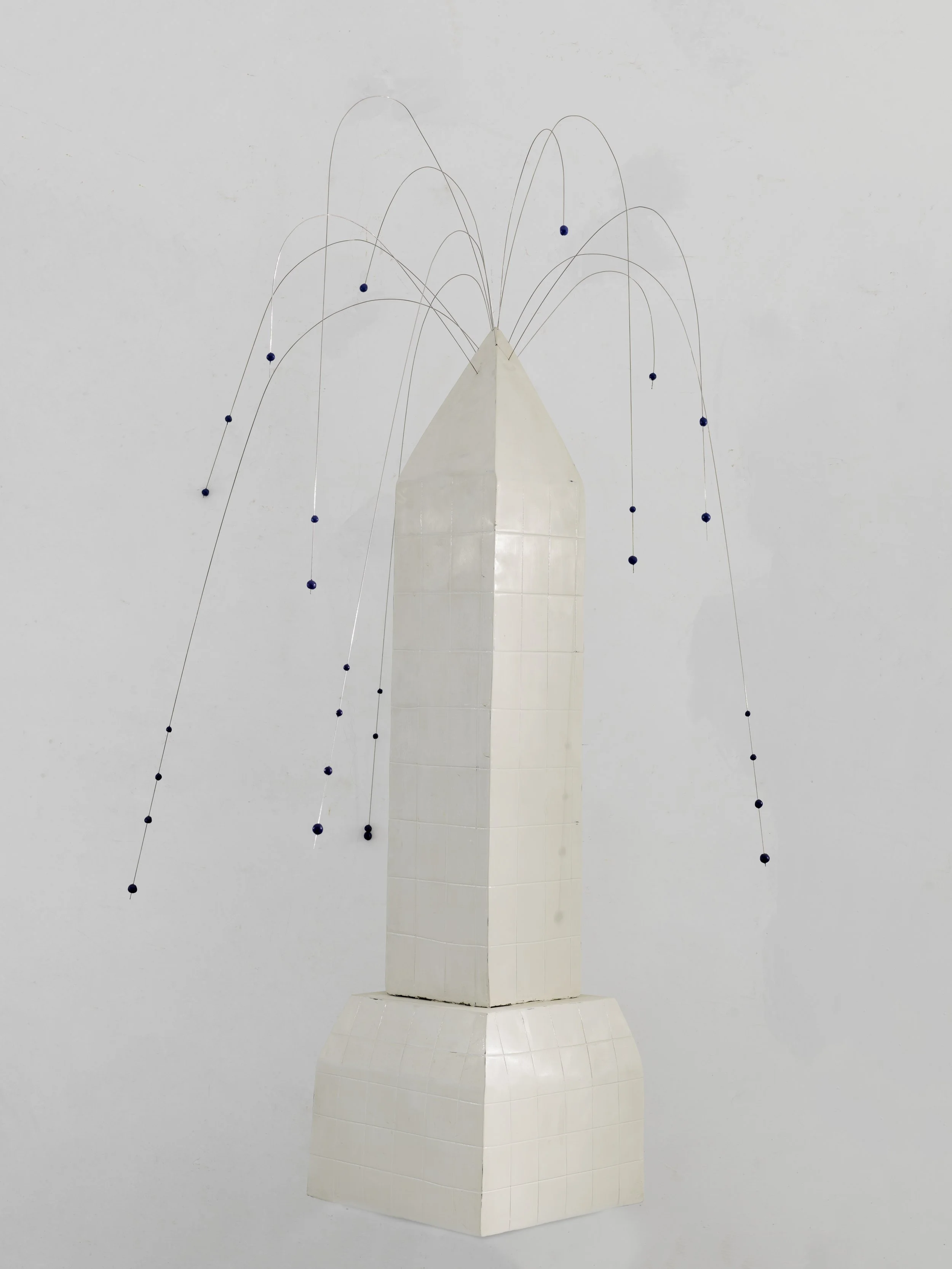
无意义的记录-2 | Meaningless Record -2
2024
Ramie, Lacquer, Clay, Steel Wire
140 x 80 x 60 cm
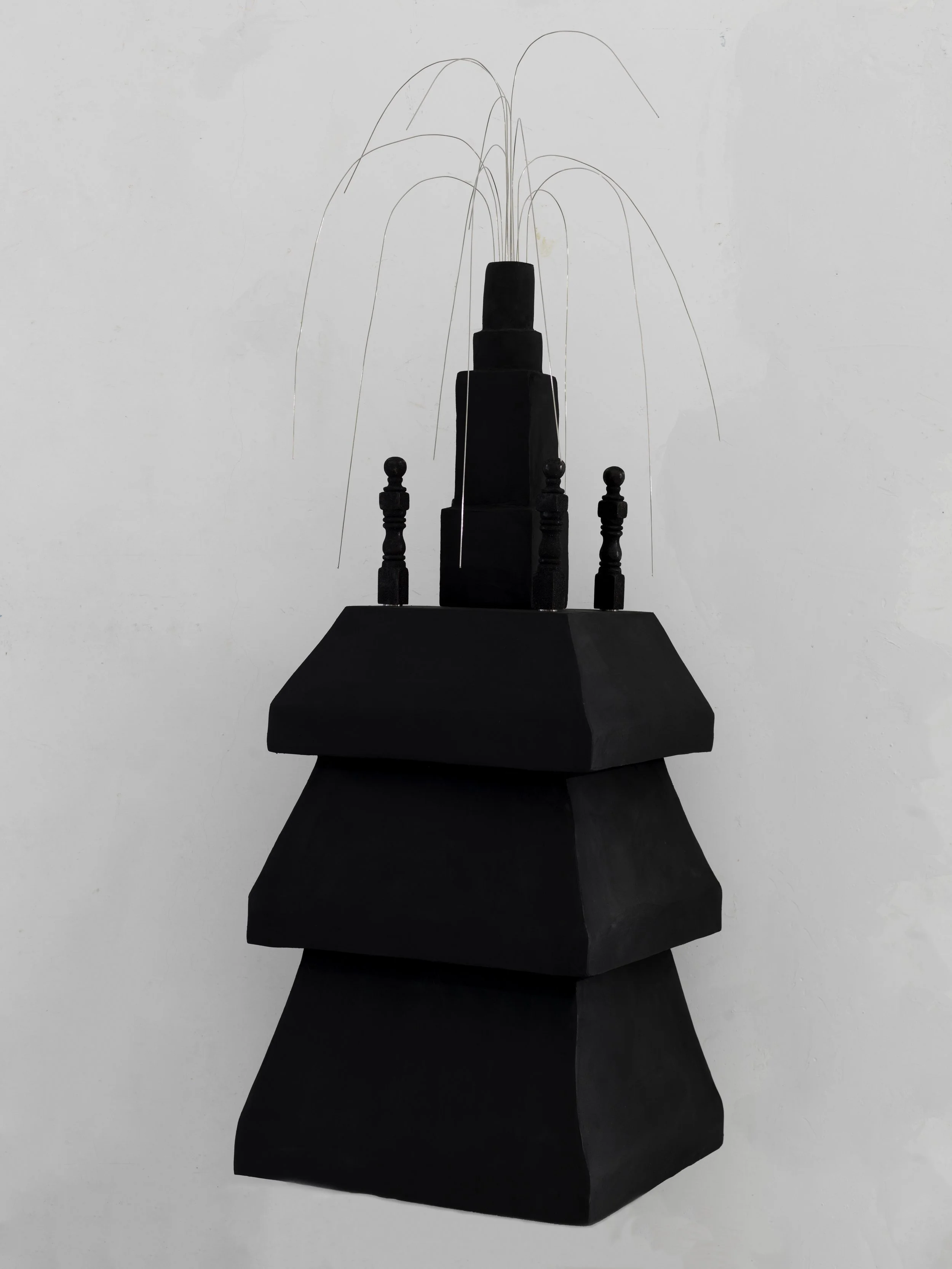
黑色喷泉 | Black Fountain
2025
Ramie, Lacquer, Steel Wire, Carbon Dust
110 x 40 x 40 cm
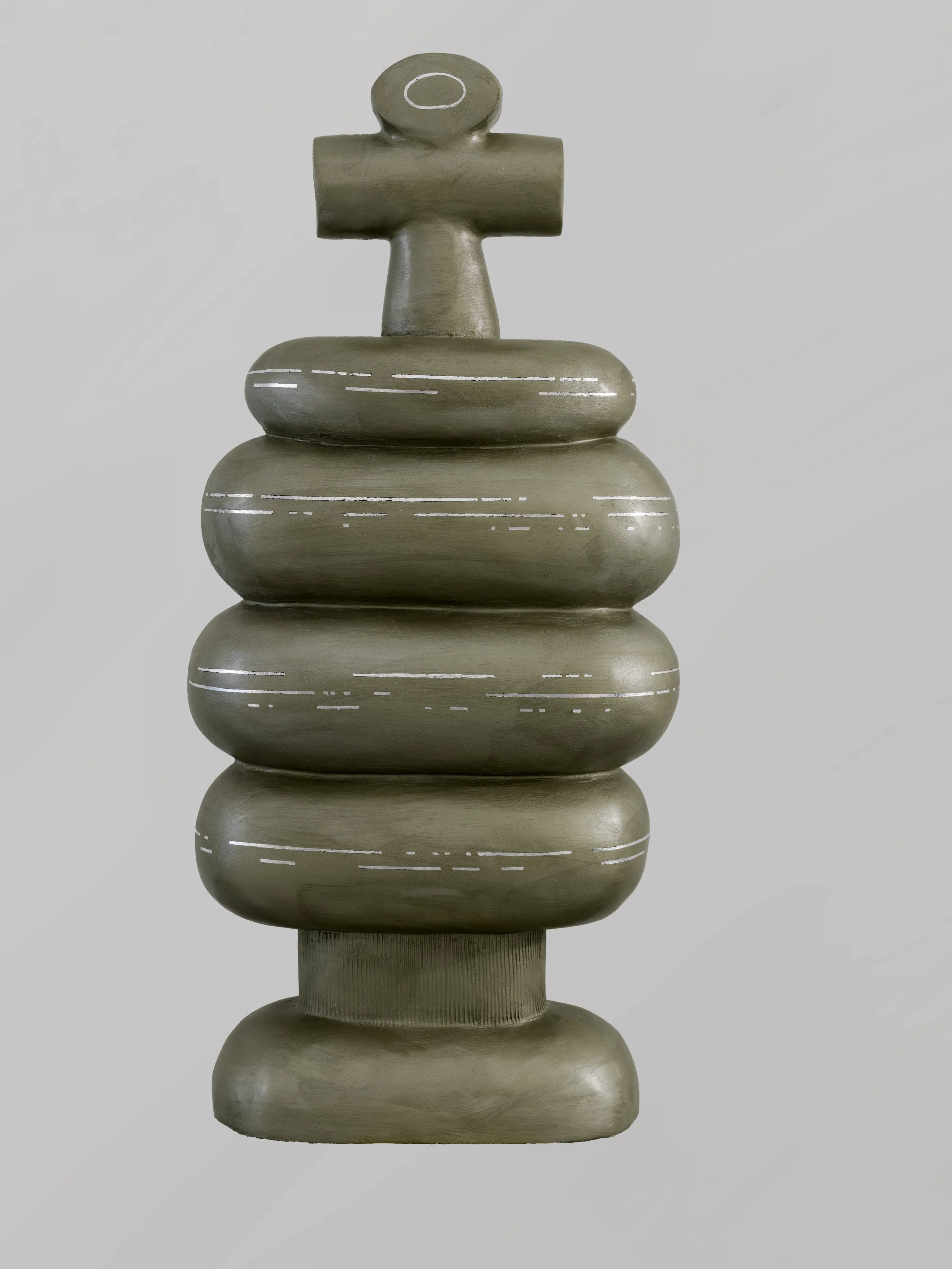
火炉-1 | Fireplace -1
2025
Ramie, Lacquer, Aluminum Dust
84 x 40 x 20 cm
Li Ran | 李然
Li Ran (b. 1996) centers his practice on lacquer and Xuan paper, reconstructing the classical imagery of "bamboo slips" (Jiandu) to explore the material transformation of time. By stripping away the traditional formal concepts of these ancient scrolls, he utilizes the repetitive layering of lacquer to build subtle depths of color and rich textural tiers. Li views his creative process as a dialogue with time, translating ephemeral moments into tangible, material forms through the accumulation of medium.
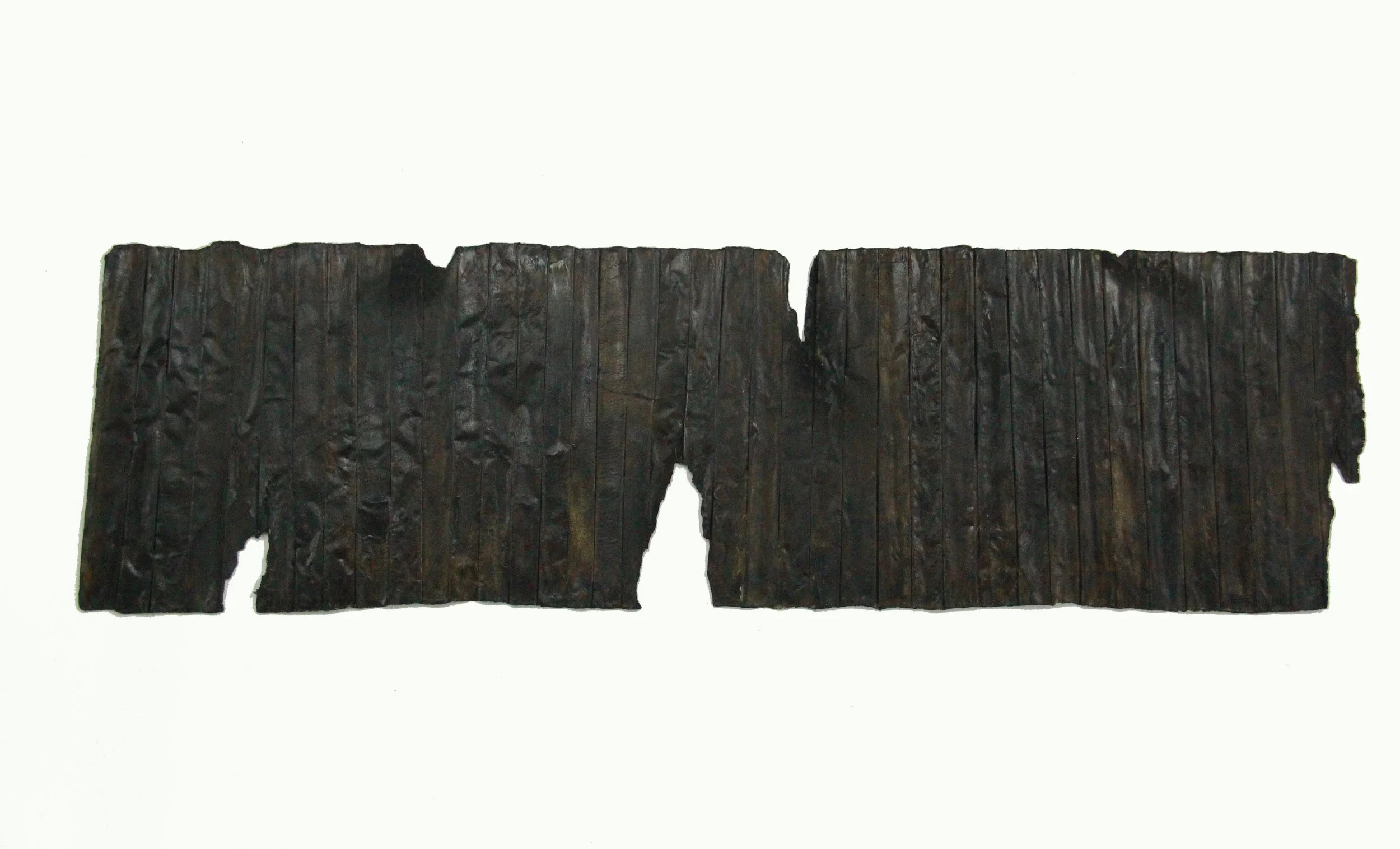
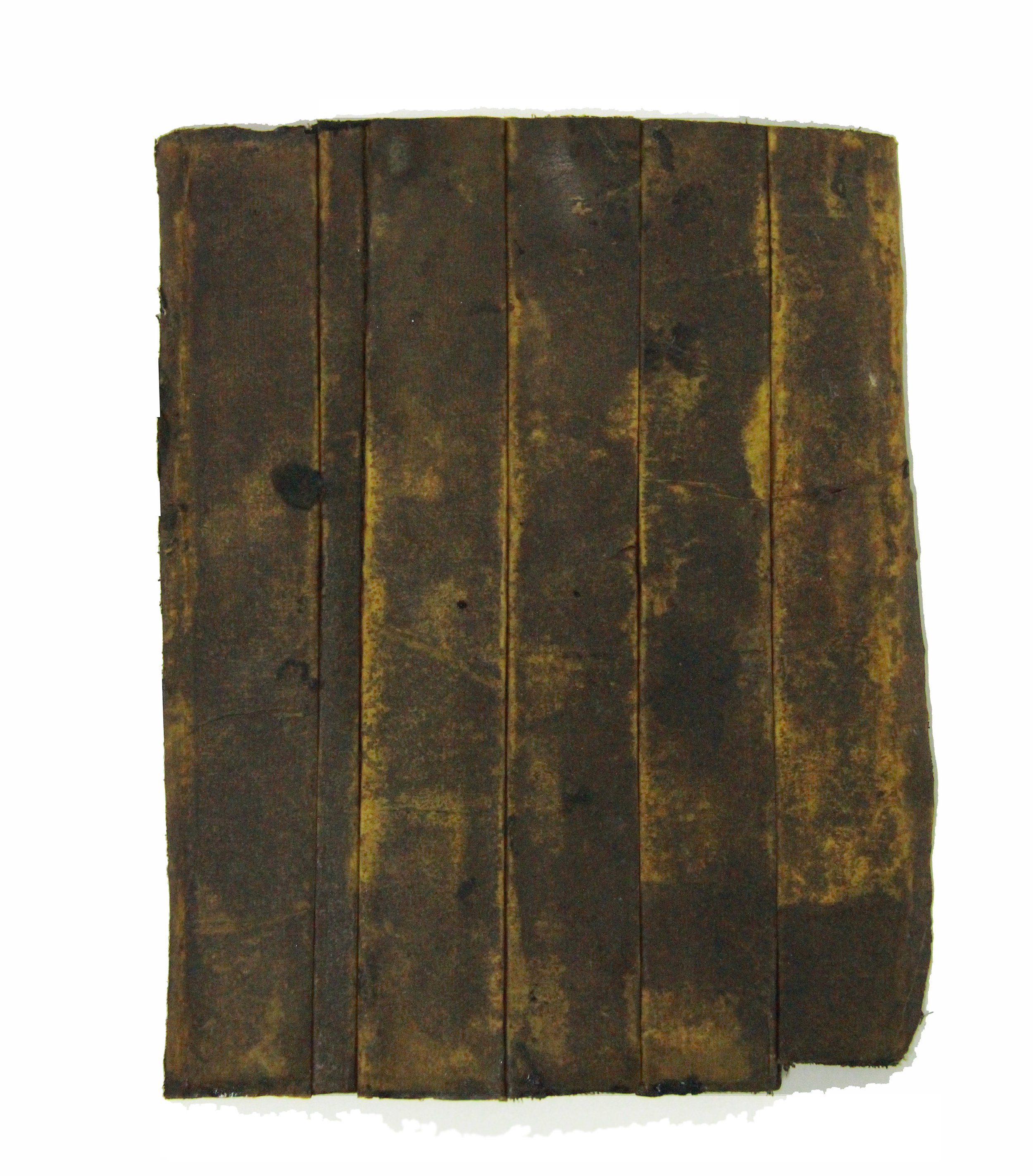
简·书怀 | Bamboo slips ·Written Nostalgia
2026
Xuan paper, Lacquer, Hemp cloth, Tile ash
50 x 166 x 1 cm
简·息 | Bamboo slips· Breath of Lacquer
2026
Xuan paper, Lacquer, Hemp cloth, Tile ash
19 x 24 x 1 cm
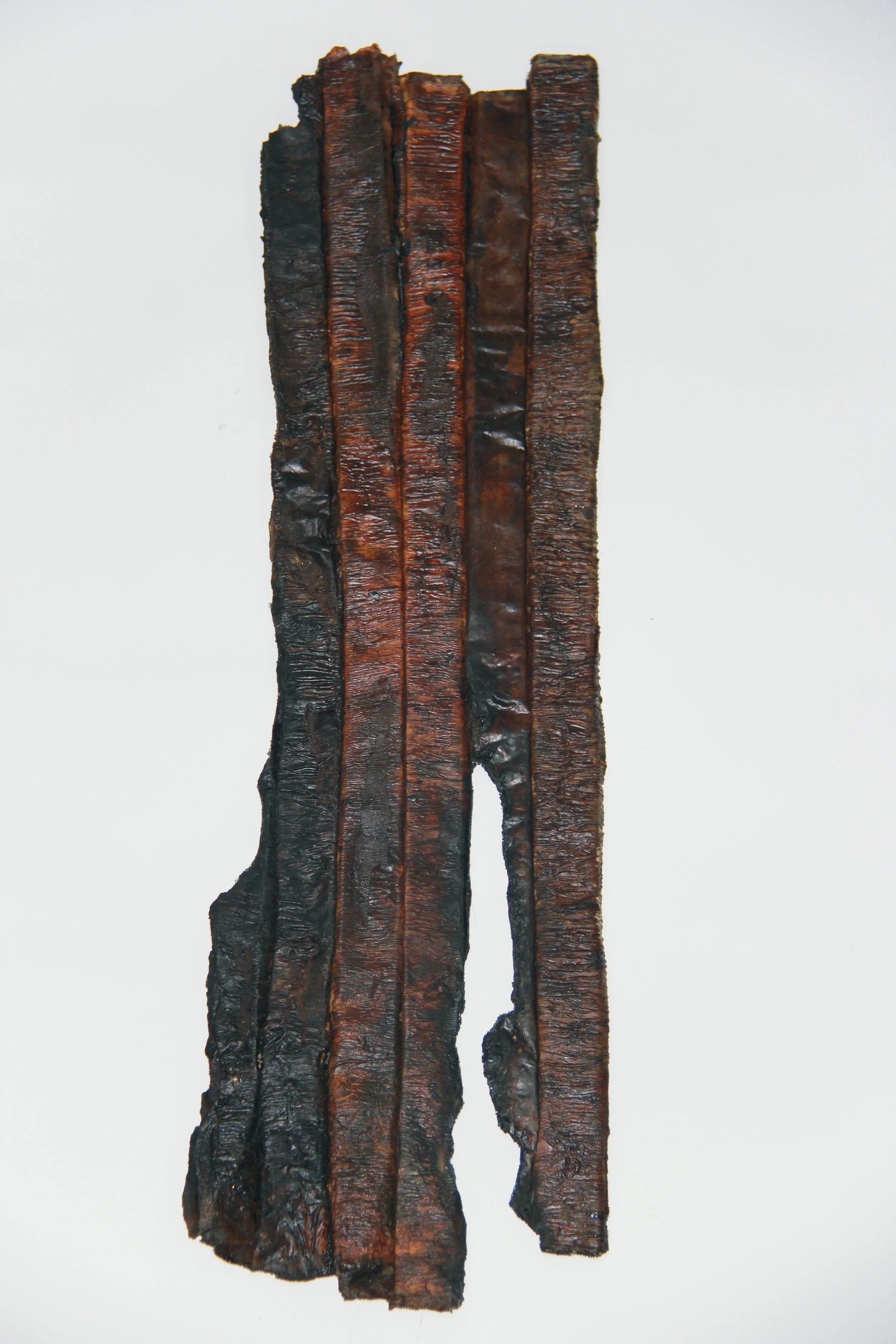
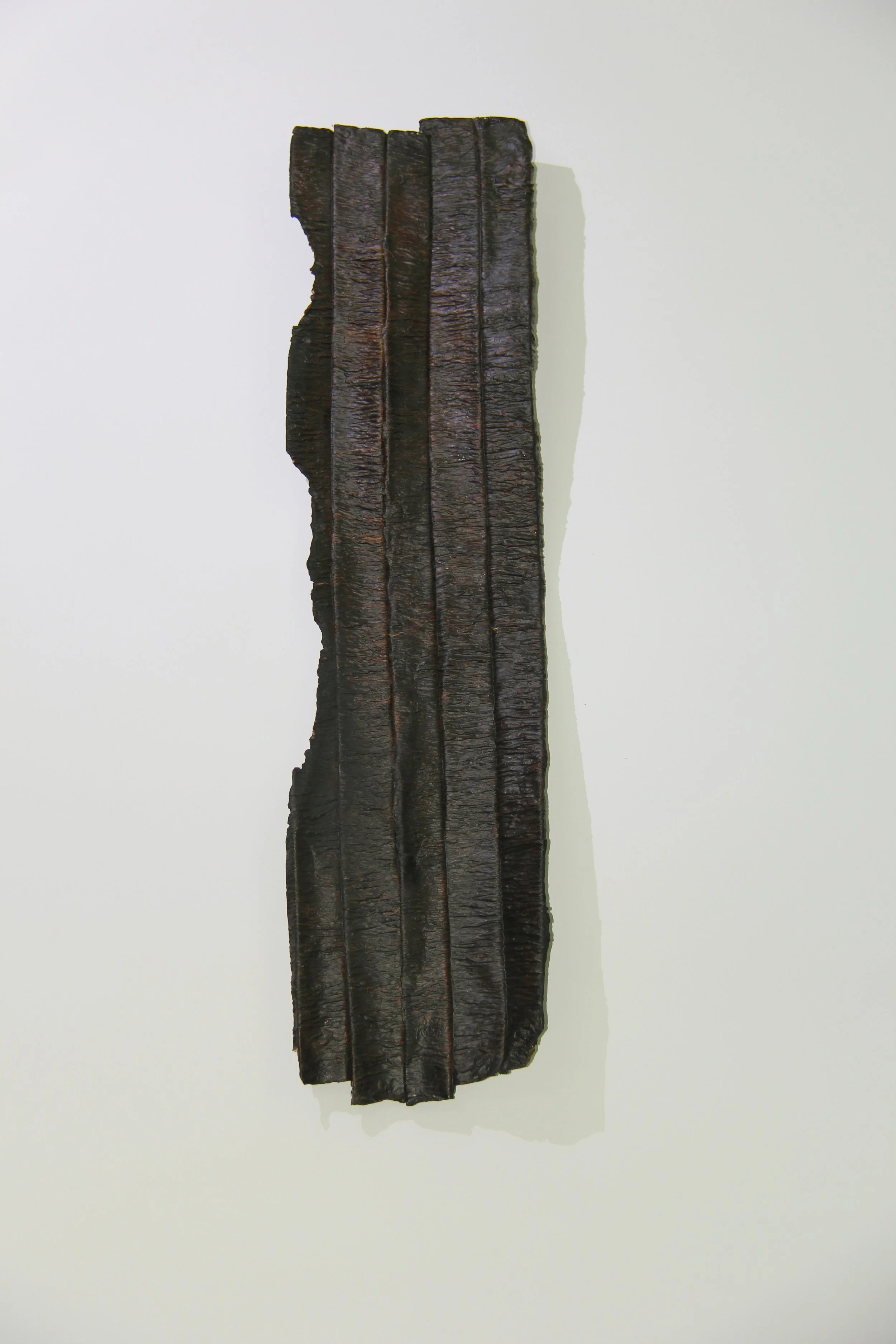
简·残叙 | Bamboo slips· Fragmented Verse
2026
Xuan paper, Lacquer, Hemp cloth, Tile ash
24 x 80 x 1 cm
简·心迹 | Bamboo slips· Trace of the Soul
2026
Xuan paper, Lacquer, Hemp cloth, Tile ash
18 x 70 x 5 cm
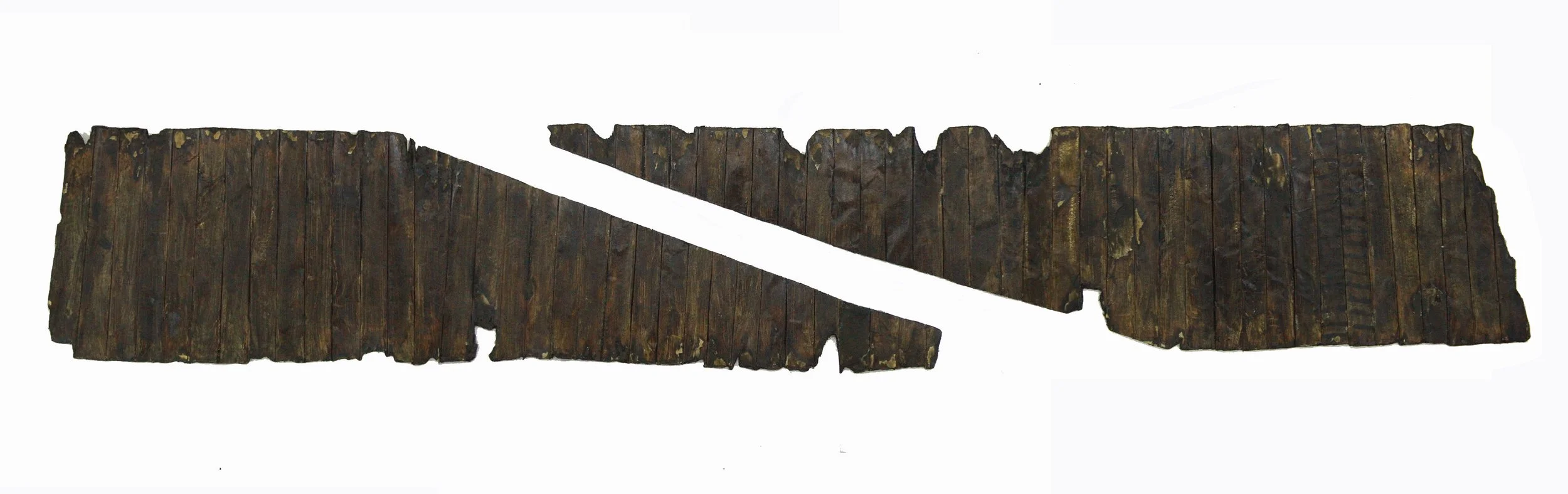
简·文痕 | Bamboo slips· Literati Traces
2026
Xuan paper, Lacquer, Hemp cloth, Tile ash
37 x 230 x 2 cm
Liang Xingmei | 梁杏媚
Liang Xingmei (b. 1996) focuses on the experimental integration of traditional forms and botanical materials within the realm of three-dimensional lacquer art. She boldly challenges the boundaries between the natural and the man-made by innovatively using bamboo leaves as a "lining" material—replacing traditional linen to reinforce the structural core. In her work, the organic venation of bamboo fibers permeates the lustrous depth of the lacquer, creating a visual language where nature and craft coexist. Her practice explores a contemporary rebirth for classical forms through material transformation.
漆繁衍 | Lacquer Propagation
2019
Lacquer, Resin, Leaf veins, Lacquer ash, Pearstone powder, Raden, Gold leaf
18 x 18 x 19 cm
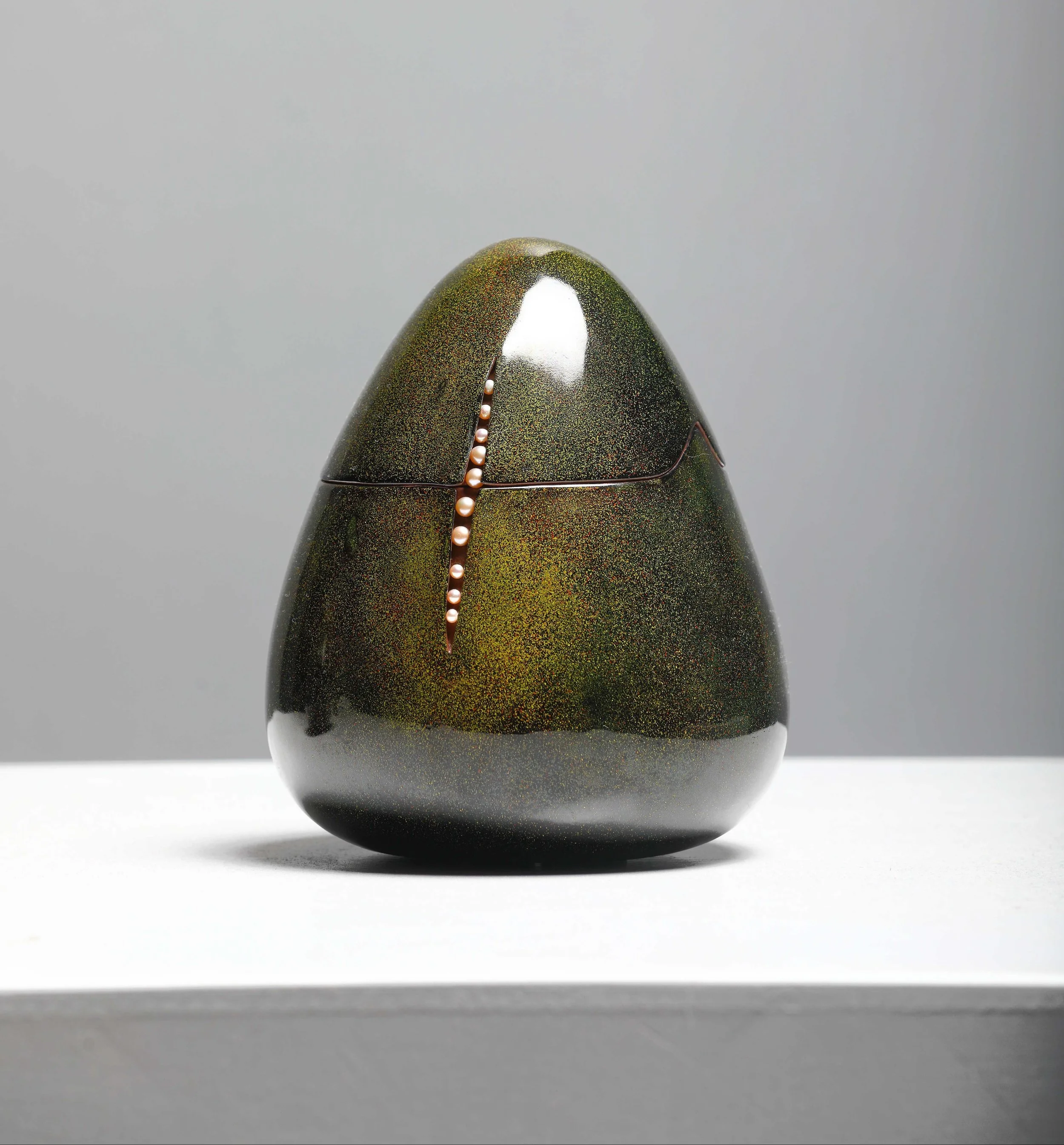
漆繁衍 | Lacquer Propagation
2019
Lacquer, Resin, Leaves, Lacquer powder, Lacquer ash
19x 19 x 14 cm
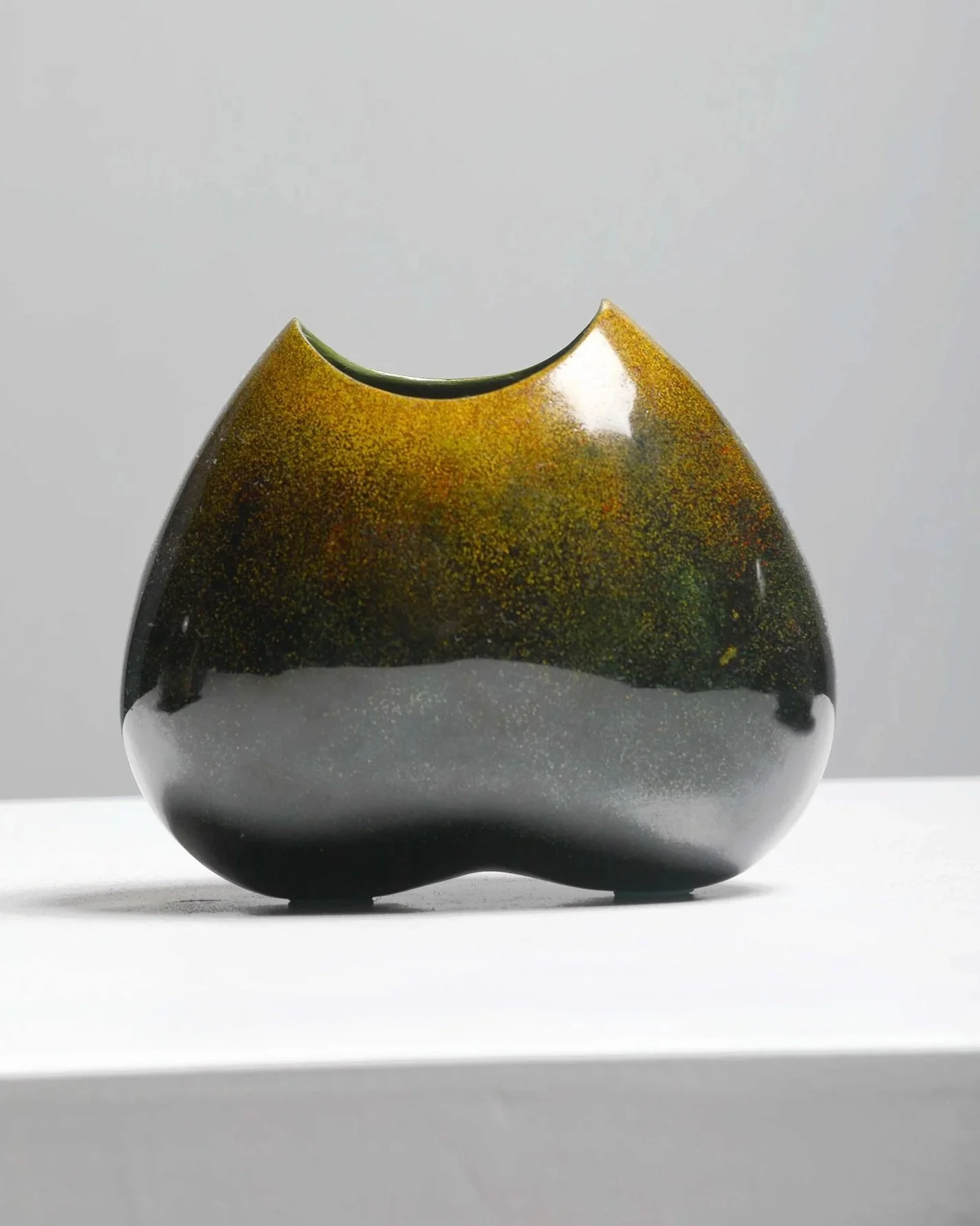
漆繁衍 | Lacquer Propagation
2019
Lacquer, Resin, Leaf veins, Lacquer powder, Pearstone powder, Lacquer ash, Gold leaf
14 x 14 x 18 cm
Liu Lijun | 刘丽君
Liu Lijun (b. 1992) extracts abstract symbols from industrial civilization to explore the intricate dialectic between contemporary eras and human emotion. Her work is characterized by a profound sense of "spatial folding." In her recent practice, she strips away rigid exteriors to reveal vulnerable, wound-like edges, creating a symbiotic relationship between interior and exterior akin to a Mobius strip. Through concise abstract imagery, Liu evokes collective life experiences and bodily memories, generating a striking visual tension through immense contrast and contradiction.
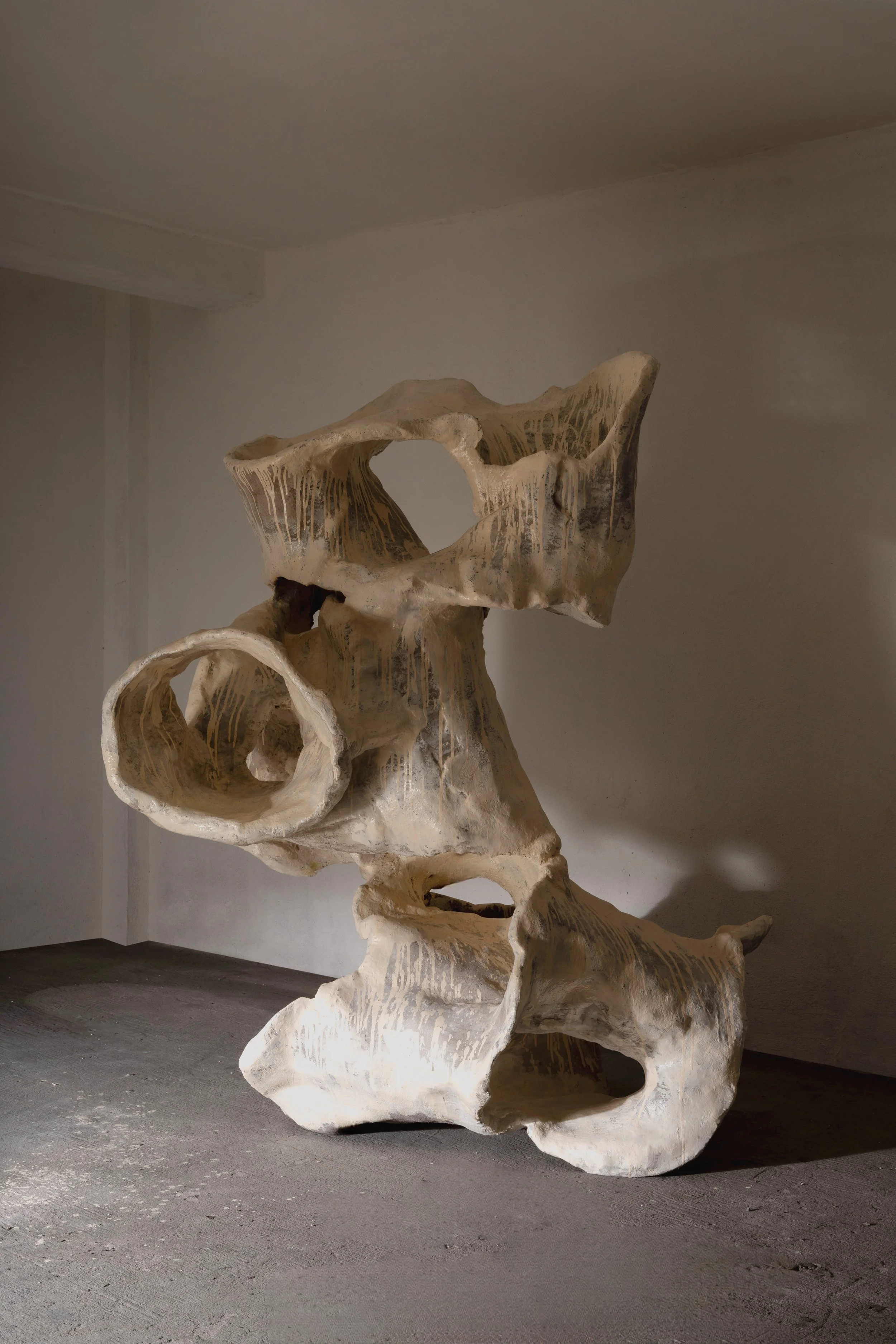
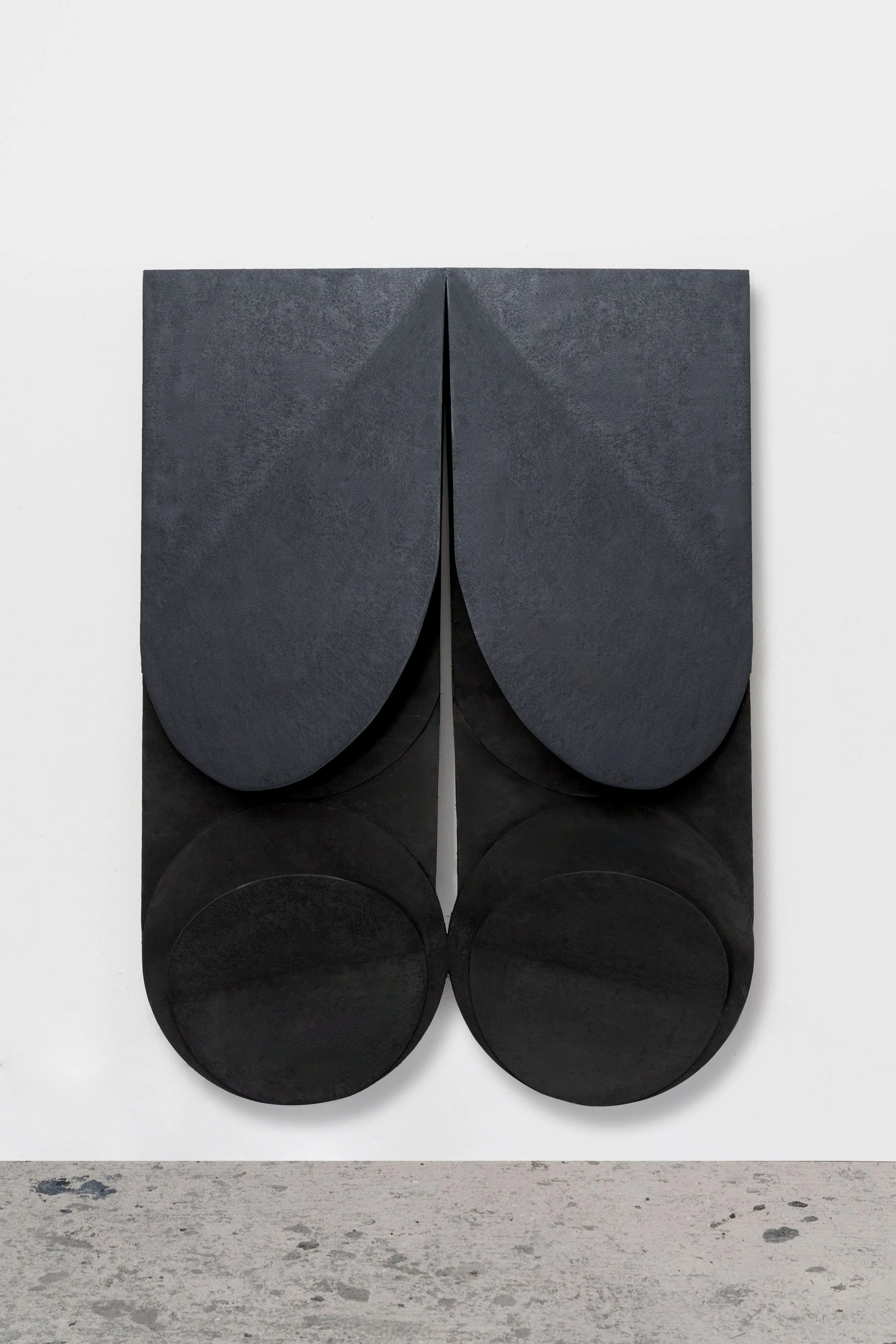
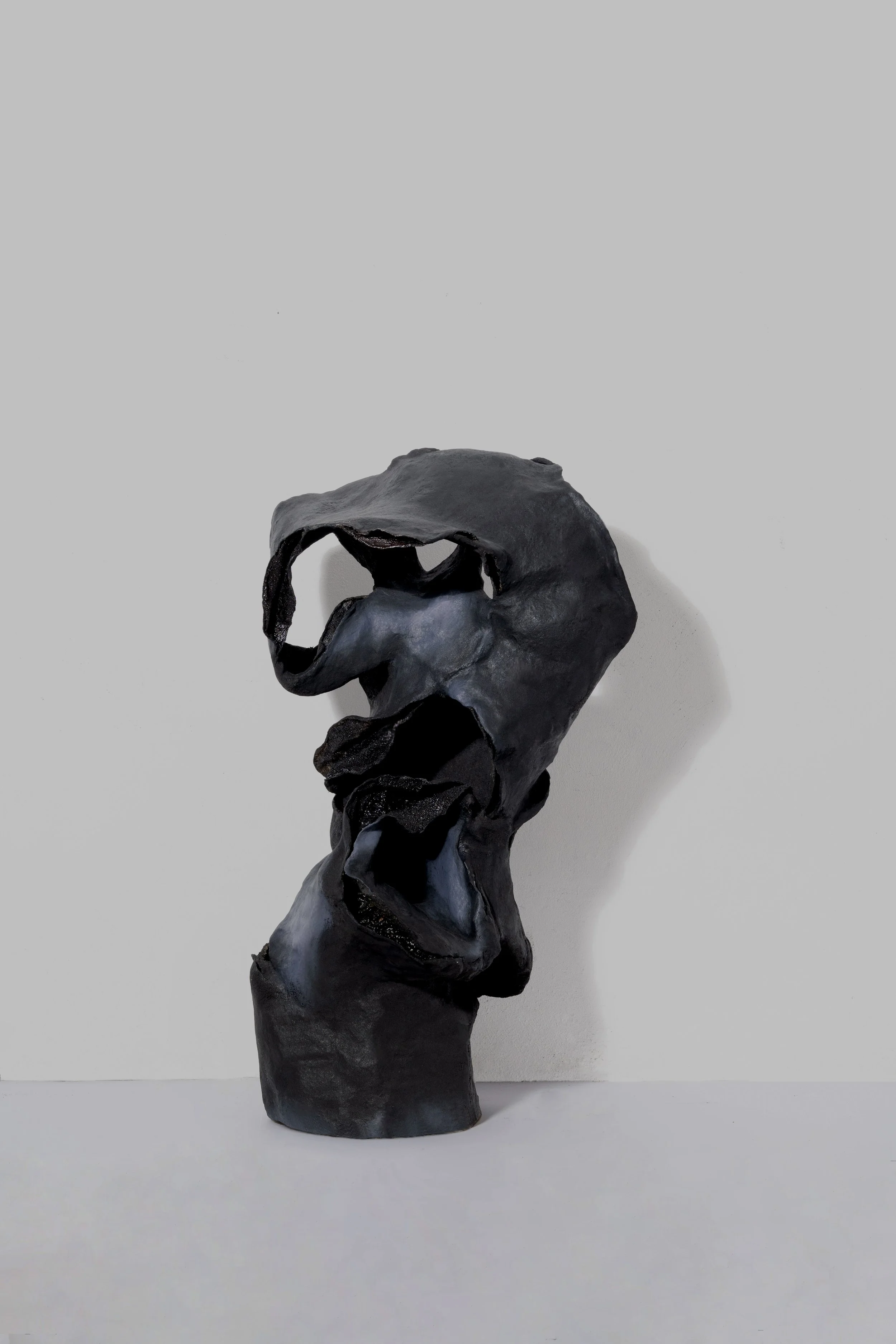
《悬置》系列 06 |Suspension Series No. 06
2023 - 2024
Lacquer, Ash, Hemp fiber
160 x 120 x 20 cm
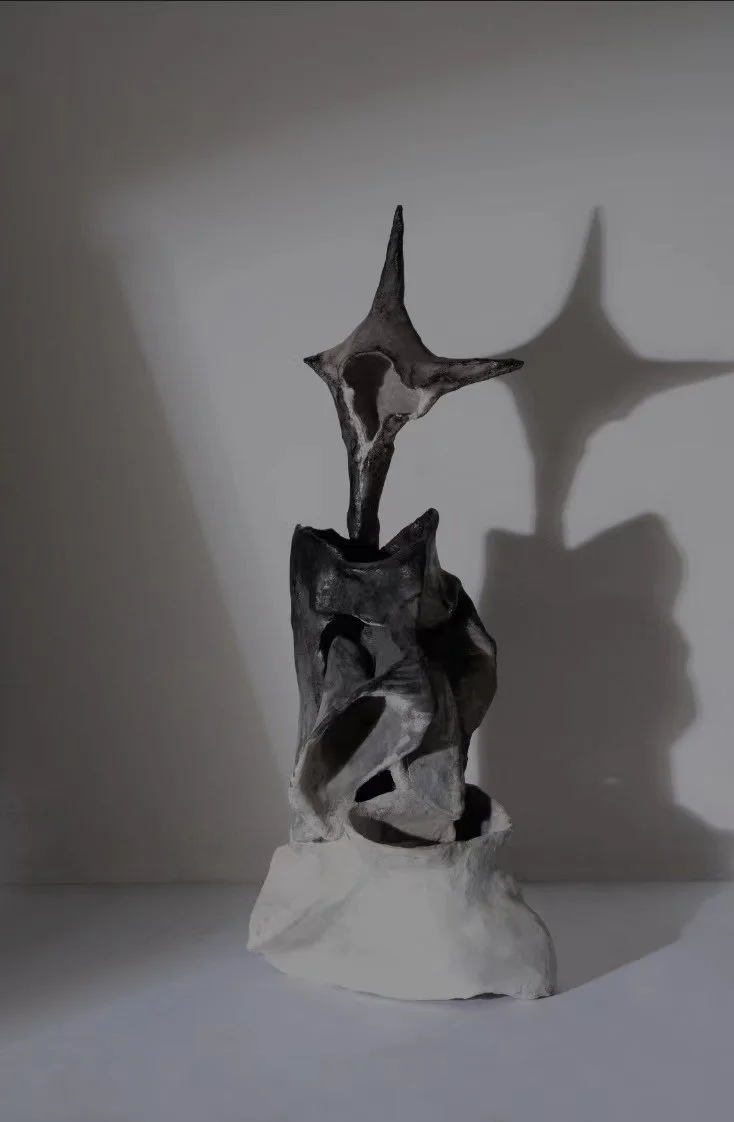
《悬置》系列 22 |Suspension Series No. 22
2024
Lacquer, Mixed media
190 x 160 x 140 cm
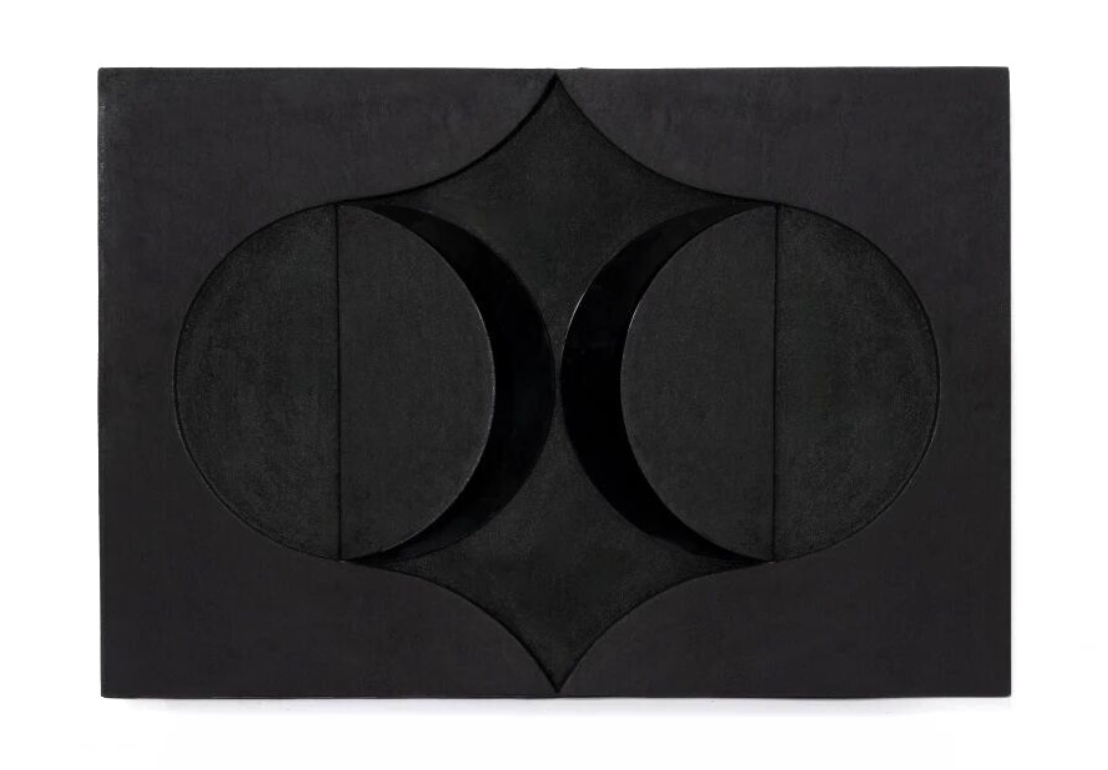
《悬置》系列 05 |Suspension Series No. 05
2023 - 2024
Lacquer, Ash, Hemp fiber
160 x 120 x 20 cm
《悬置》系列 18 |Suspension Series No. 18
2024
Lacquer, Ash, Hemp fiber, Mixed media
170 x 70 x 60 cm
《悬置》系列 21 |Suspension Series No. 21
2024
Lacquer, Ash, Hemp fiber, Mixed media
130 x 70 x 65 cm
漆繁衍 | Lacquer Propagation
2019
Lacquer, Resin, Leaves, Lacquer powder, Lacquer ash
19x 19 x 14 cm
漆繁衍 | Lacquer Propagation
2019
Lacquer, Resin, Leaves, Lacquer powder, Pearstone powder, Lacquer ash, Pearls
16 x 16 x 18.5 cm
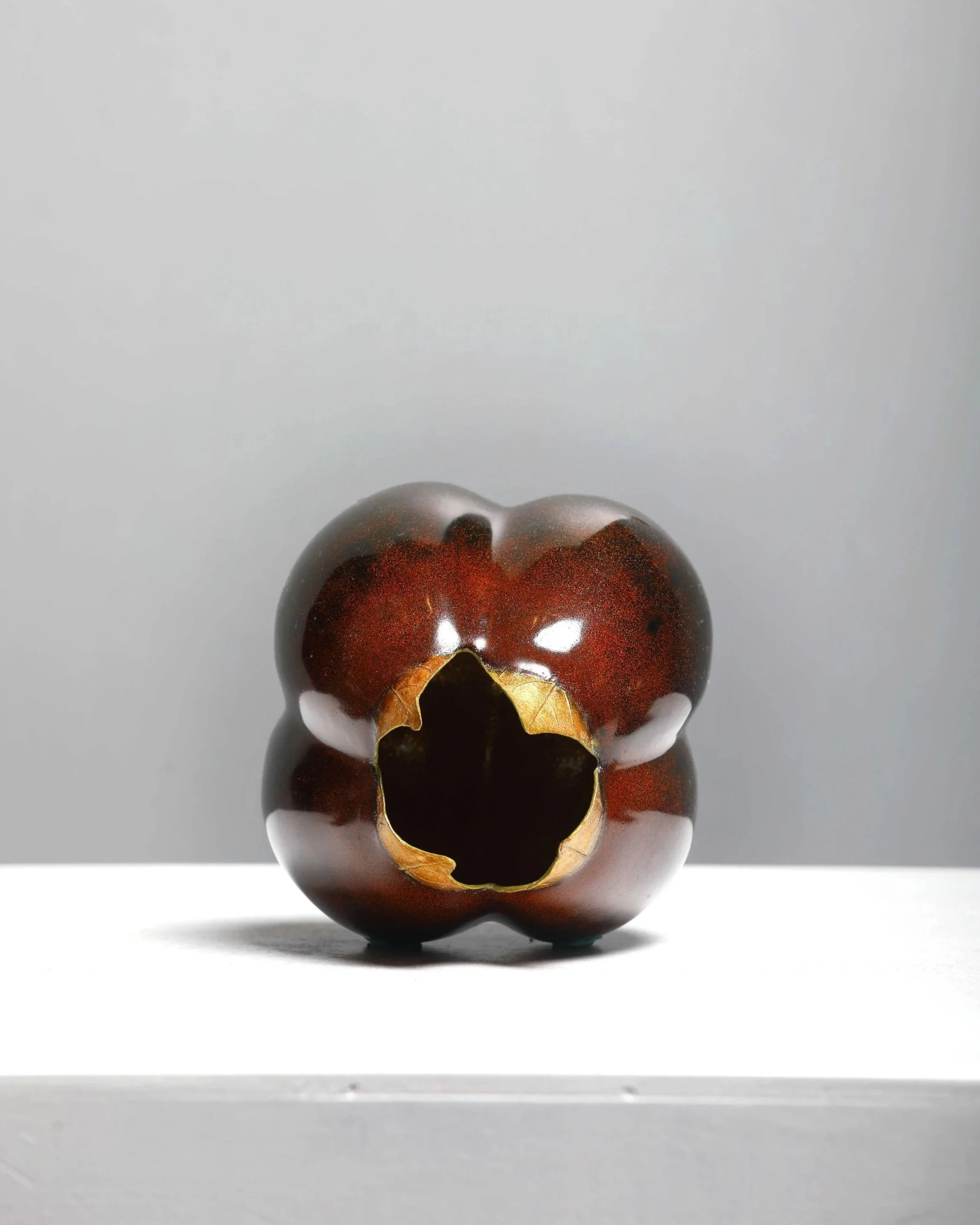
Ou Tingzhu | 区廷柱
Ou Tingzhu (b. 1991) centers his practice on the motifs of "The Pagoda" and "Enclosed Landscapes," exploring the independent spirituality of three-dimensional lacquer forms stripped of their utility. Using "cutting" and "dust" as guiding threads, his work balances grand archetypes of power and worship with localized, sensory visualizations of nature. Through the repetitive, layered process of natural lacquer, Ou re-evaluates the synthesis of matter, time, and the body. His work is held in prestigious international collections, including the Victoria and Albert Museum (V&A) in London.
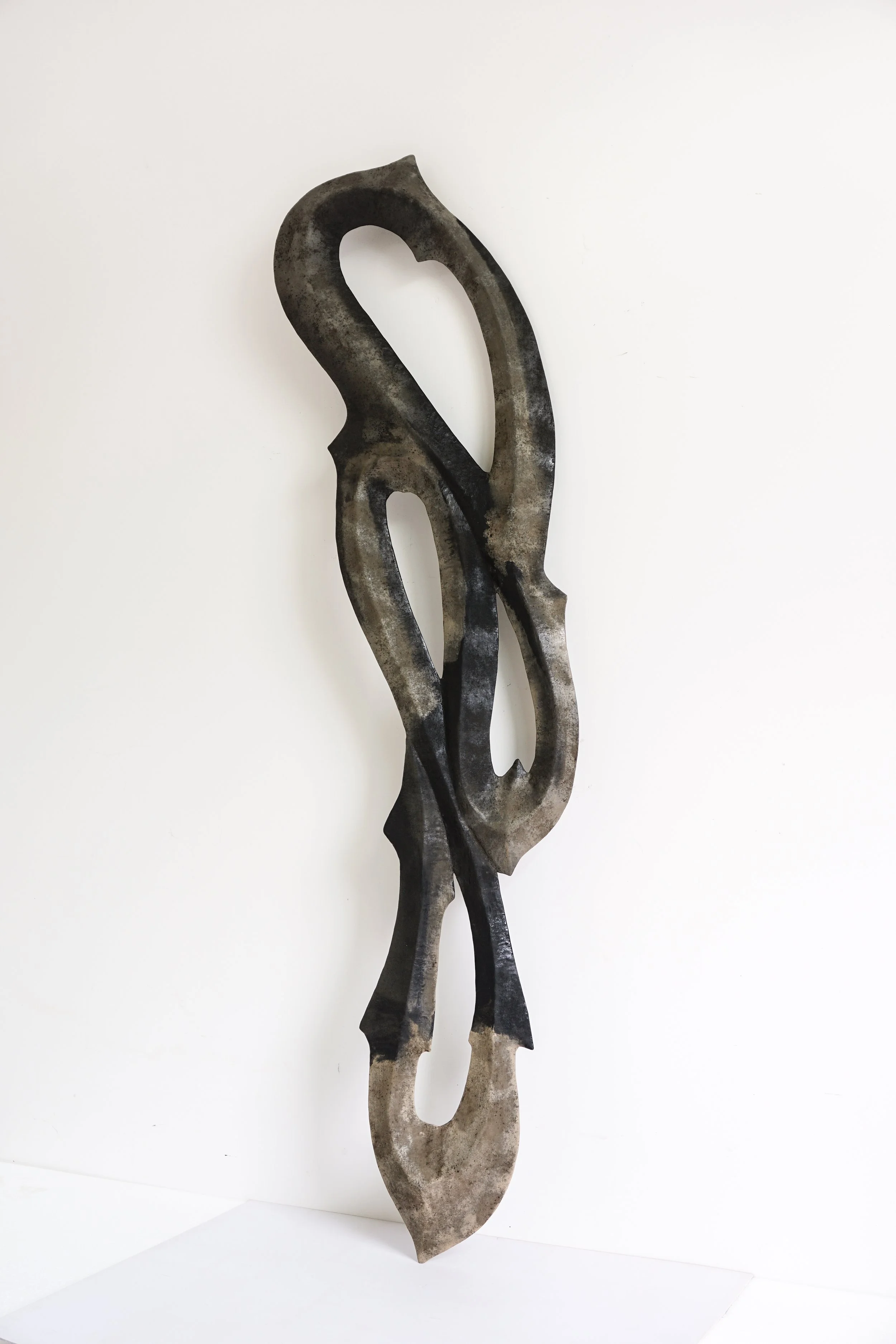
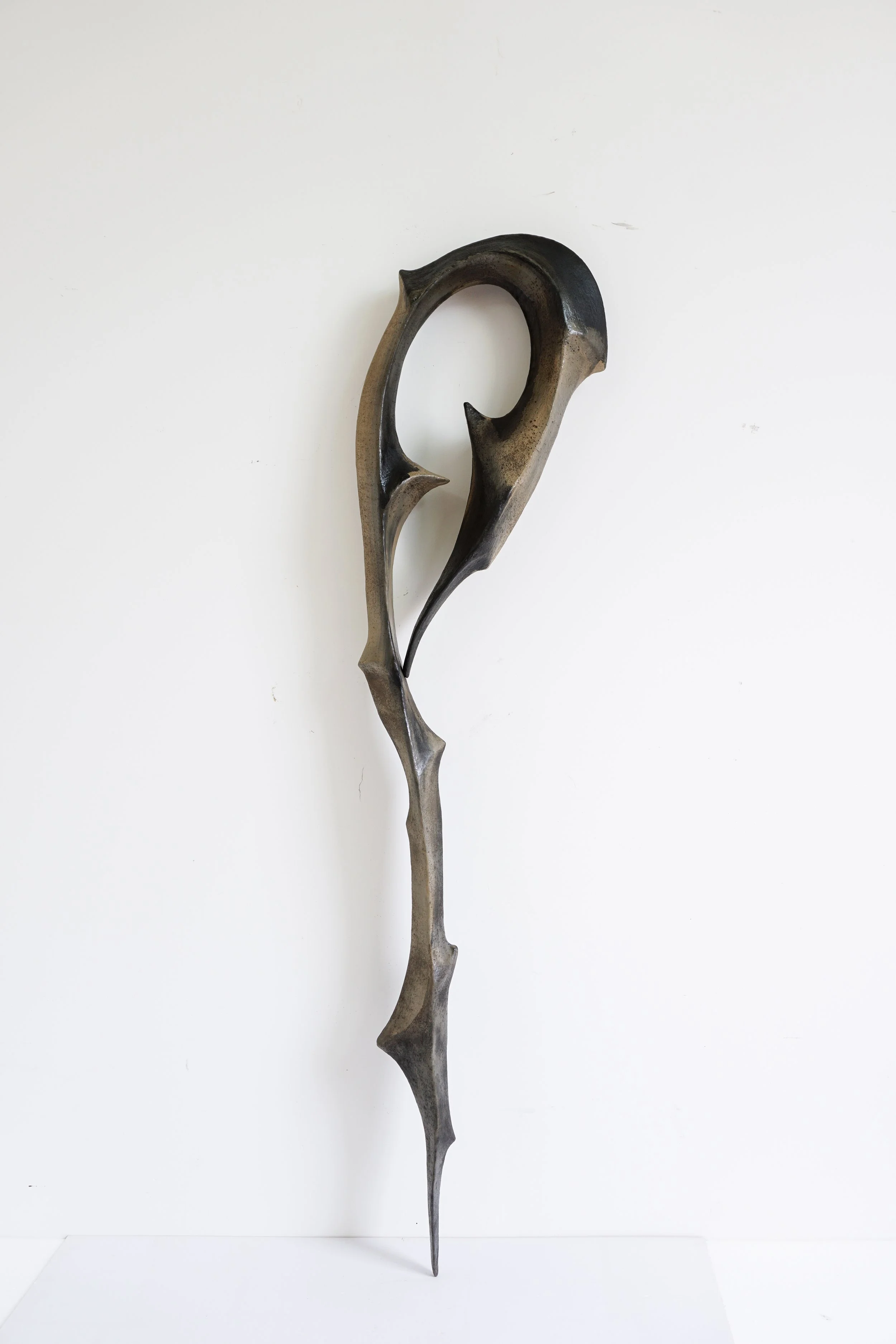
落叶 | Fallen leaves
2023
Lacquer, Tile ash, Ramie
160 x 43 x 8 cm
茎 | Stem
2023
Lacquer, Tile ash, Ramie
120 x 27 x 9.5 cm
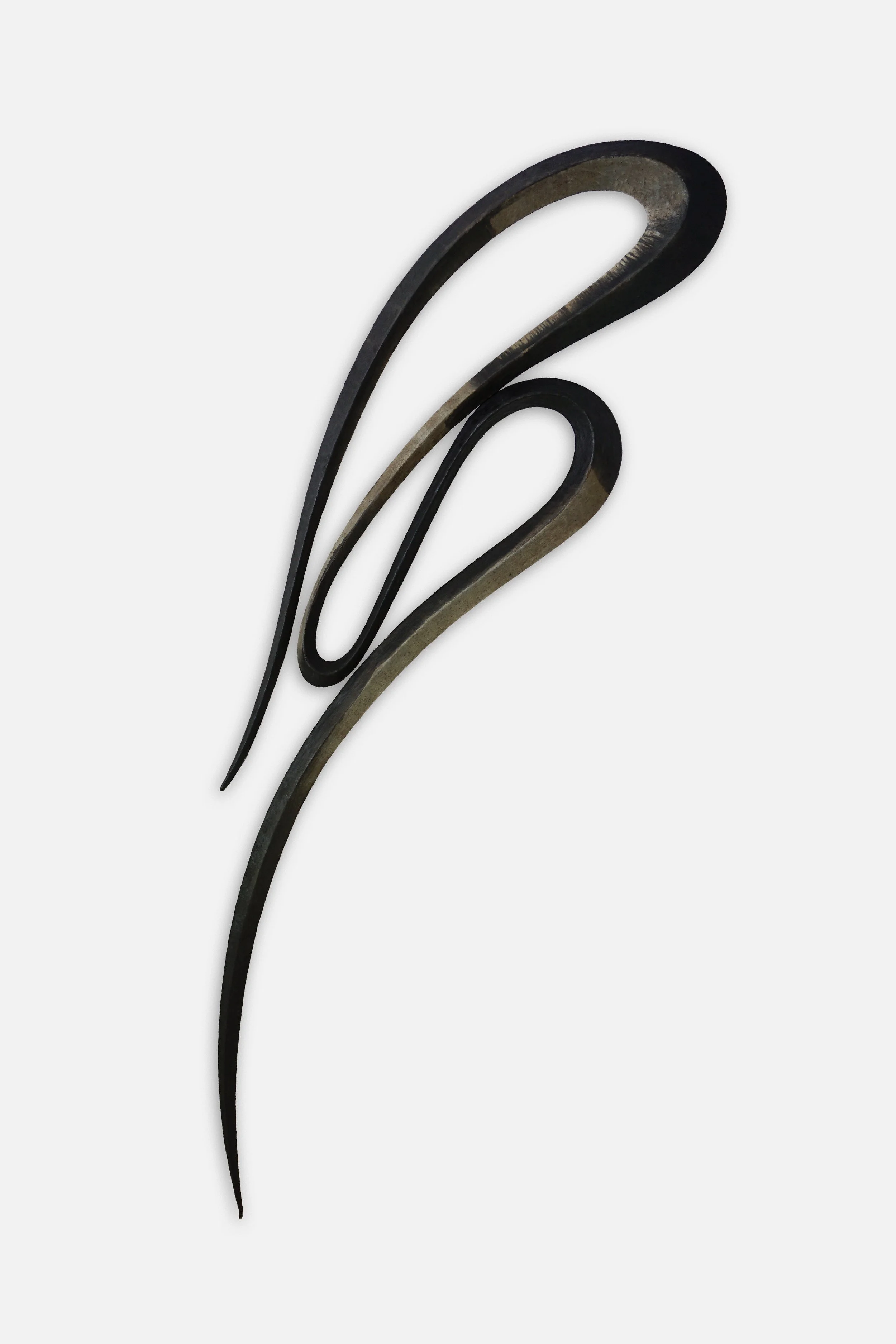
风| Wind
2023
Lacquer, Tile ash, Ramie
160 x 76.8 x 6 cm
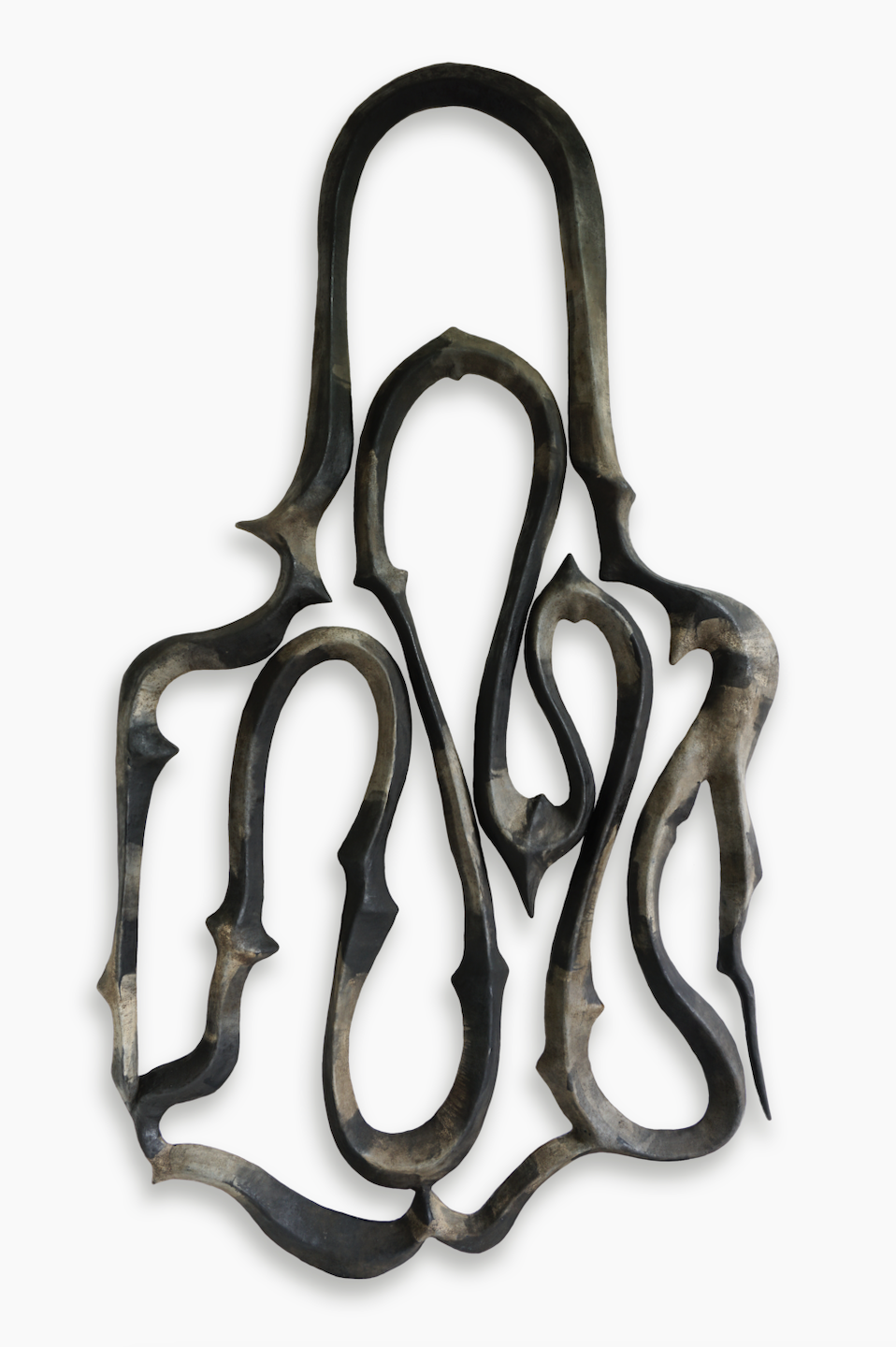
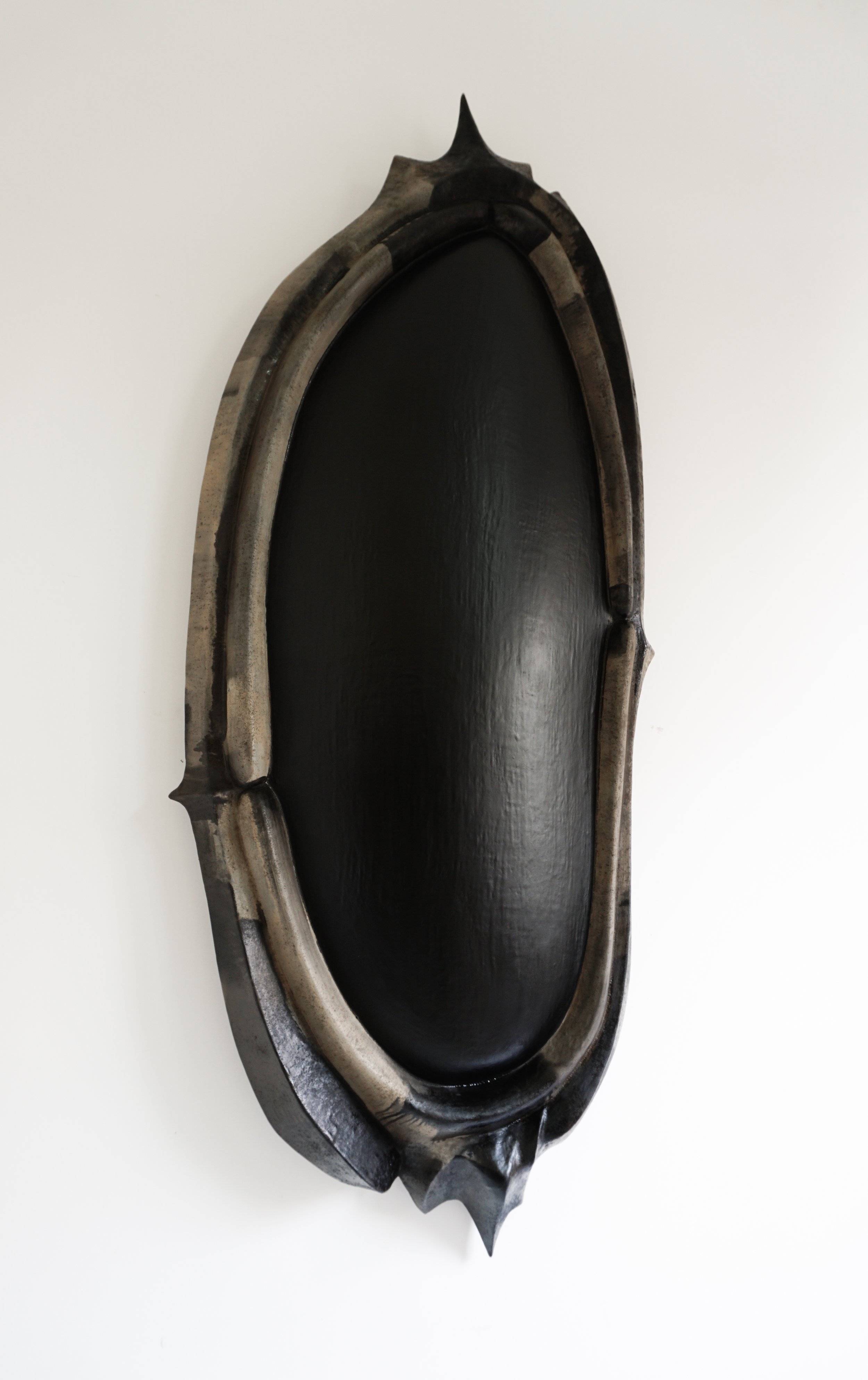
花园 | Garden
2023
Lacquer, Tile ash, Ramie
120 x 91 x 20 cm
蚝式镜| Oyster Mirror
2023
Lacquer, Tile ash, Ramie
160 x 67.8 x 14.6 cm
Rao Pengcheng | 饶鹏程
Rao Pengcheng’s (b. 1989) Monument series is an ongoing meditation on the synergy between material, labor, and time. By stripping away redundant narratives and ornamentation, he returns the work to the elemental essence of the "object." His creative process eschews deliberate design, allowing shapes and textures to emerge naturally through the act of making. Rao’s practice embodies a state of restraint and silence—declining to define or explain, instead allowing the solidified remnants of time to speak for themselves.
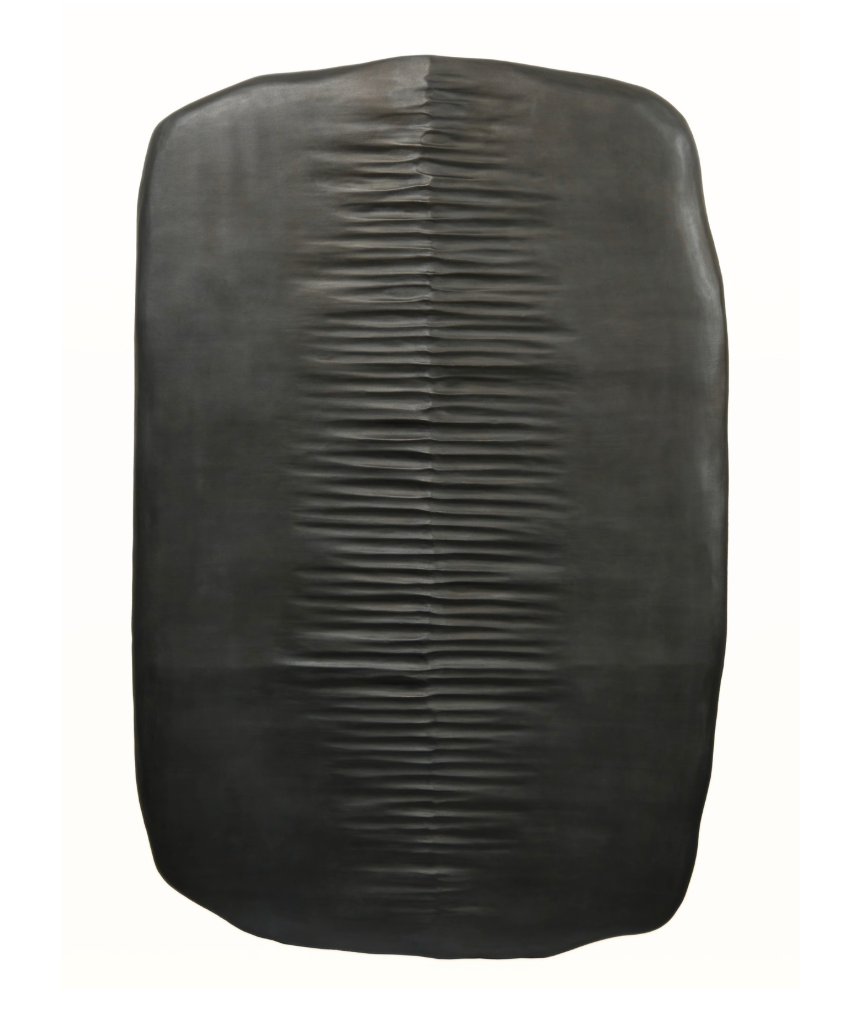
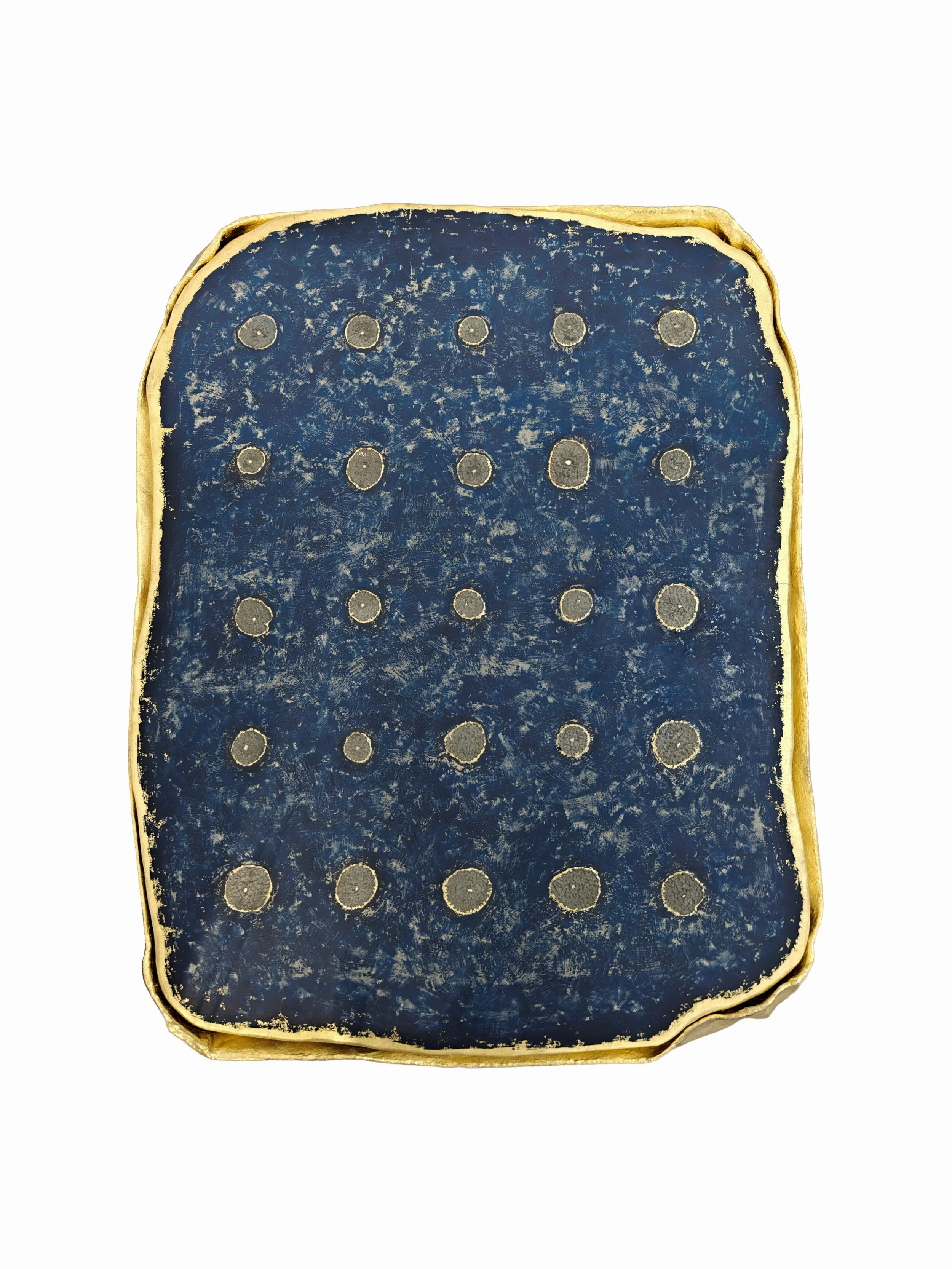
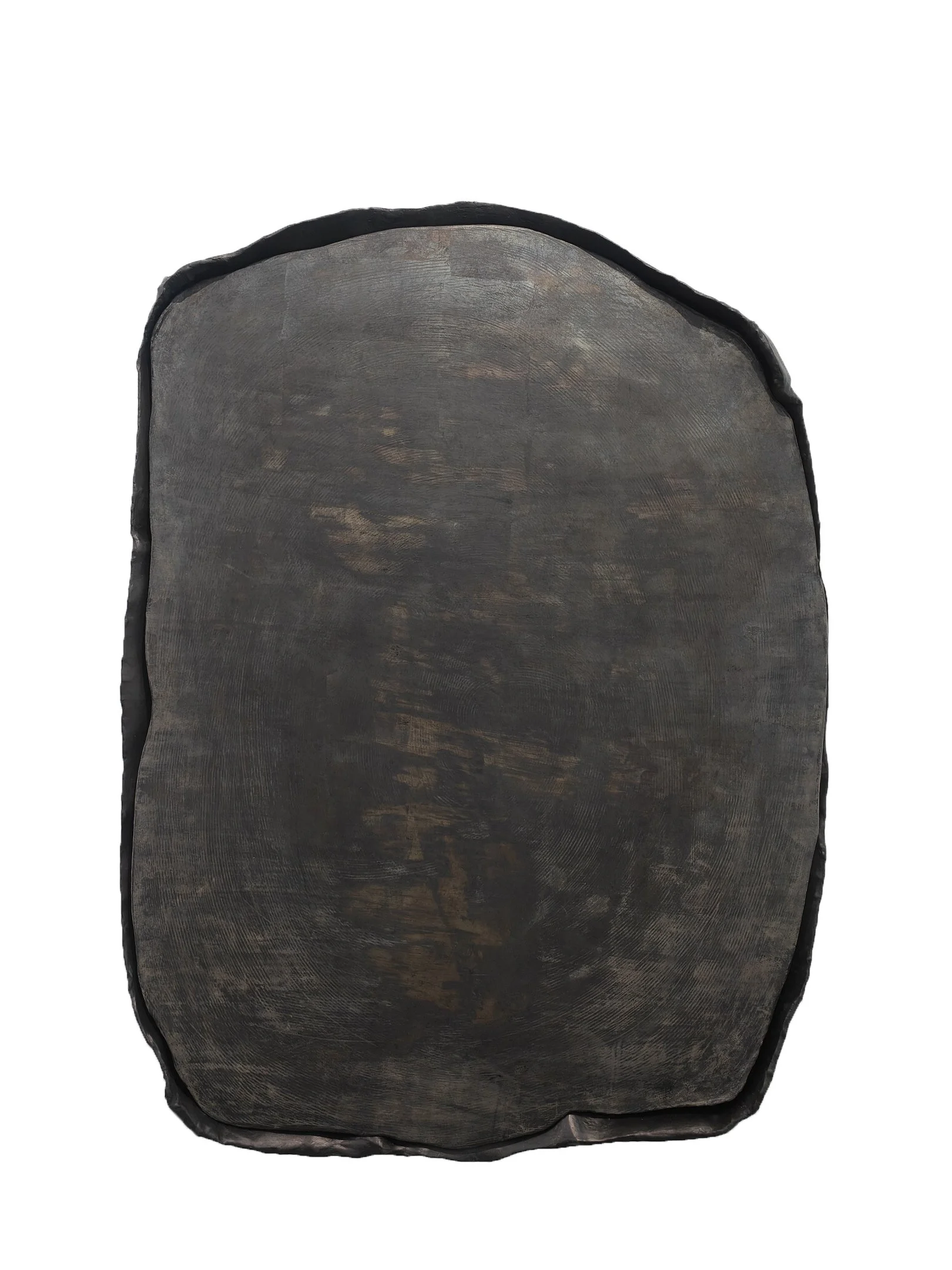
碑 3| Stele 3
2025
Lacquer, Tile ash, Hemp cloth, Polystyrene board, Acrylic, Copper foil, Silver leaf, Raden
136 x 107 x 10 cm
碑 2| Stele 2
2025
Lacquer, Tile ash, Hemp cloth, Polystyrene board
178 x 119 x 8 cm
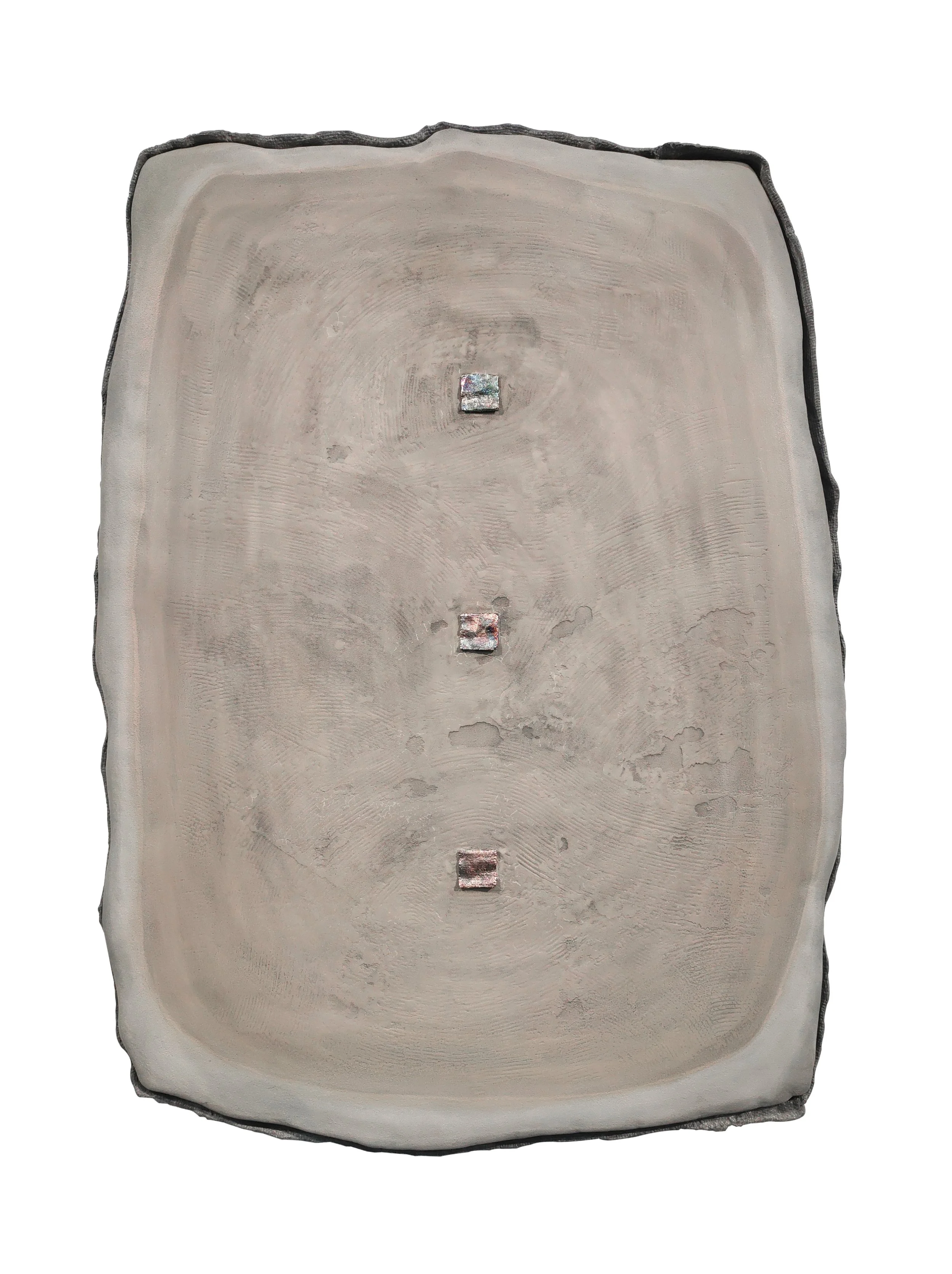
碑 4| Stele 4
2022
Lacquer, Tile ash, Hemp cloth, Polystyrene board, Silver leaf
119 x 90 x 10 cm
碑 5| Stele 5
2022
Lacquer, Tile ash, Hemp cloth, Polystyrene board, Silver leaf
86 x 66 x 6 cm
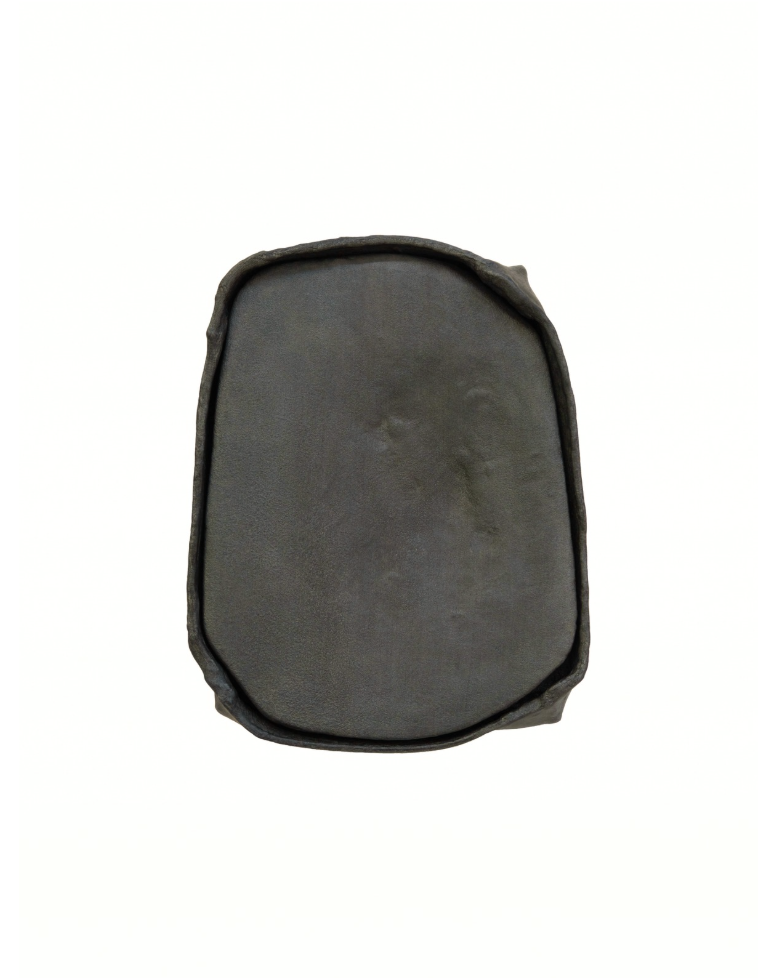
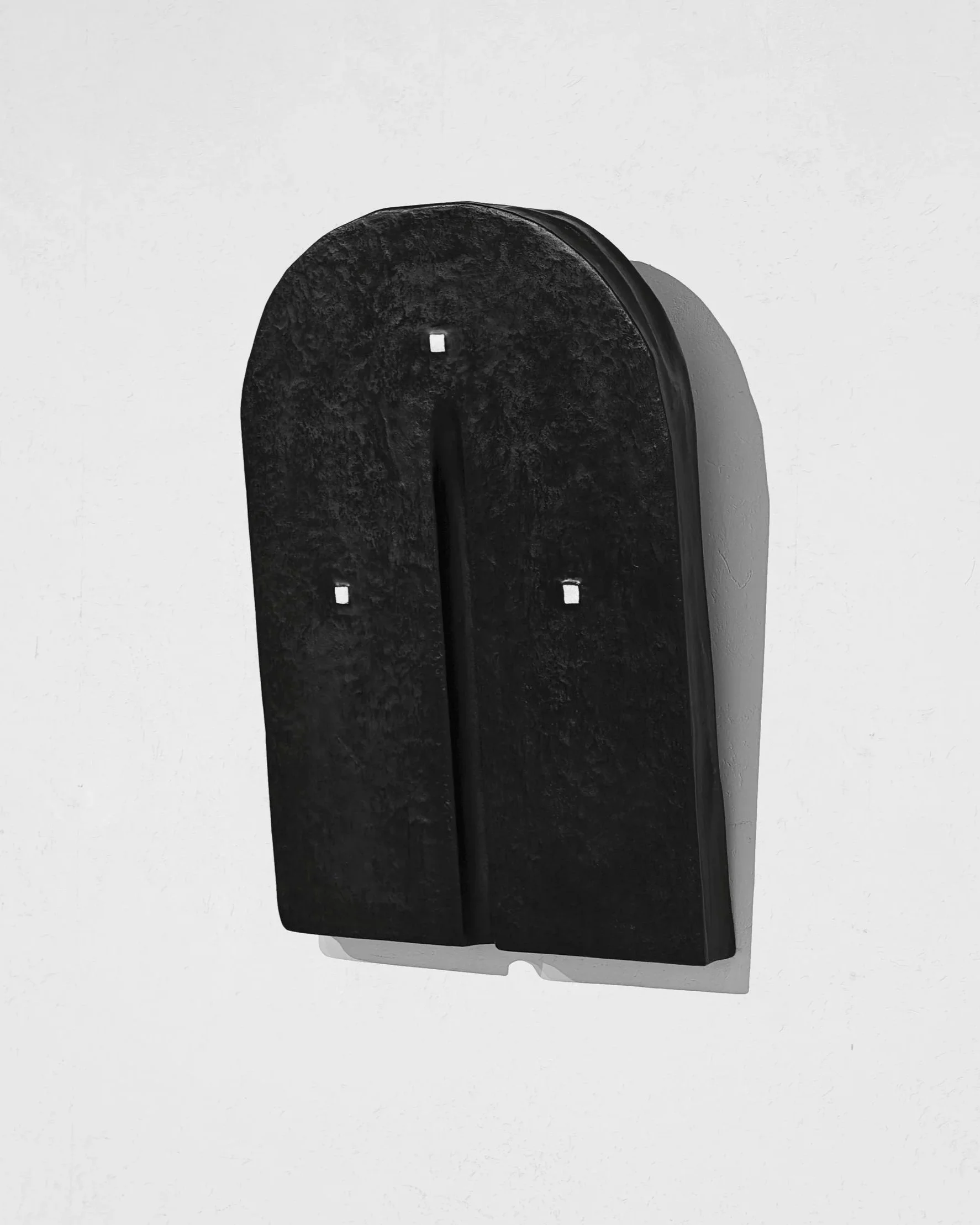
碑 9| Stele 9
2025
Lacquer, Tile ash, Hemp cloth, Polystyrene board, Acrylic
24.5 x 18.8 x 2.5 cm
碑 12| Stele 12
2025
Lacquer, Tile ash, Hemp cloth
70 x 50 x 5 cm
Sun Wenjia | 孙文佳
Sun Wenjia (b. 1986) is dedicated to the multi-modal study of lacquer, consistently pushing the medium’s boundaries into the realms of sculpture, installation, spatial environments, and performance art. He masterfully merges contemporary abstraction with historical narrative, embedding Eastern mysticism within modern sculptural forms. Sun’s practice seeks a synthesis of spirituality and materiality, imbuing traditional lacquer art with a potent contemporary tension through multi-dimensional transitions.
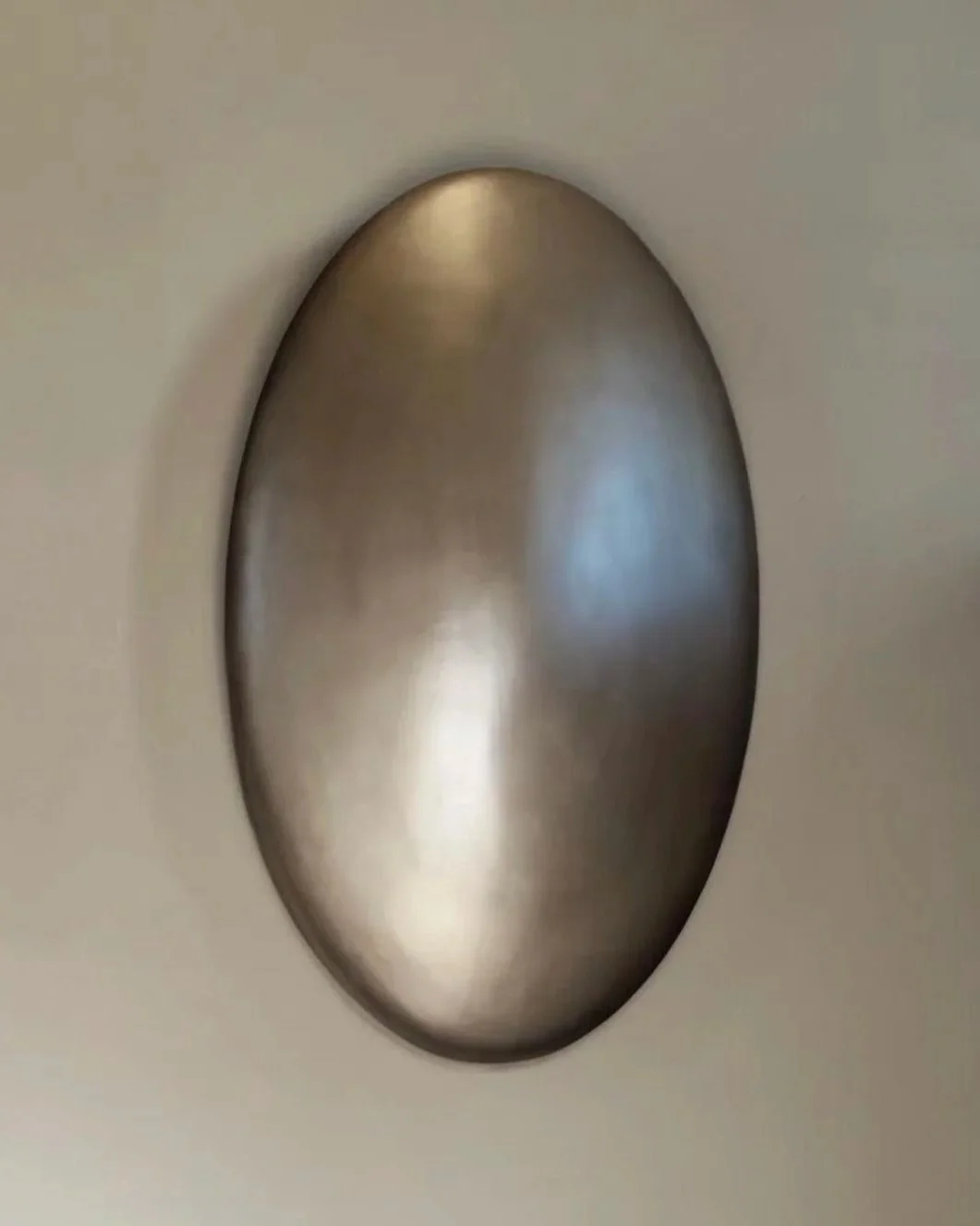
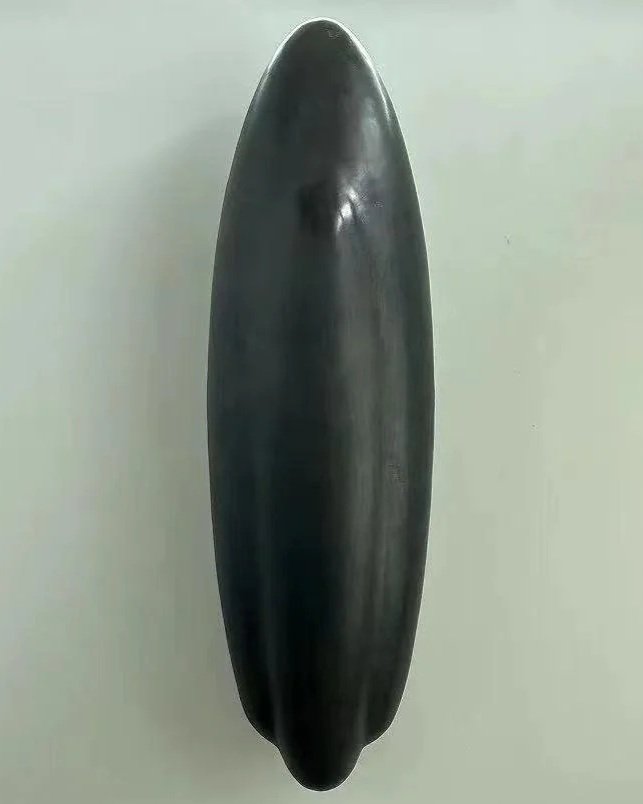
物演 Y02 |Evolution Y02
2021
Lacquer, Polystyrene, Ramie
160 x 100 x 30 cm
物演 M次方 03 |Evolution M² 03
2022
Lacquer, Polystyrene, Ramie, Metal foil
200 x 70 x 70 cm
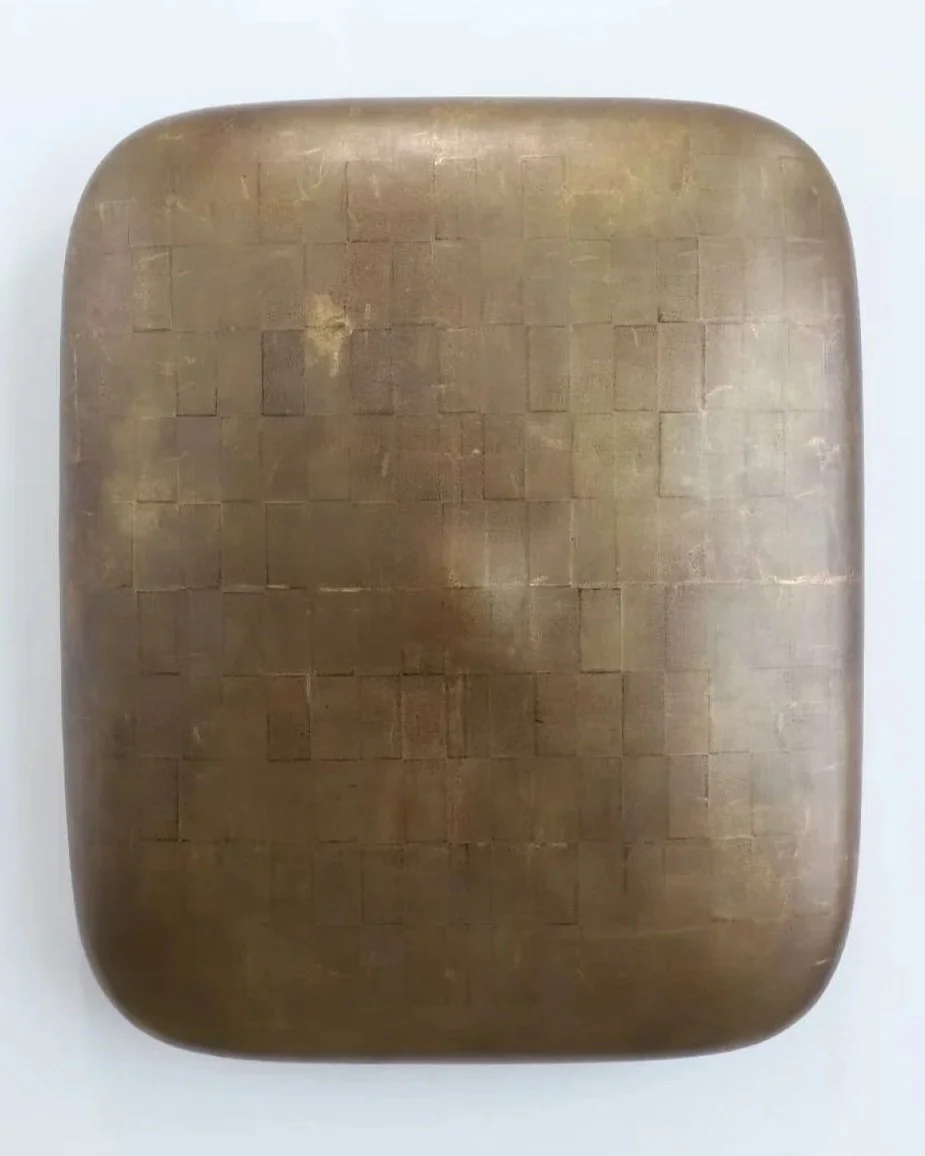
物演 M.M02 | Evolution M.M02
2025
Lacquer, Hemp fiber, Polystyrene
120 x 100 x 30 cm
Xu Jiaying | 徐家赢
臼形器 | Mortar-shaped vessel
2025
Lacquer, Tile ash, Hemp cloth
70 x 30 x 45 cm
耒几 | Lei table
2025
Lacquer, Tile ash, Hemp cloth, Polystyrene
92 x 86 x 77 cm
谷雨 | “Guyu” (Grain Rain)
2024
Lacquer, Resin, Bamboo leaves, Carbon powder, Lacquer ash, Hemp cloth, Gold leaf
Lacquer, Resin, Bamboo leaves, Tin powder, Carbon powder, Pearstone powder, Lacquer ash, Gold leaf
21 x 21 x 12 cm
27 x 27 x 16 cm
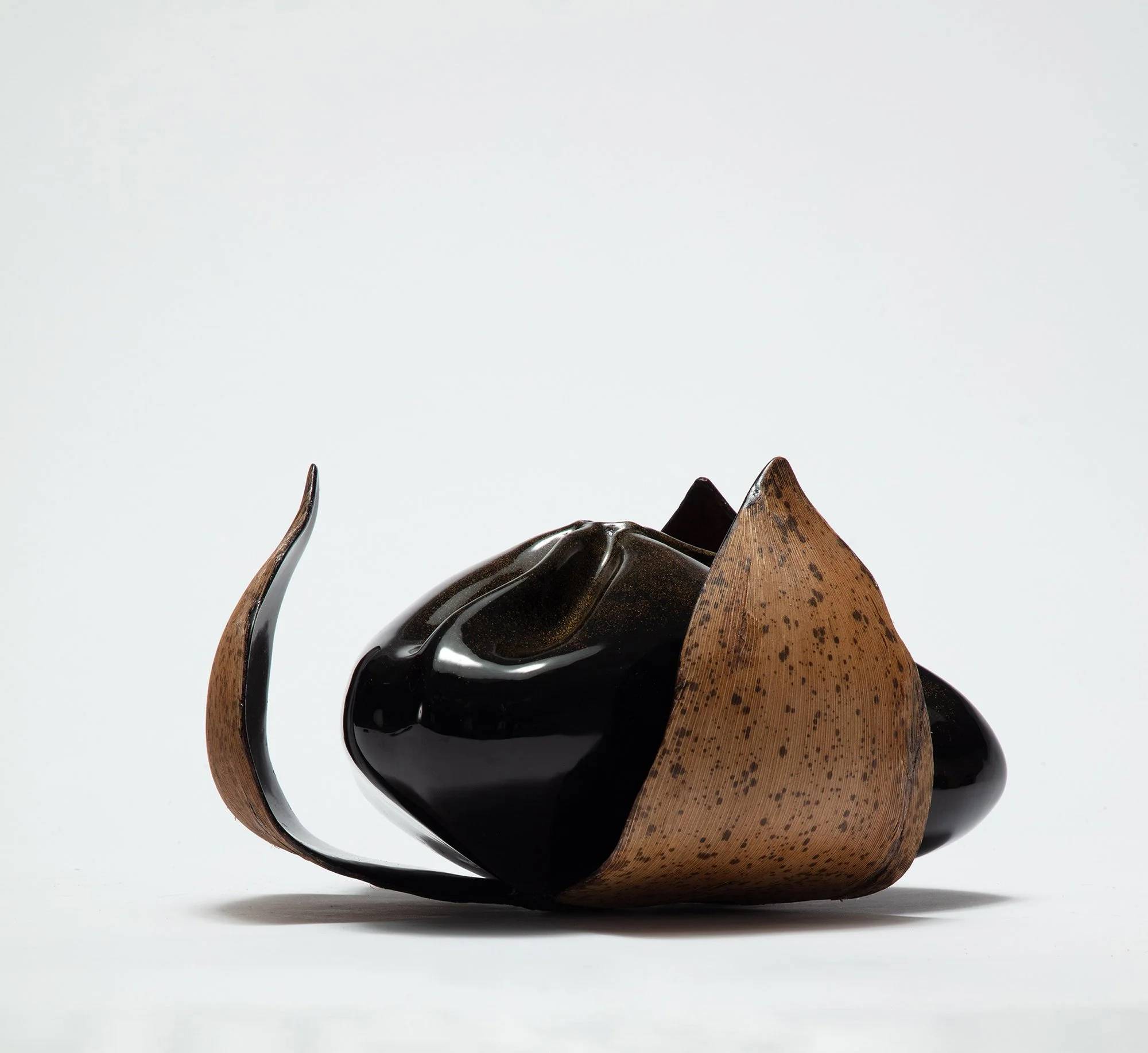
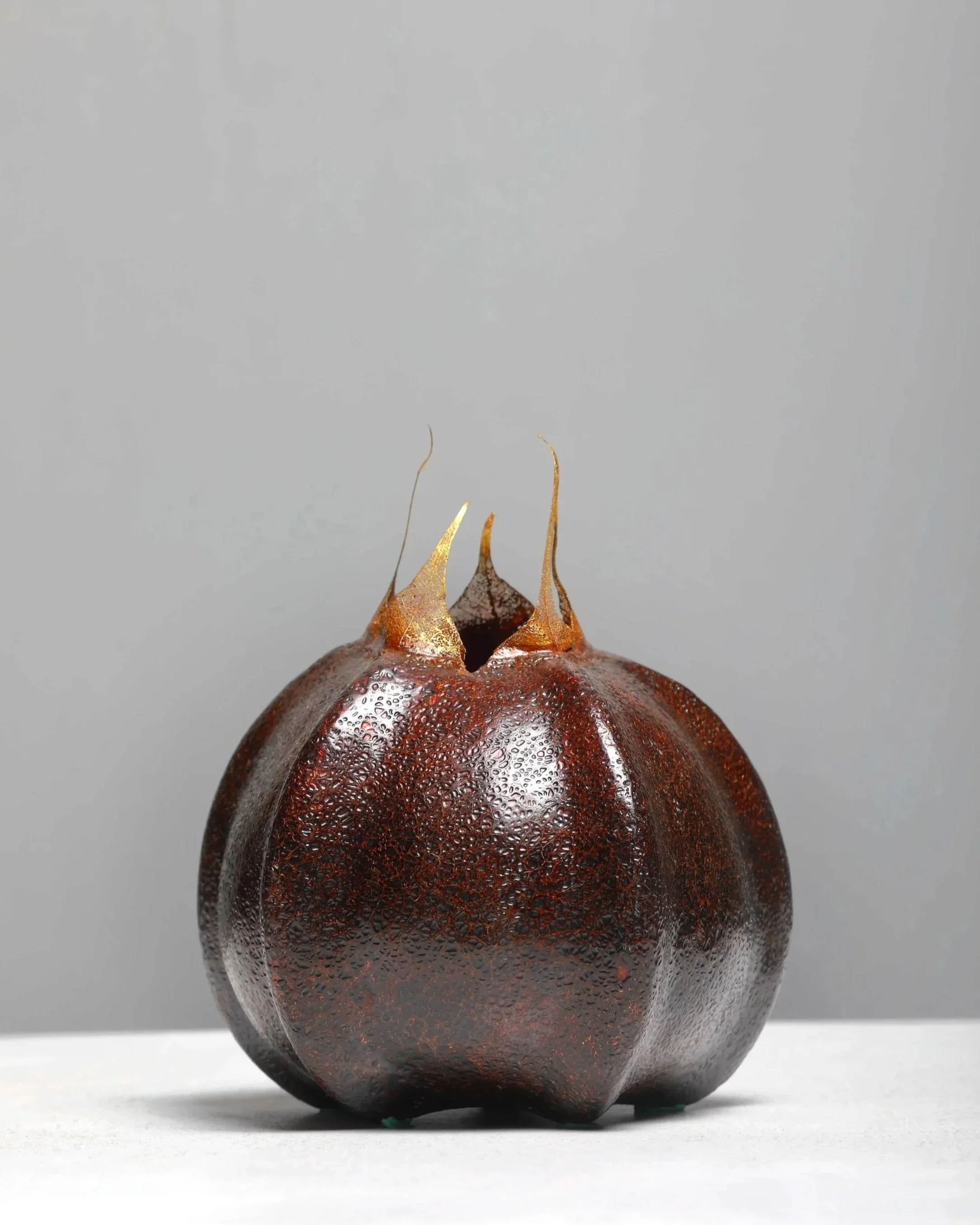
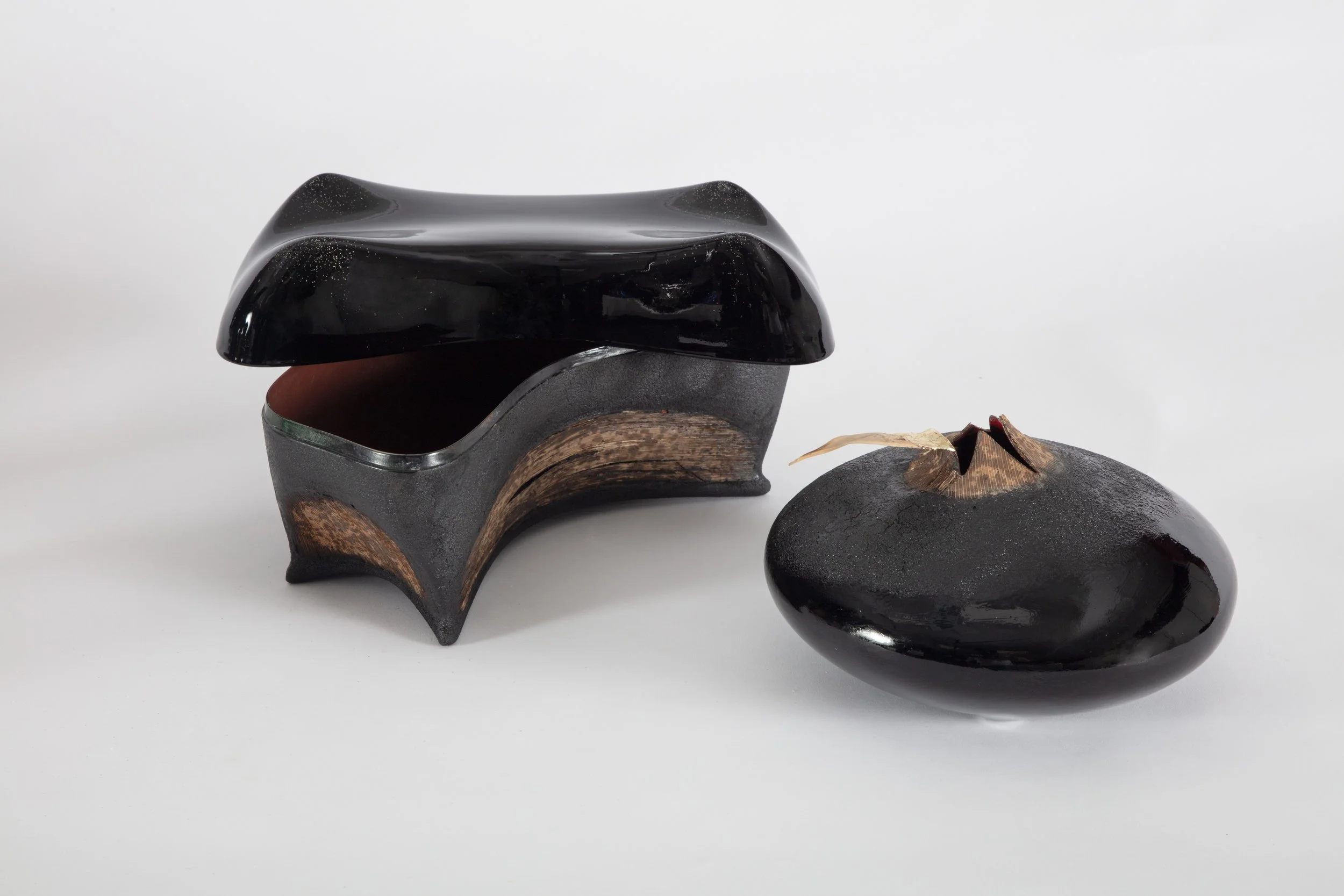
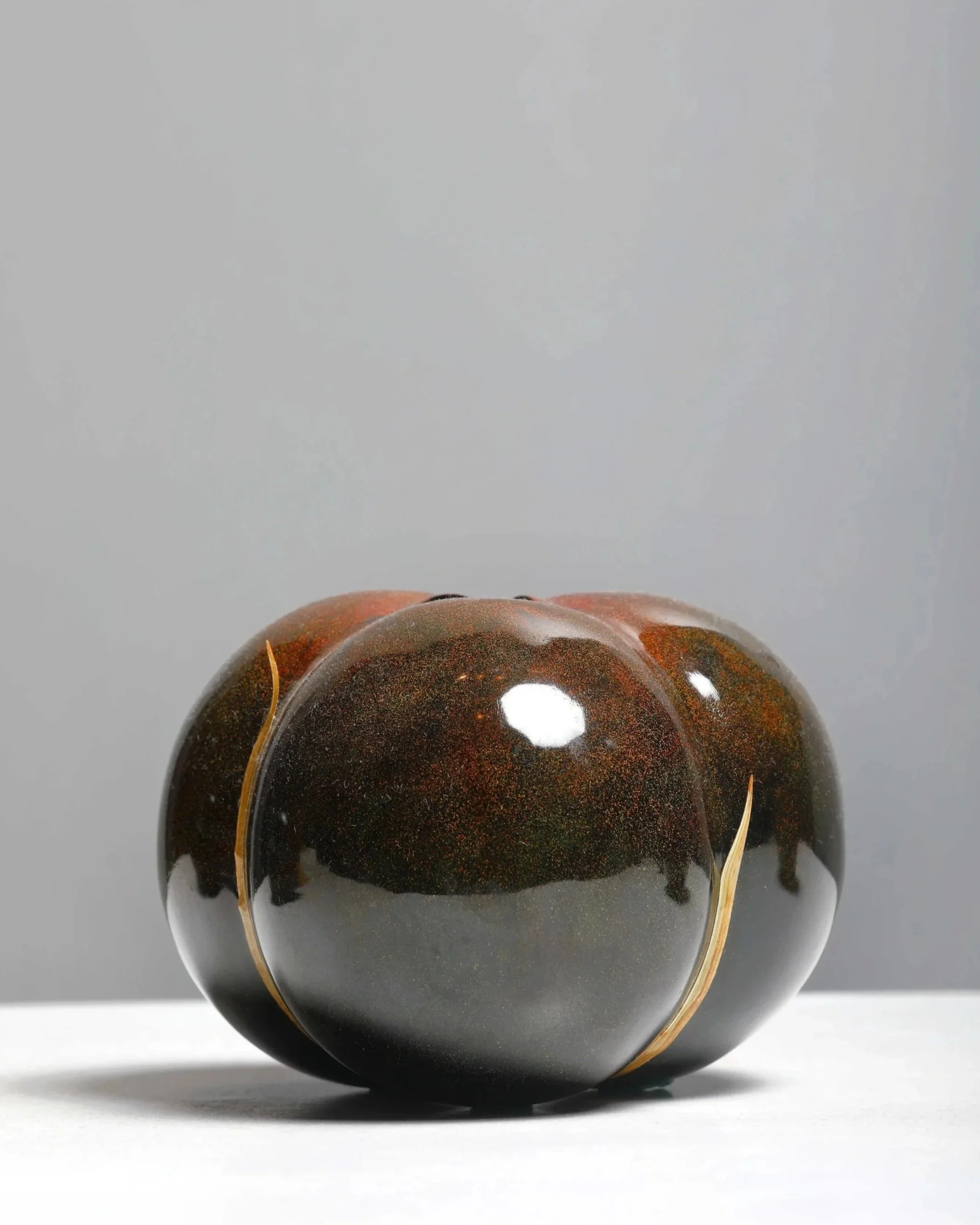
惊蛰 | “Jingzhe” (Awakening of Insects)
2024
Lacquer, Resin, Bamboo leaves, Lacquer powder, Carbon powder, Lacquer ash, Hemp cloth, Gold leaf
26 x 26 x 16 cm
Xu Jiaying (b. 1996) is a conservator and lacquer artist currently teaching at the Zhejiang Art Vocational Academy. With over a decade of experience in the restoration of ancient artifacts and lacquer creation, she builds her practice upon the foundation of Eastern cultural systems. Using visual aesthetics as an entry point, Xu integrates traditional elements into a contemporary context to interpret Eastern philosophy and the profound perceptions of life and continuity.
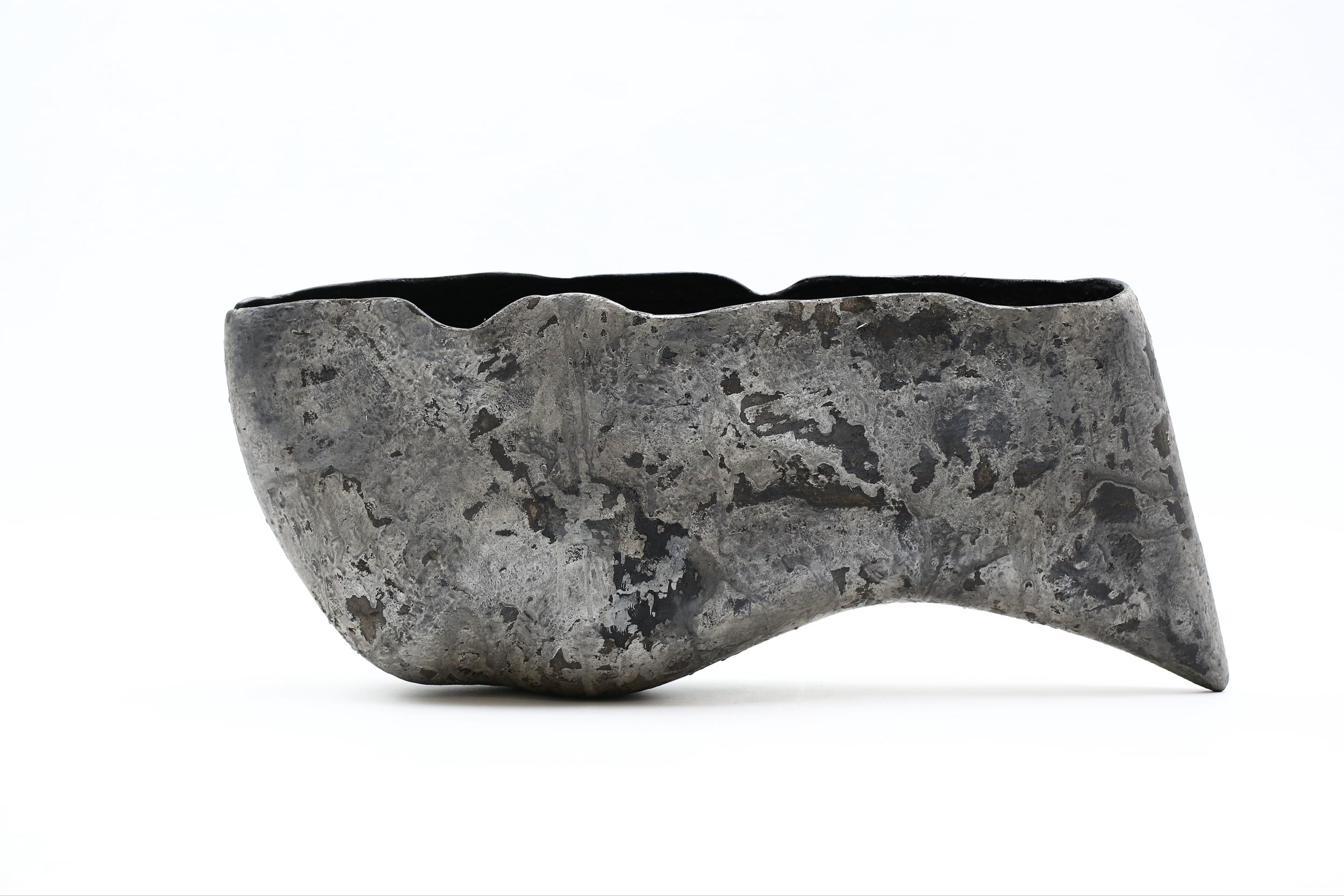
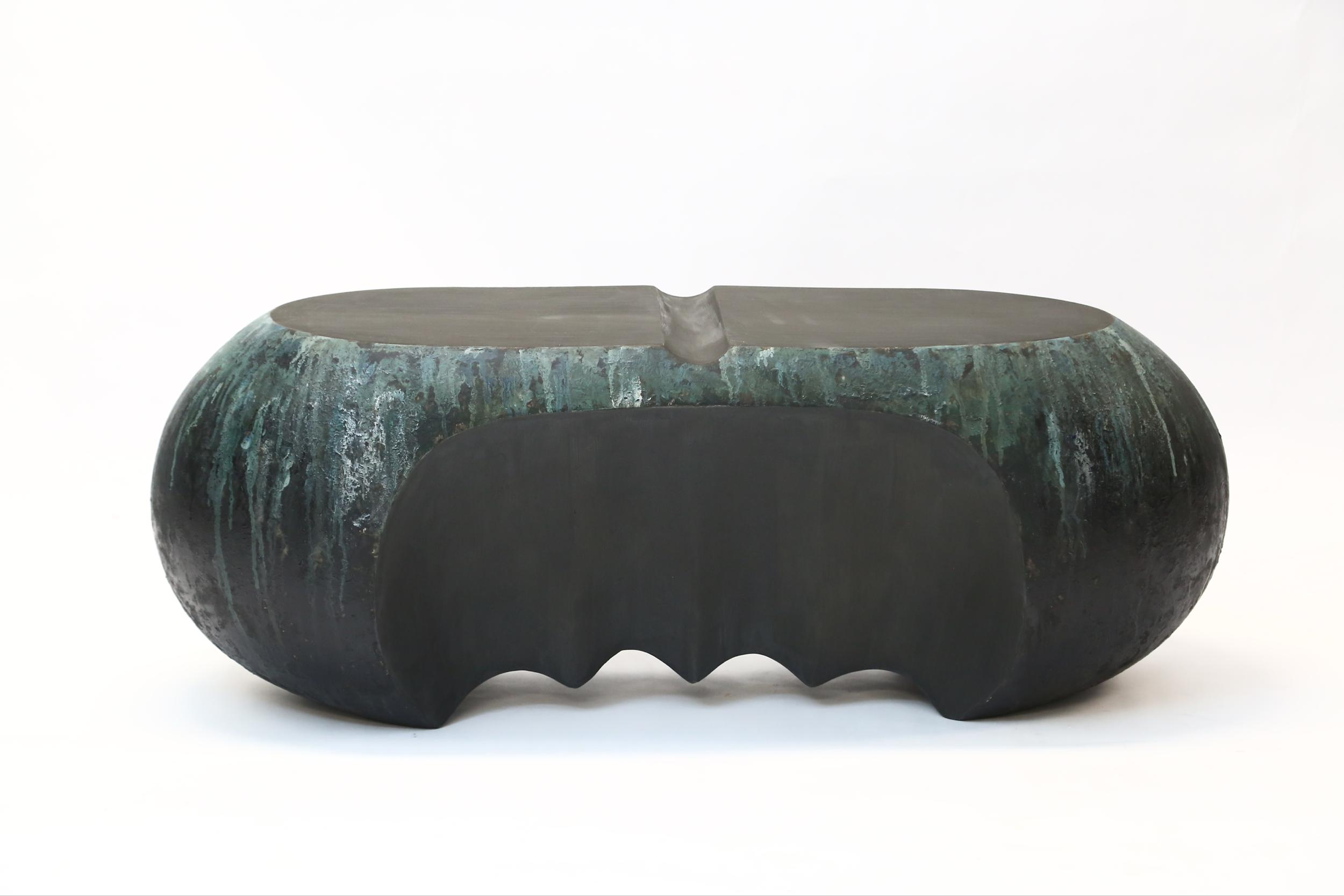
鬲器 | Li vessel
2025
Lacquer, Tile ash, Hemp cloth
56 x 14 x 24 cm
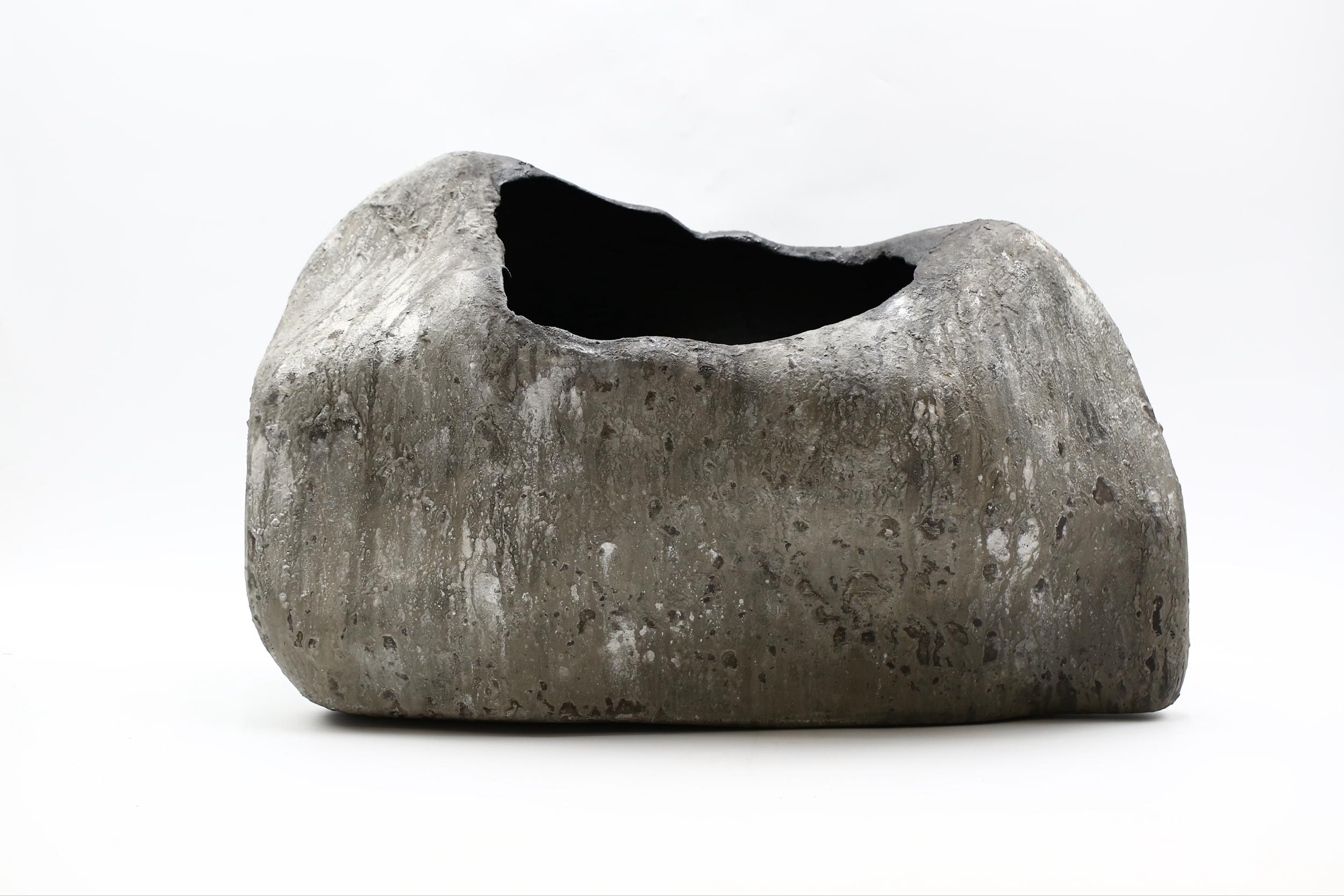
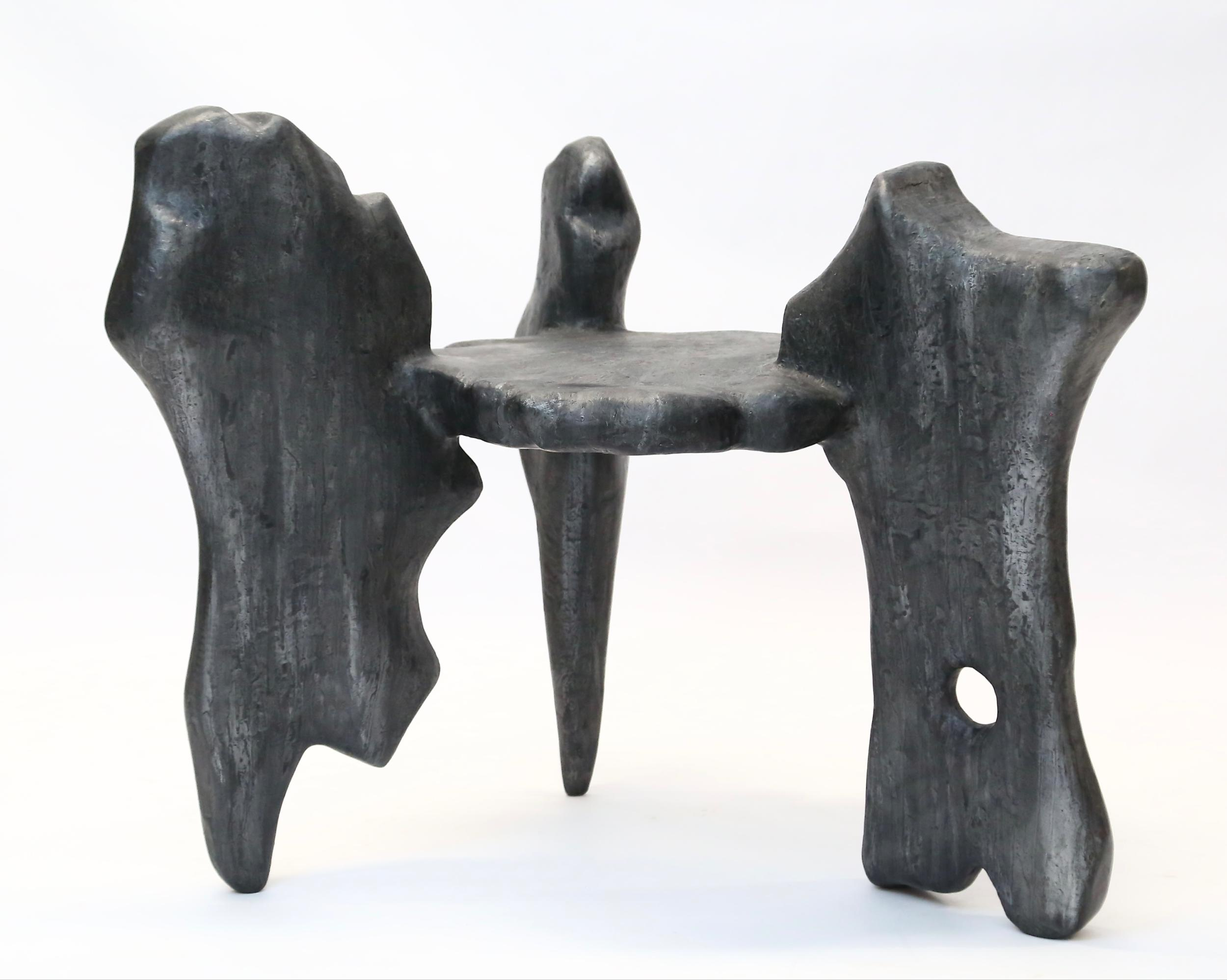
勾云几 | Gouyun table
2025
Lacquer, Tile ash, Hemp cloth, Polystyrene
113 x 43 x 42 cm
Yao Bangliang | 姚邦亮
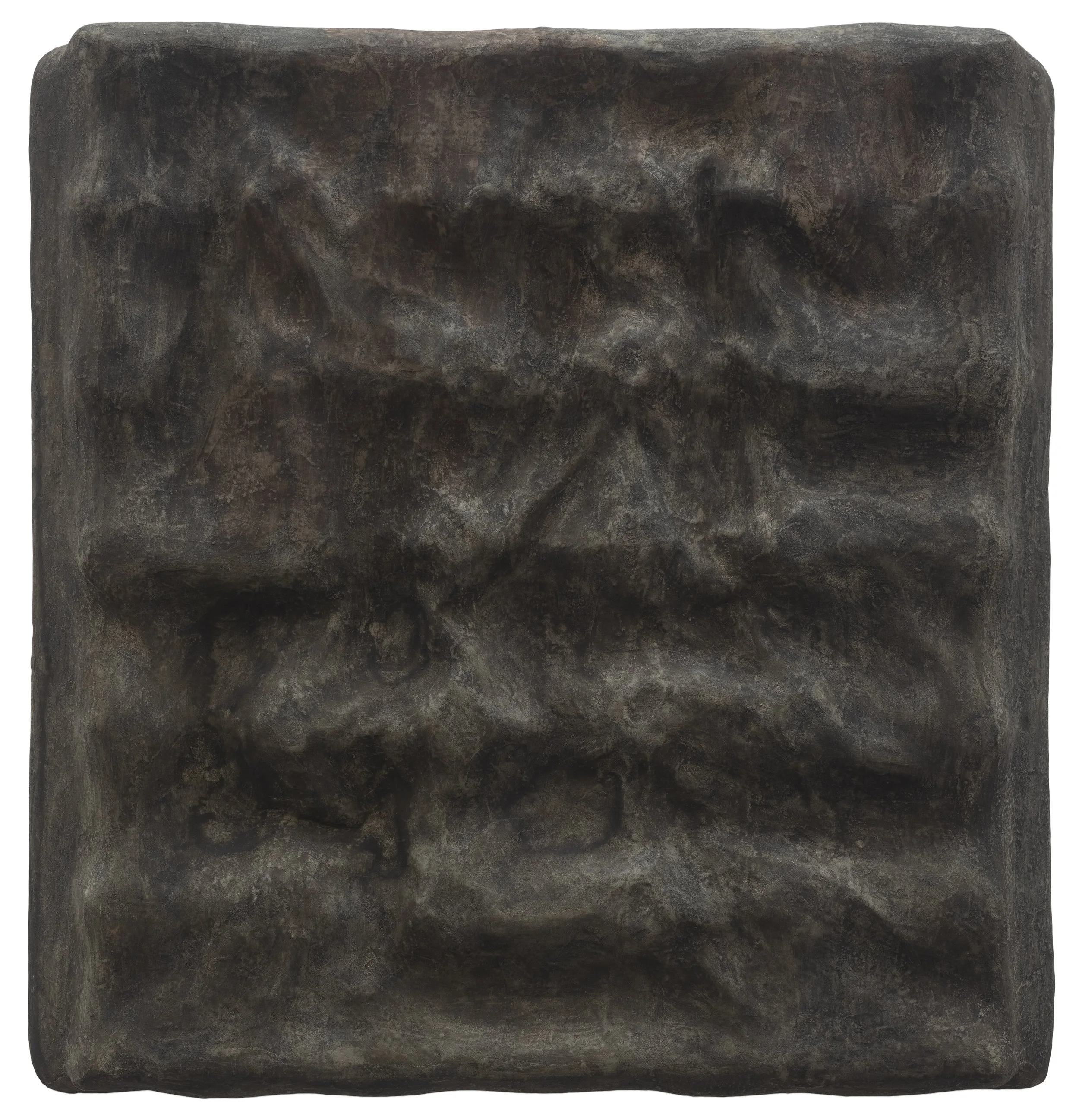
Yao Bangliang’s artistic practice has undergone a significant transformation from pictorial schemata to a material-centered approach. In recent years, he has moved away from narrative representation to delve into the primal colors and textures inherent in lacquer. By manipulating material luster and form, Yao explores the dynamic relationship between his work, light, and space. His creations employ a subtle and nuanced visual language to manifest the "silent dialogue" between objects and viewers within a shared environment, constructing profound spatial volume through minimalist material forms.
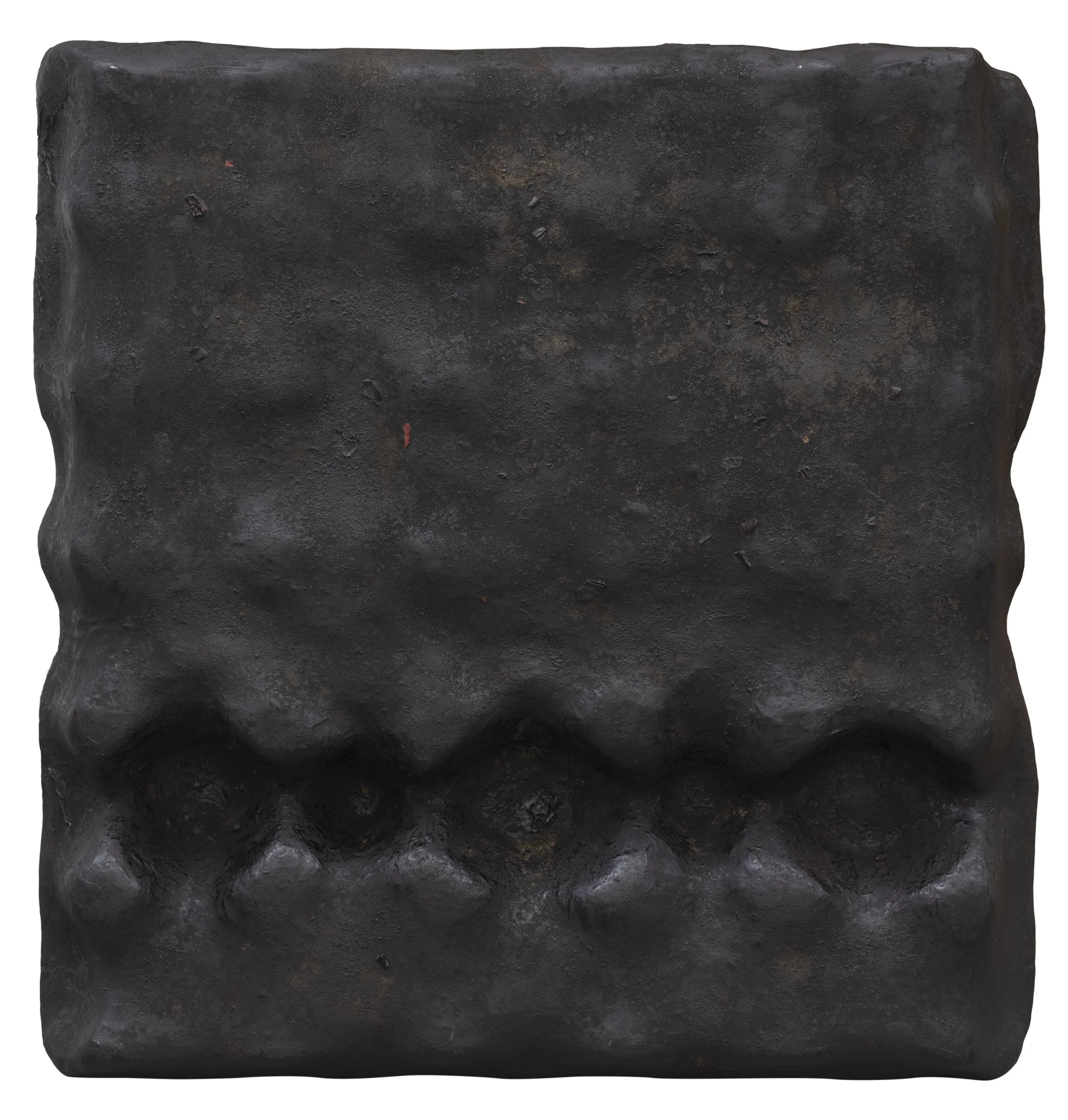
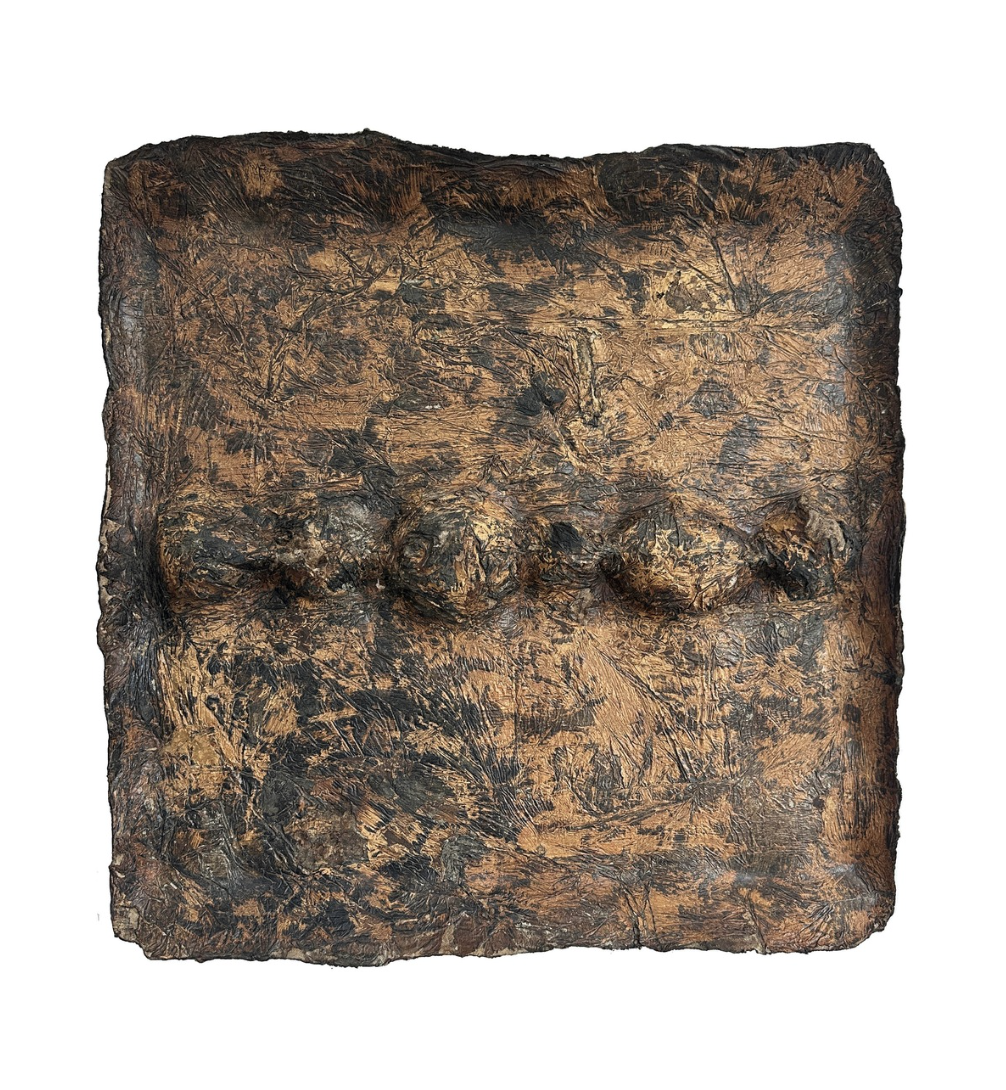
肤系列 2025-2| Skin Series 2025-2
2025
Lacquer, Tile ash, Cotton cloth
100 × 100 cm
肤系列 2025-3| Skin Series 2025-3
2025
Lacquer, Tile ash, Cotton cloth
100 × 100 cm
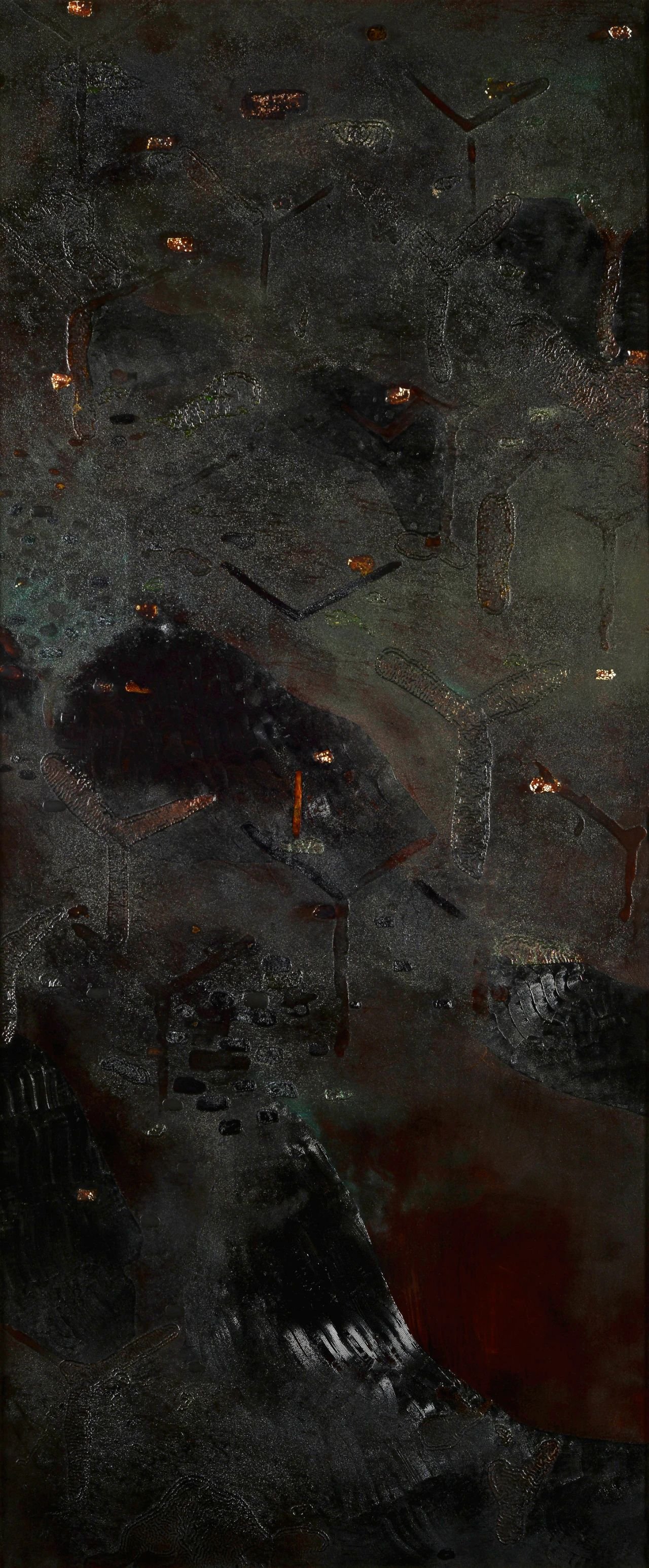
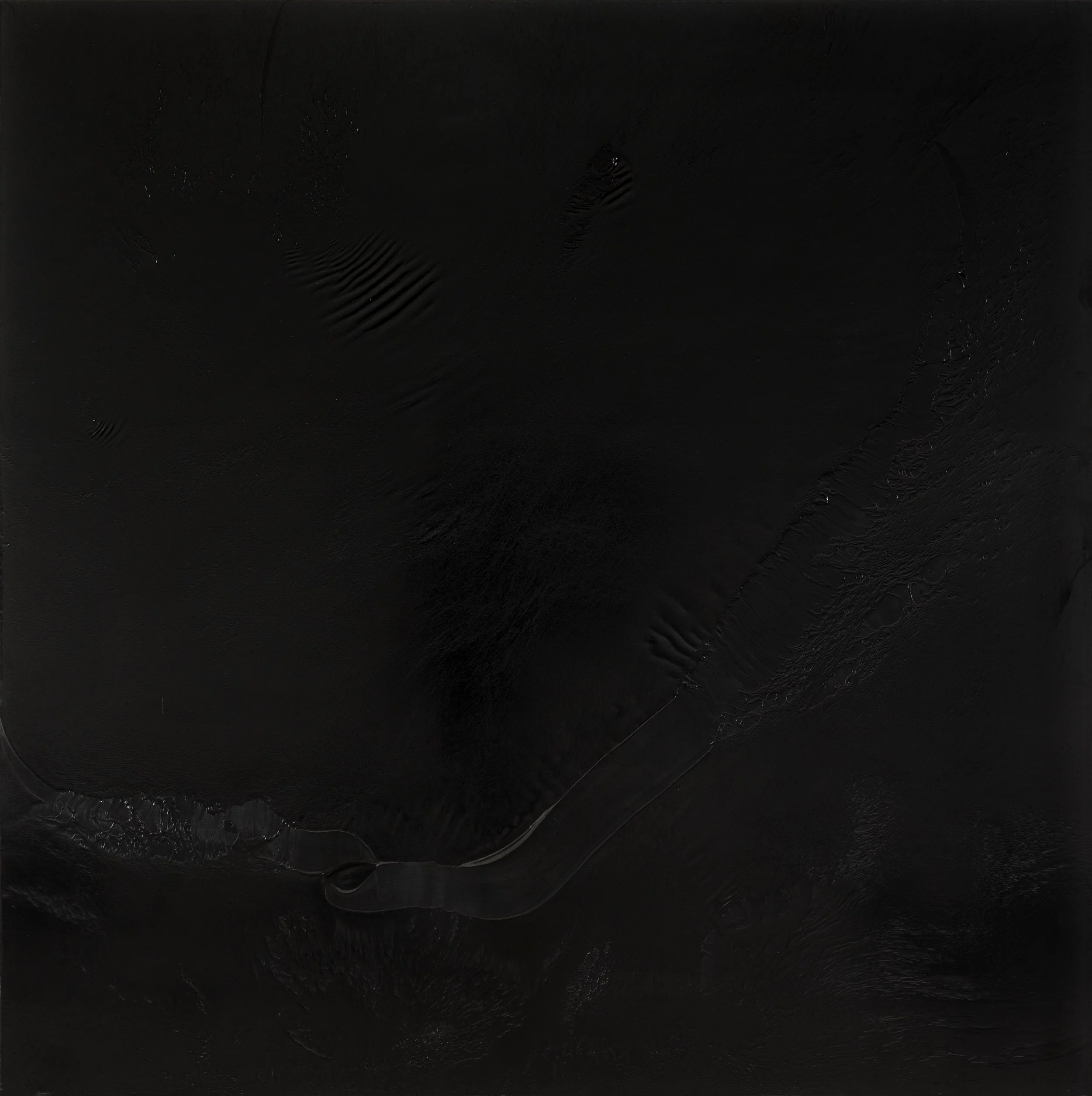
山涧溪流| Mountain Stream
2015
Lacquer, Tile ash, Foil
80 × 190 cm
肤系列 2025-4| Skin Series 2025-4
2025
Lacquer, Tile ash, Cotton cloth
120 × 120 cm
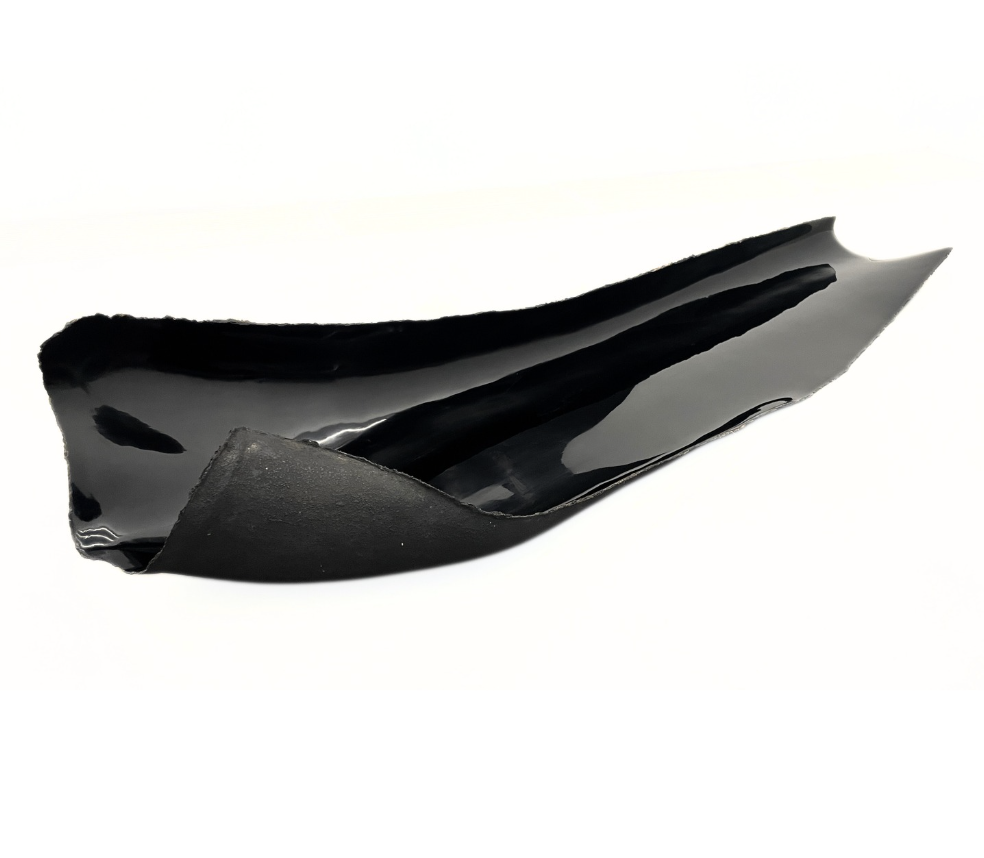
拂野 | Sweeping the Wilds
2025
Lacquer, Tile ash, Cotton cloth
200 × 200 cm
舟系列 2025-01 | Boat Series 2025-1
2025
Lacquer, Tile ash, Cloth
255 × 70 × 40 cm
Zhong Sheng | 钟声
Zhong Sheng (b. 1971) is a pivotal figure in contemporary Chinese lacquer art, dedicated to breaking the boundaries of traditional craft through the fusion of material and concept. By interlacing natural lacquer with diverse media such as metal powder, mother-of-pearl, and turquoise, he reshapes texture and light to unearth the expressive potential of the medium. Zhong’s work represents a critical re-examination of traditional craftsmanship, demonstrating the profound possibilities of lacquer as a distinct and vital language within the field of contemporary art.
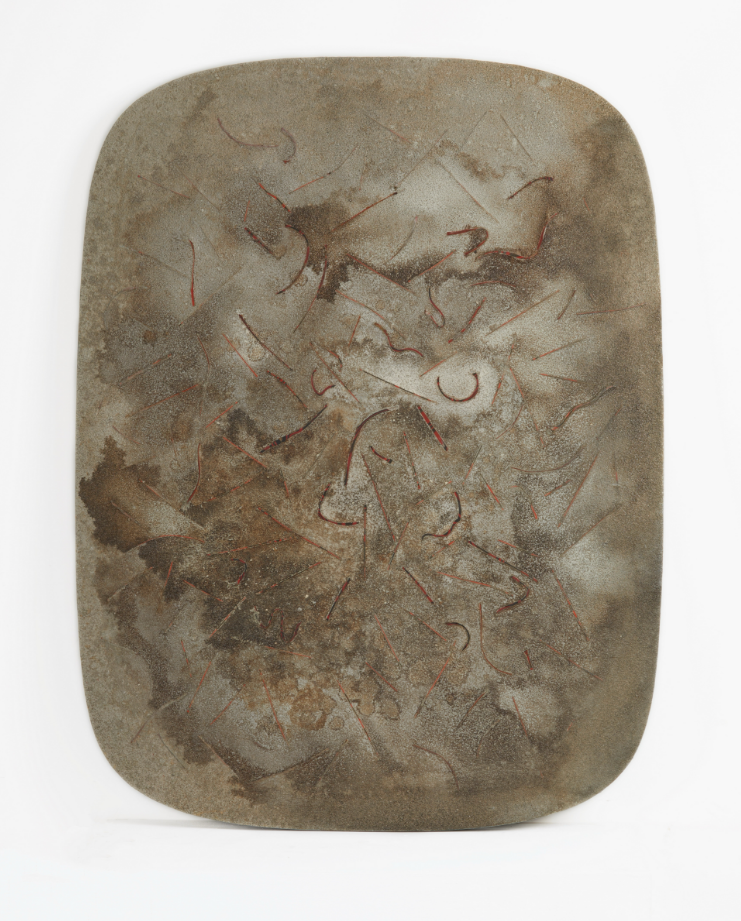
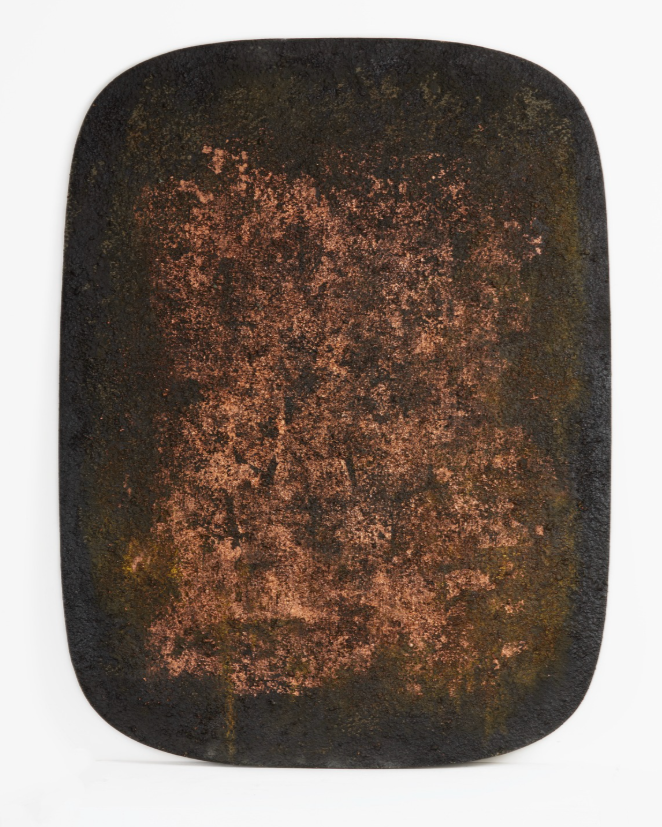
卷怀 | Rolled Embrace
2024
Lacquer, Carved lacquer compound (bodiless lacquer technique)
146.5 x 111 x 5.5 cm
离火之墟| Ruins of the Departed Fire
2026.2
Lacquer, Deer-horn ash (bodiless lacquer technique)
145 x 110 x 2 cm
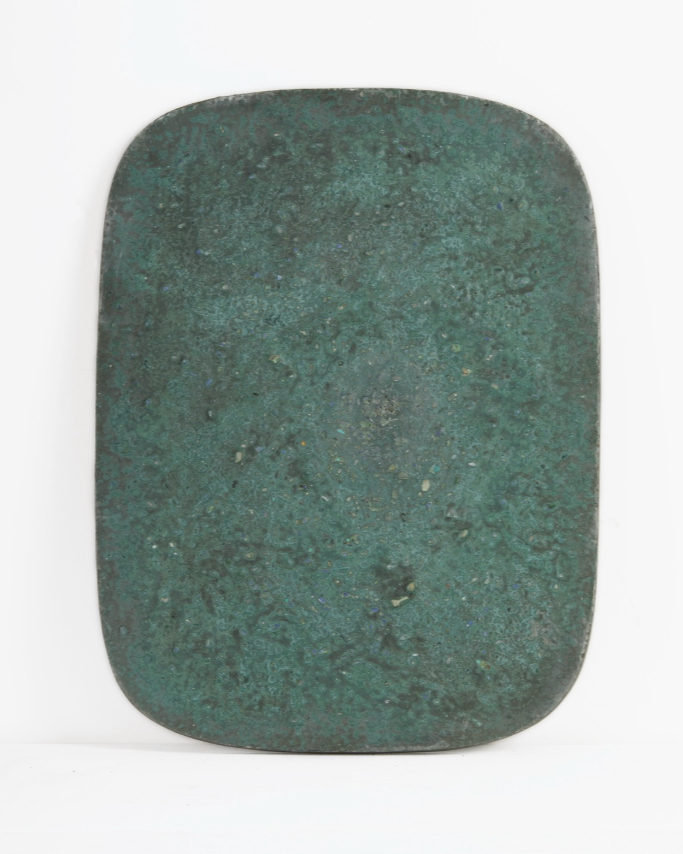
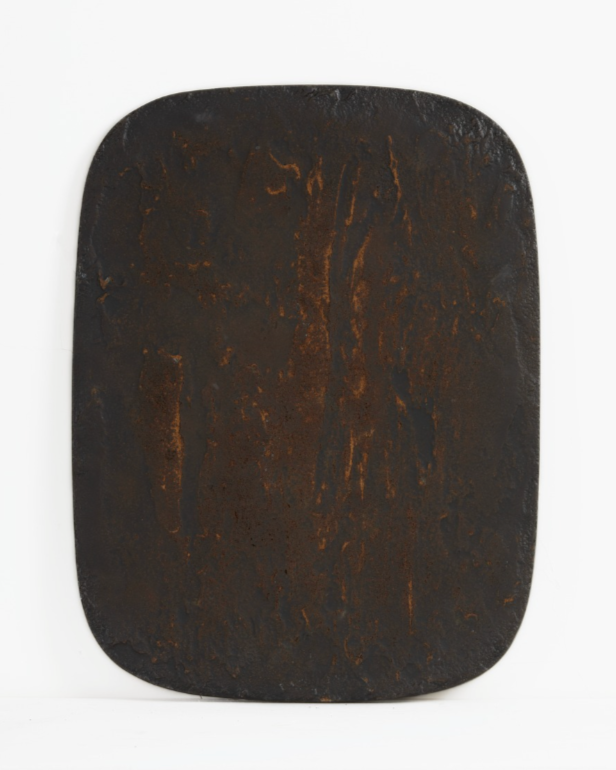
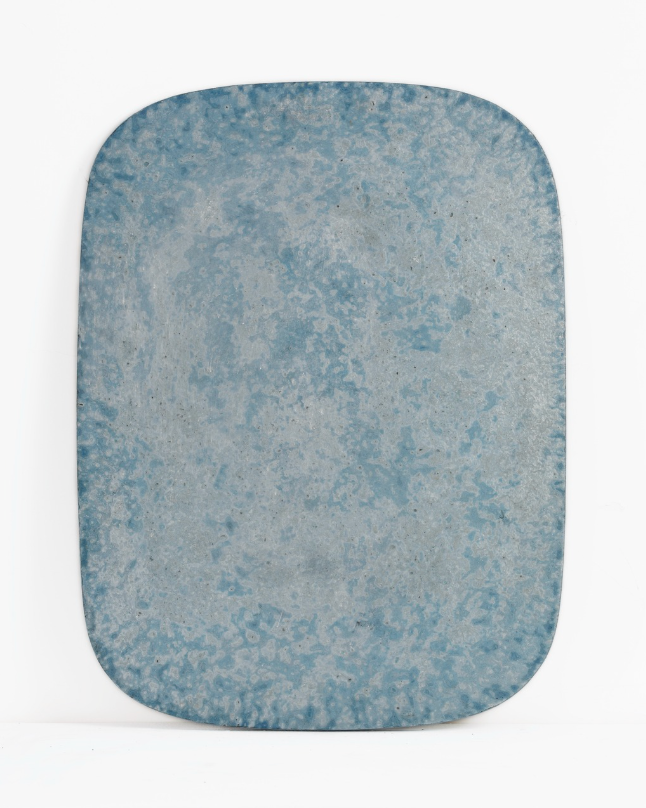
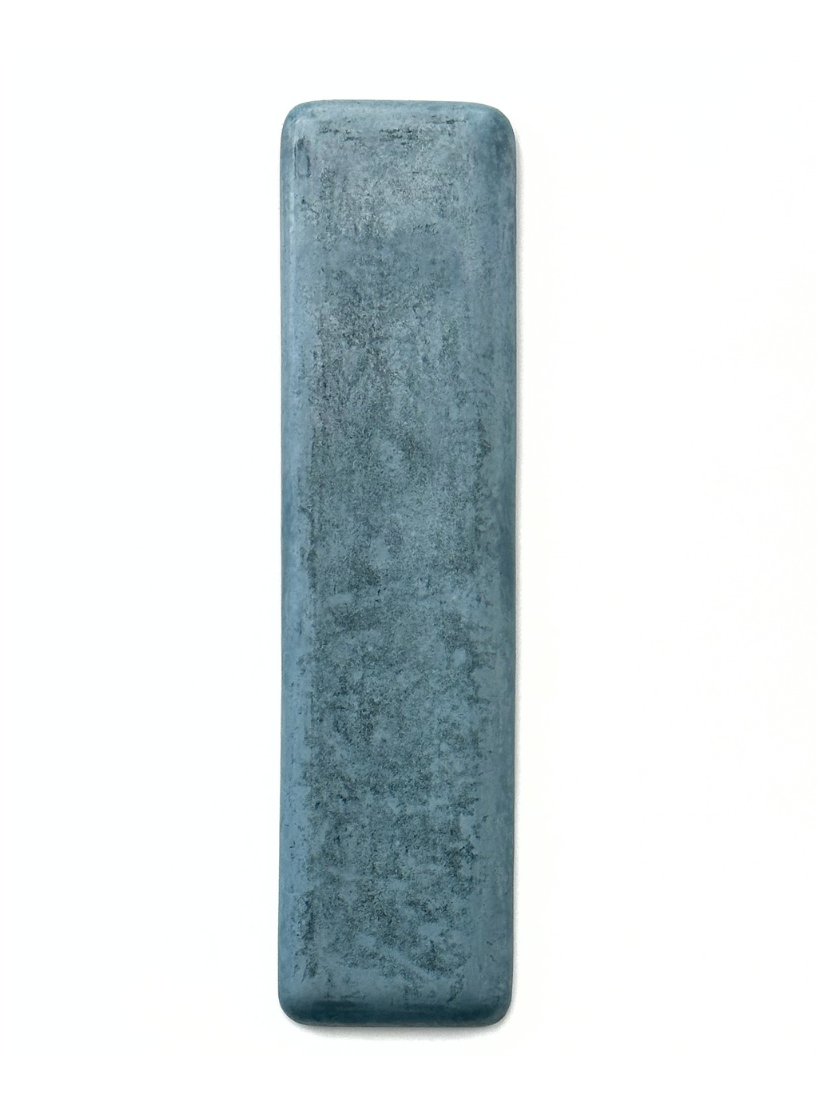
清凉石·2 | Cool Stone·2
2026.2
Lacquer, Turquoise (bodiless lacquer technique)
60 x 45.6 x 2 cm
青琅序 |
2022
Hemp cloth, Lacquer, Colored lacquer, Tile ash, Turquoise, Metal powder
238 x 61 x 11cm
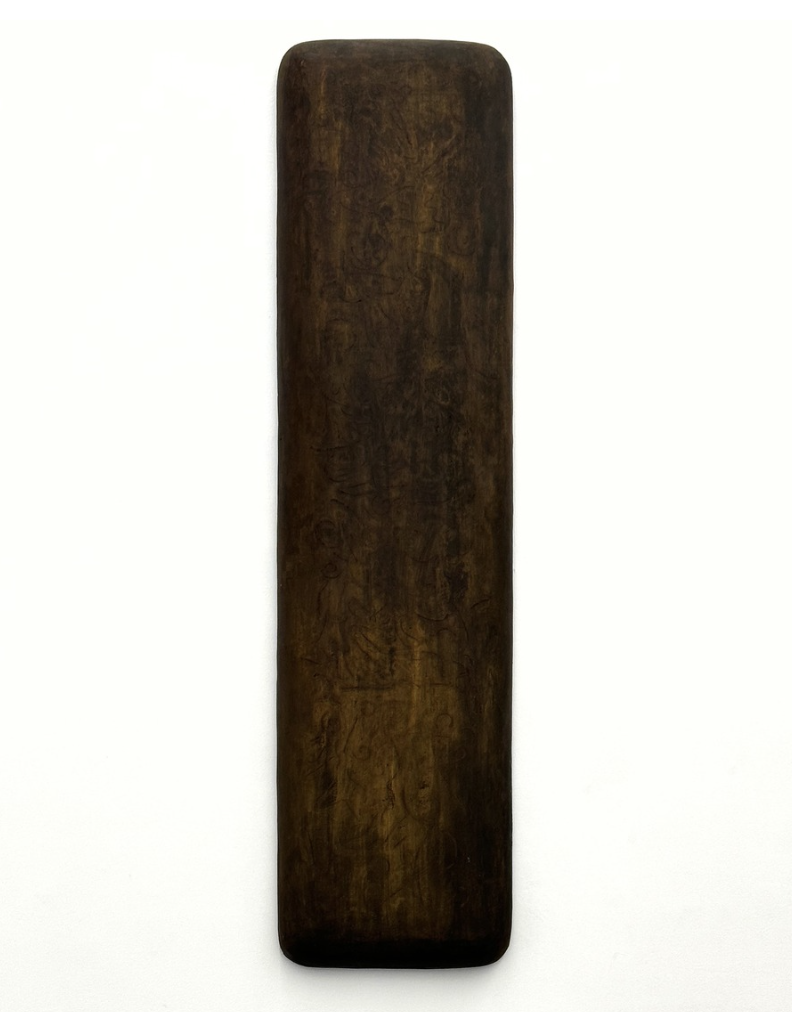
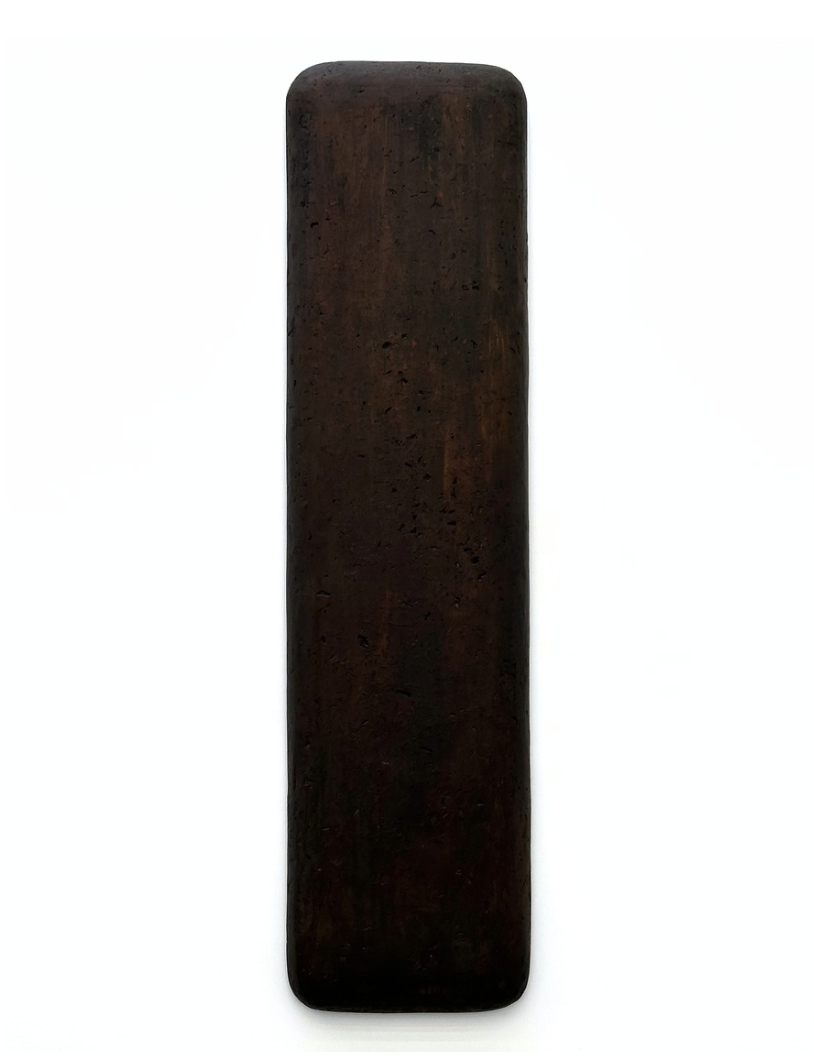
春秋|
2022
Hemp cloth, Lacquer (bodiless technique), Carved lacquer compound, Metal powder
238 x 61 x 11cm
百舸 |
2022
Raw lacquer, Hemp cloth, Ash, Lacquer residue
238 x 61 x 11cm
墨嶂 | Ink Screen
2026.2
Lacquer, Deer-horn ash (bodiless lacquer technique)
60 x 45.6 x 2 cm
碧墟 | Jade Ruins
2026.2
Lacquer, Turquoise, Deer-horn ash, Lapis lazuli, Coral (bodiless lacquer technique)
60 x 45.6 x 2 cm