
OUYANG WENDONG Solo Exhibition
A Backward Glance at Solaris
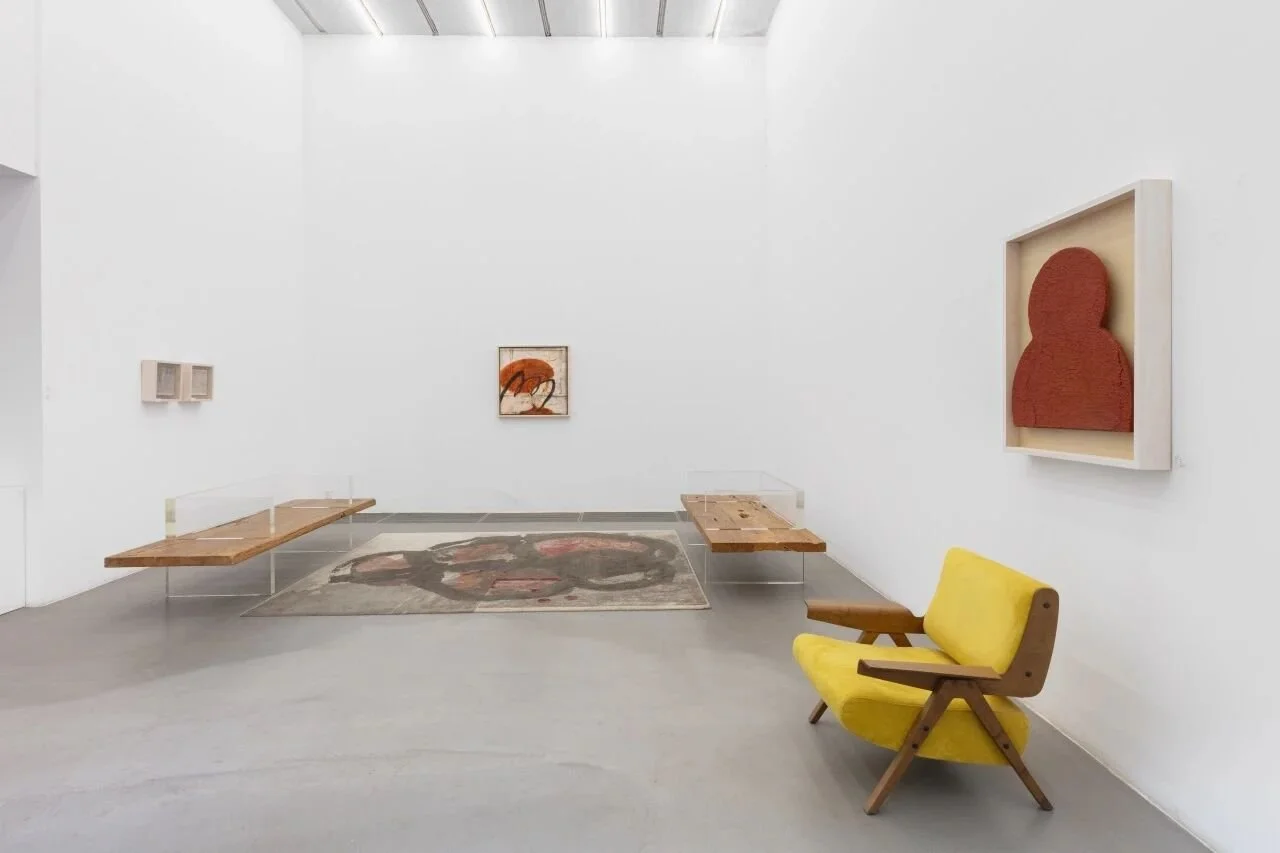
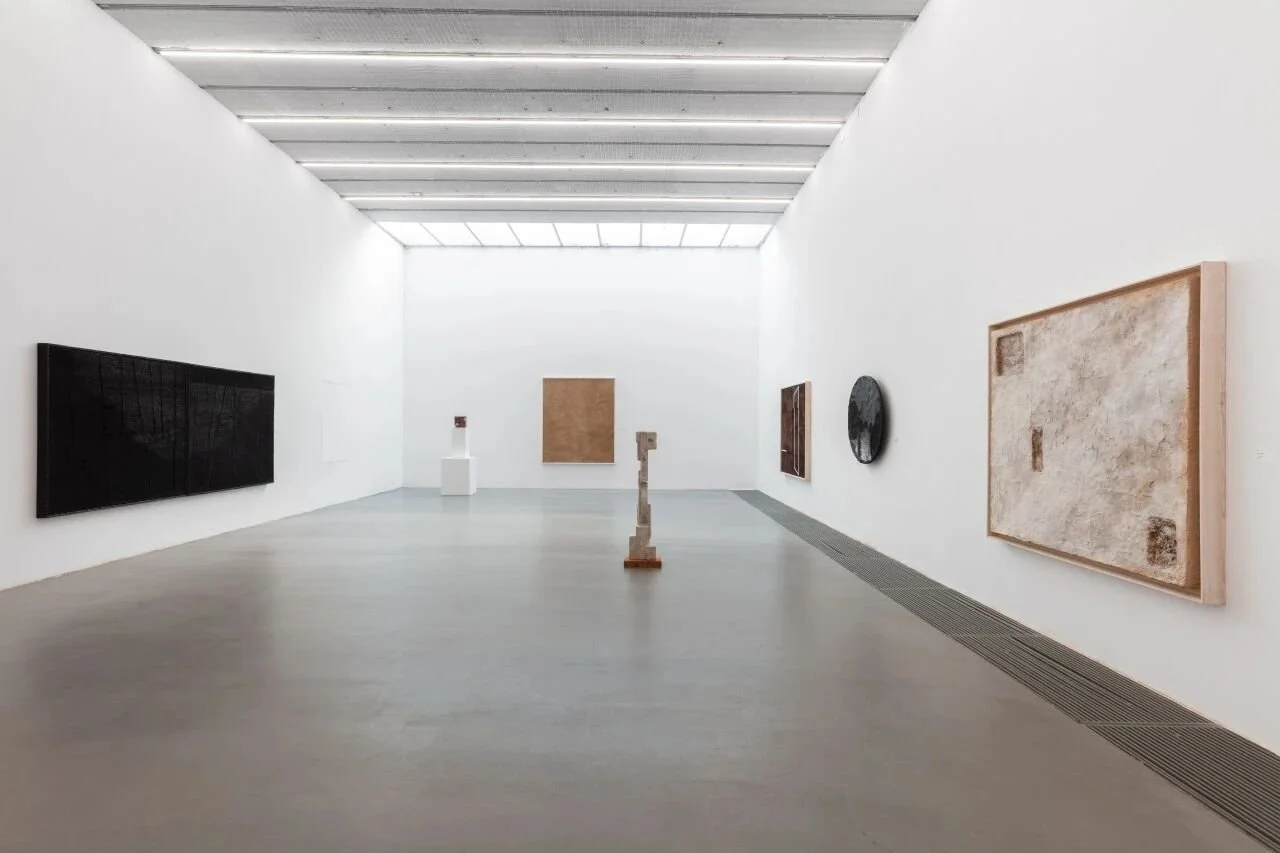
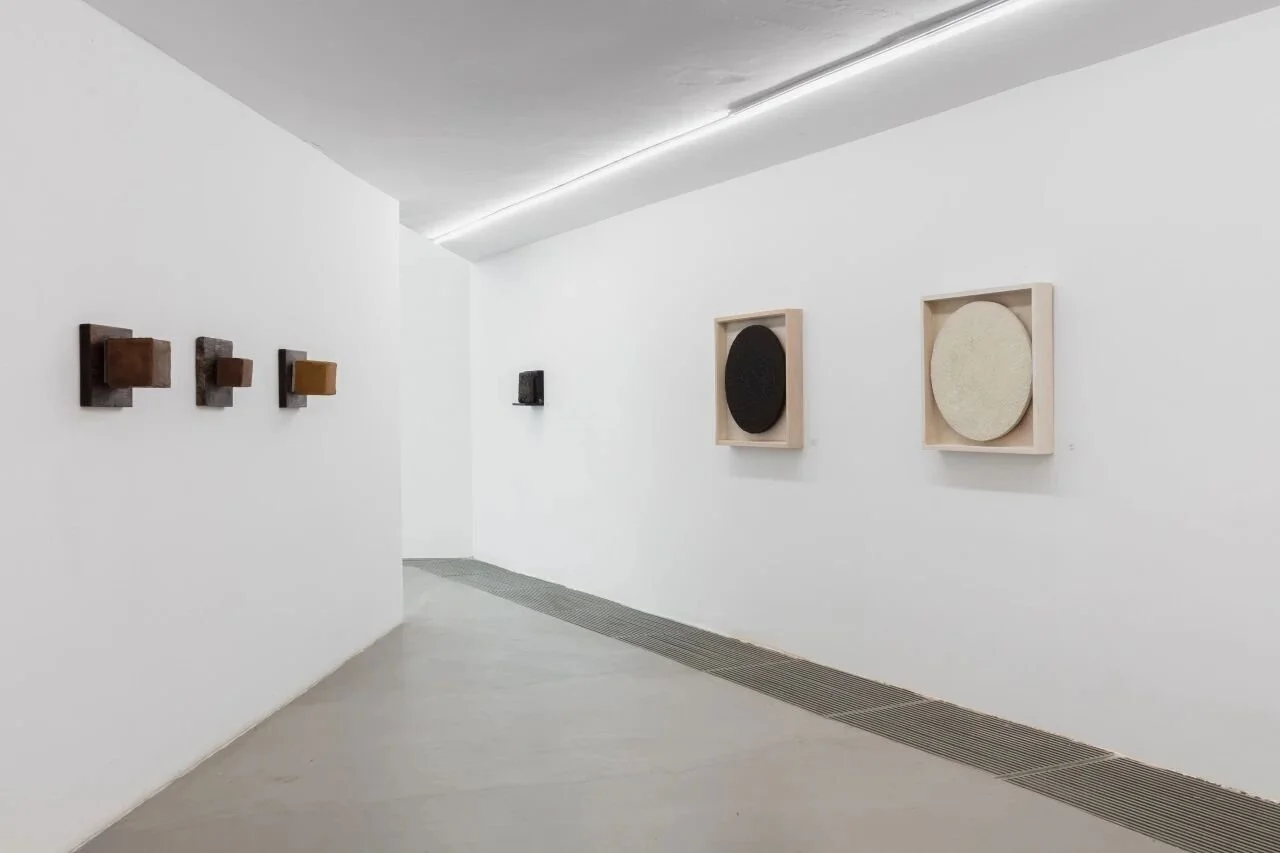
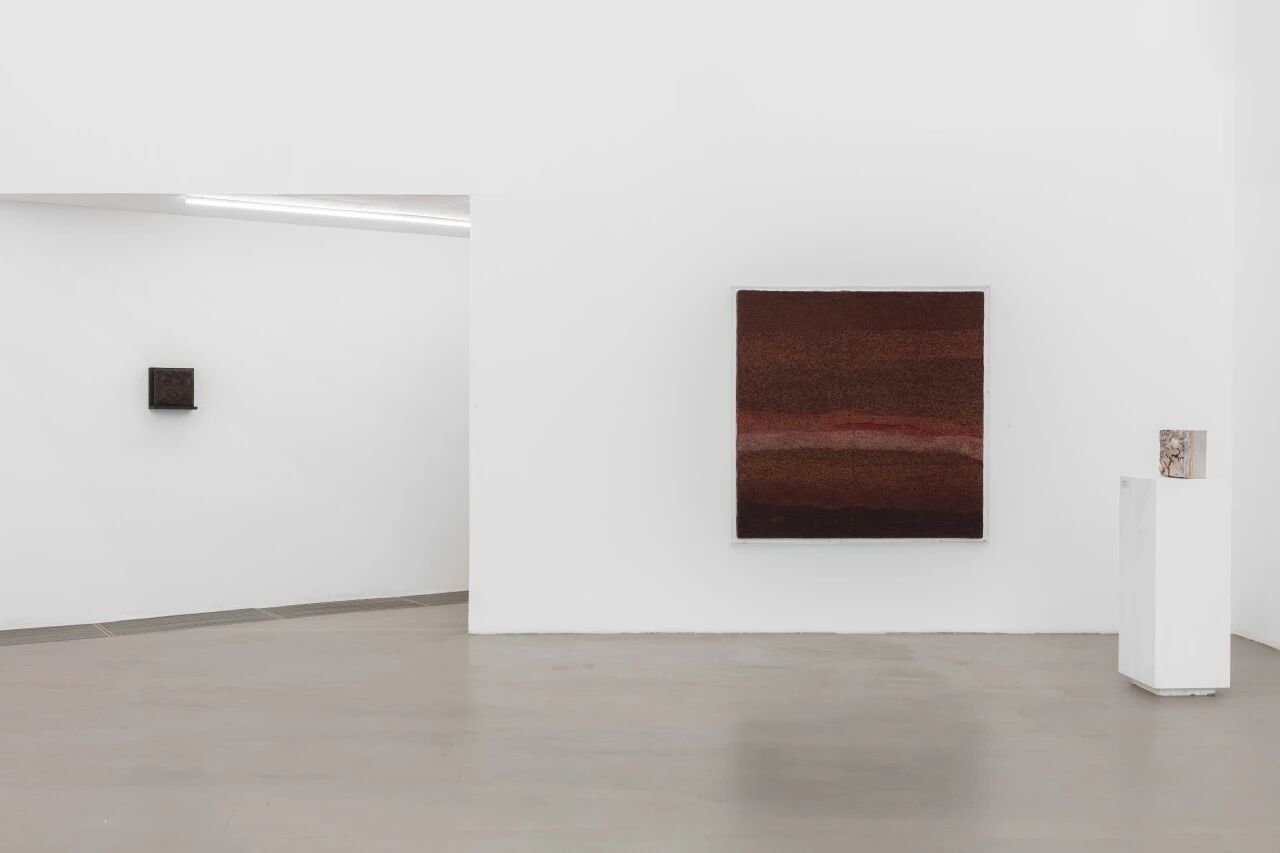
Ouyang Wendong’s artistic practice unfolds as a philosophical cultivation through the medium of incense. His solo exhibition, A Backward Glance at Solaris, can be regarded as a metaphysical exploration of memory, existence, and perception. By harnessing the ethereal and ephemeral qualities of agarwood, he evokes the unbridgeable distance between human cognition and truth. Just as the ocean of Solaris resists complete understanding, scent lingers at the very threshold of perception, forming a “fold of being”—present yet elusive.
In Ouyang’s hands, incense deconstructs the Western sculptural tradition of material worship. Within his spaces, sculpture is no longer an object to be gazed upon, but an unfolding process in which dispersal and vanishing of fragrance participate in the constitution of subjectivity. This gesture resonates with Jean-Luc Nancy’s theory of the haptique—“tactile vision”—while extending perception further into the olfactory realm, opening toward a “phenomenology of scent.” The viewer is summoned to engage with the work through the entirety of the body’s senses, re-mapping space with each breath.
At the core of Ouyang’s concern lies a critique of modern sensory mechanisms. Through the revival of incense-blending rituals, he seeks to restore the integrity of the senses that have been fractured by instrumental rationality. The transformation and decay of incense in time stand as a refusal of permanence, while offering a contemporary response to the Eastern philosophy of qi-hua—the belief that all things emerge and transmute through breath. In this view, there is no fixed being, only eternal becoming.
This body of work constructs a Zen-inflected “negative space”: fragrance is perceptible yet ungraspable, present yet ungrounded, suspended between presence and absence. Such paradoxical experience recalls Theodor Adorno’s assertion that “art becomes art by negating itself.” Through the self-effacement of scent, Ouyang surpasses the materiality of art objects and enacts a contemporary translation of the Buddhist concept of śūnyatā—emptiness as a mode of insight.
Ultimately, the exhibition takes shape as a ritual without idols. Guided by fragrance, the audience enters a path of introspection, navigating a labyrinth of scent in search of a lost spiritual homeland. In this gesture, Ouyang Wendong proposes a new paradigm of art: one that is no longer about the creation of objects, but about the cultivation of a “philosophical breath”—a poetic measure of existence itself.
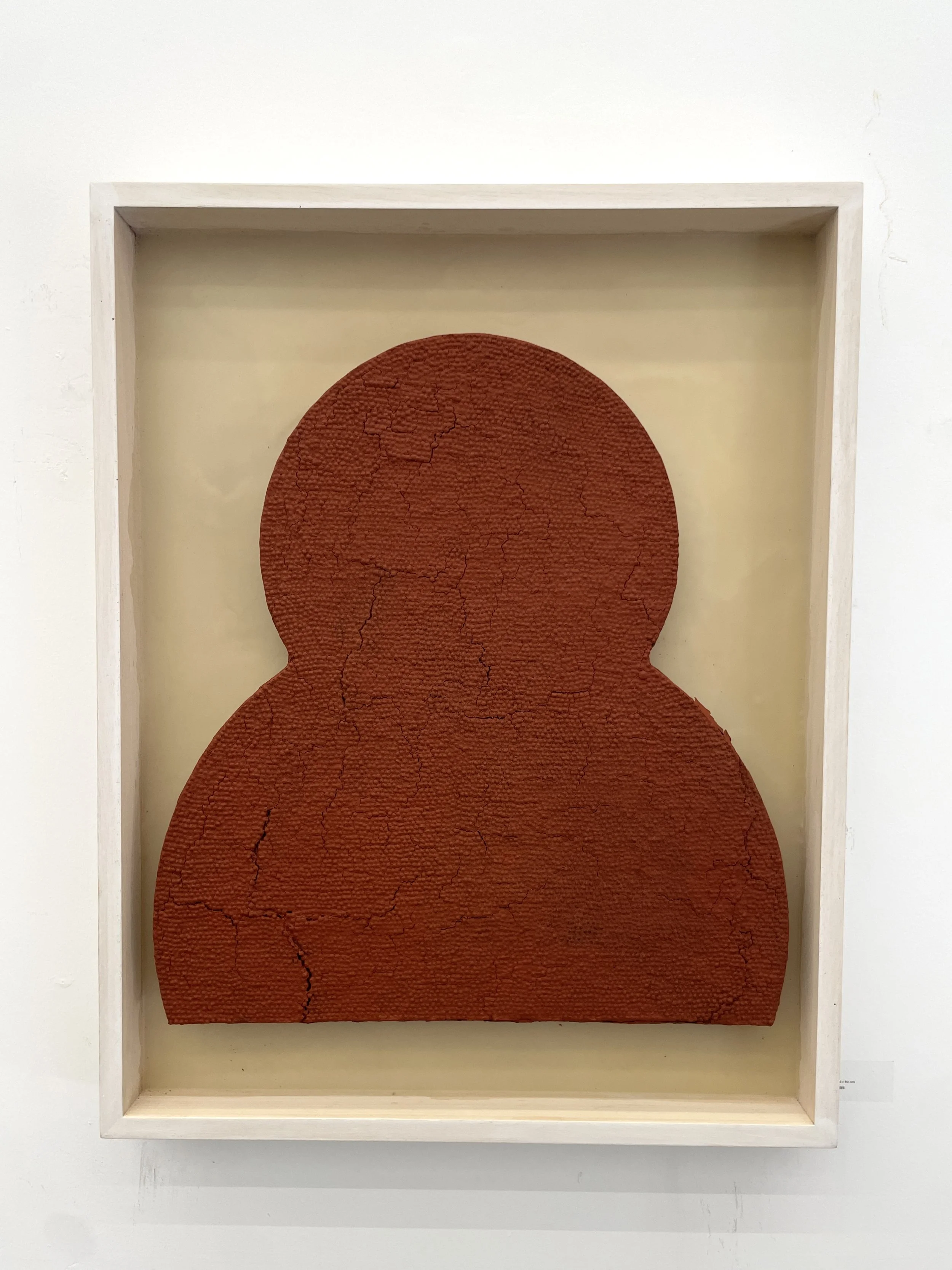
Selected Artworks
Artist
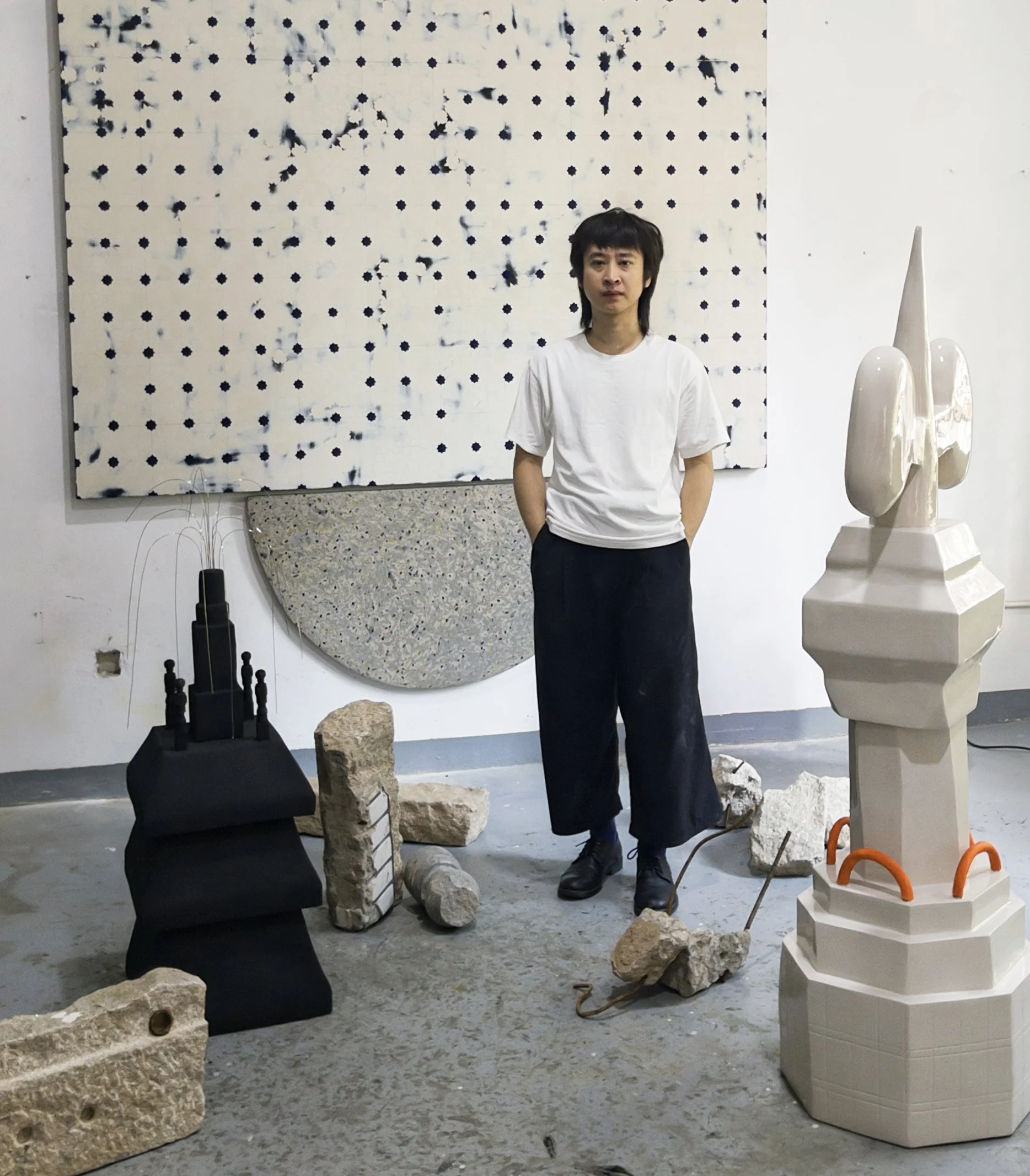
Fang Zhixiang
Fang Zhixiang (b. 1992) was born in Fujian and received his Master’s degree from the School of Arts and Crafts, Fuzhou University (Xiamen) in 2019. He currently lives and worksin Xiamen.
Fang’s recent practice centers on paintings, sculptures, and installations that employ lacquer as the primary material, using everyday life and personal memory as threads to articulate regional cultural expressions. His work has evolved from the simple “possession” of amusing or intriguing objects to an exploration of the latent social structures embedded within them. Emphasizing the direct sensory experience of objects and materials, Fang focuses on capturing and selecting fragments of life from an individual perspective, abstracting them to reveal the relationship between people and their surrounding environments through the language of objects.