
Yang Liang, Yang Tian, and Yu Yang 楊亮,楊天,于洋
Imperfection is our Paradise 不完美是我们的天堂
8.22 - 9.22, 2026
-
Imperfection Is Our Paradise
Three artists, three distinct paths, and one shared inquiry.
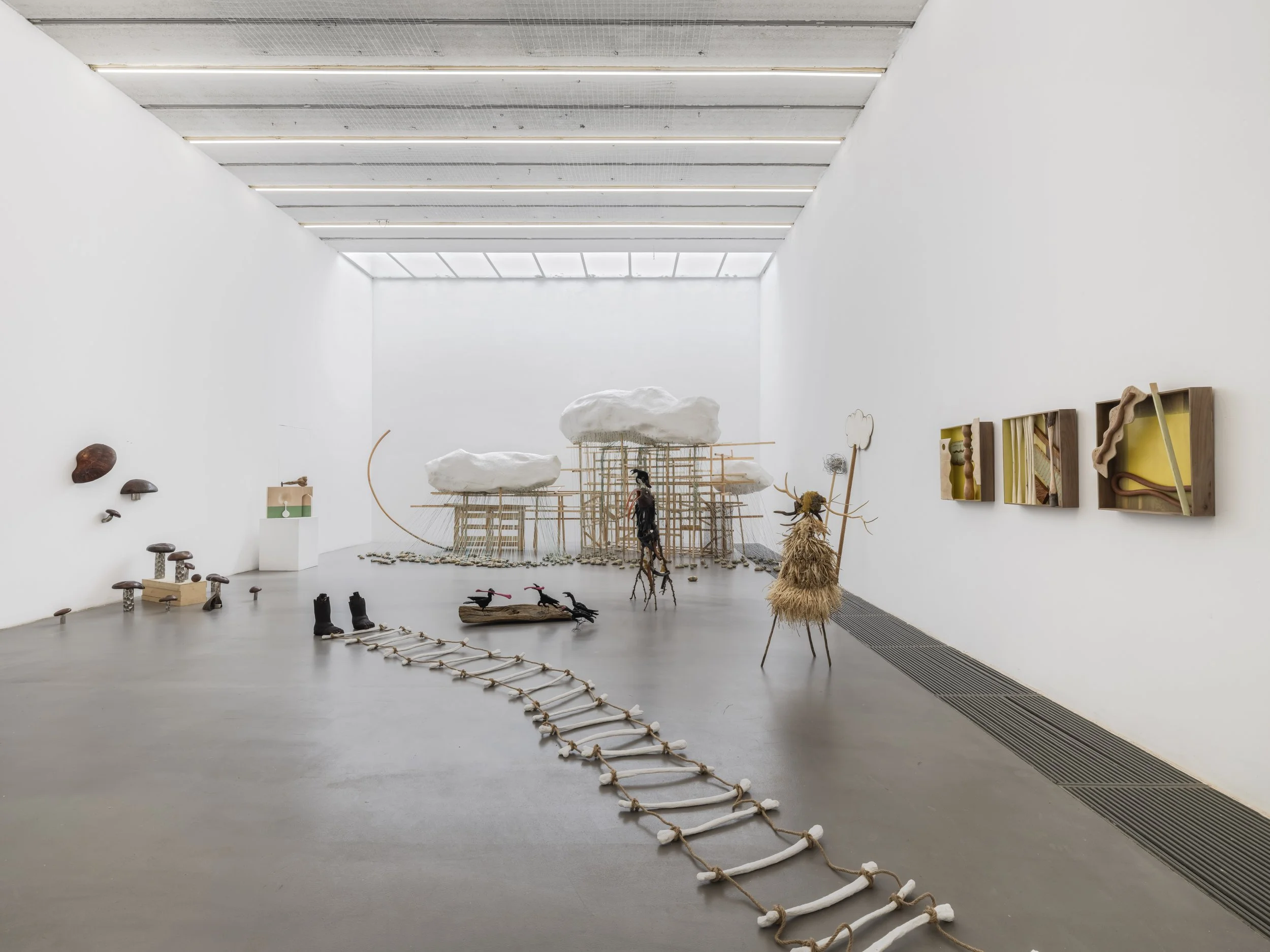
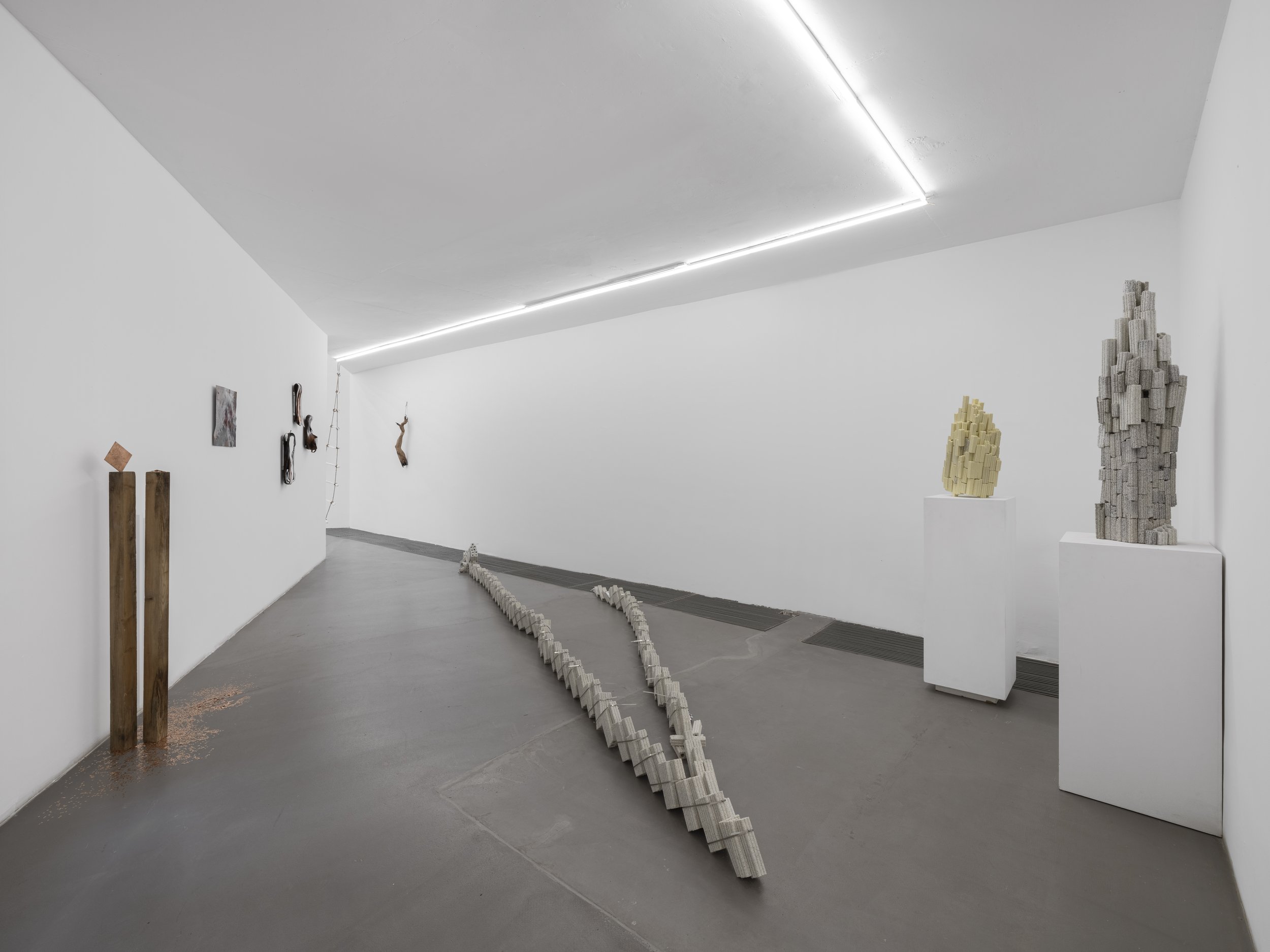
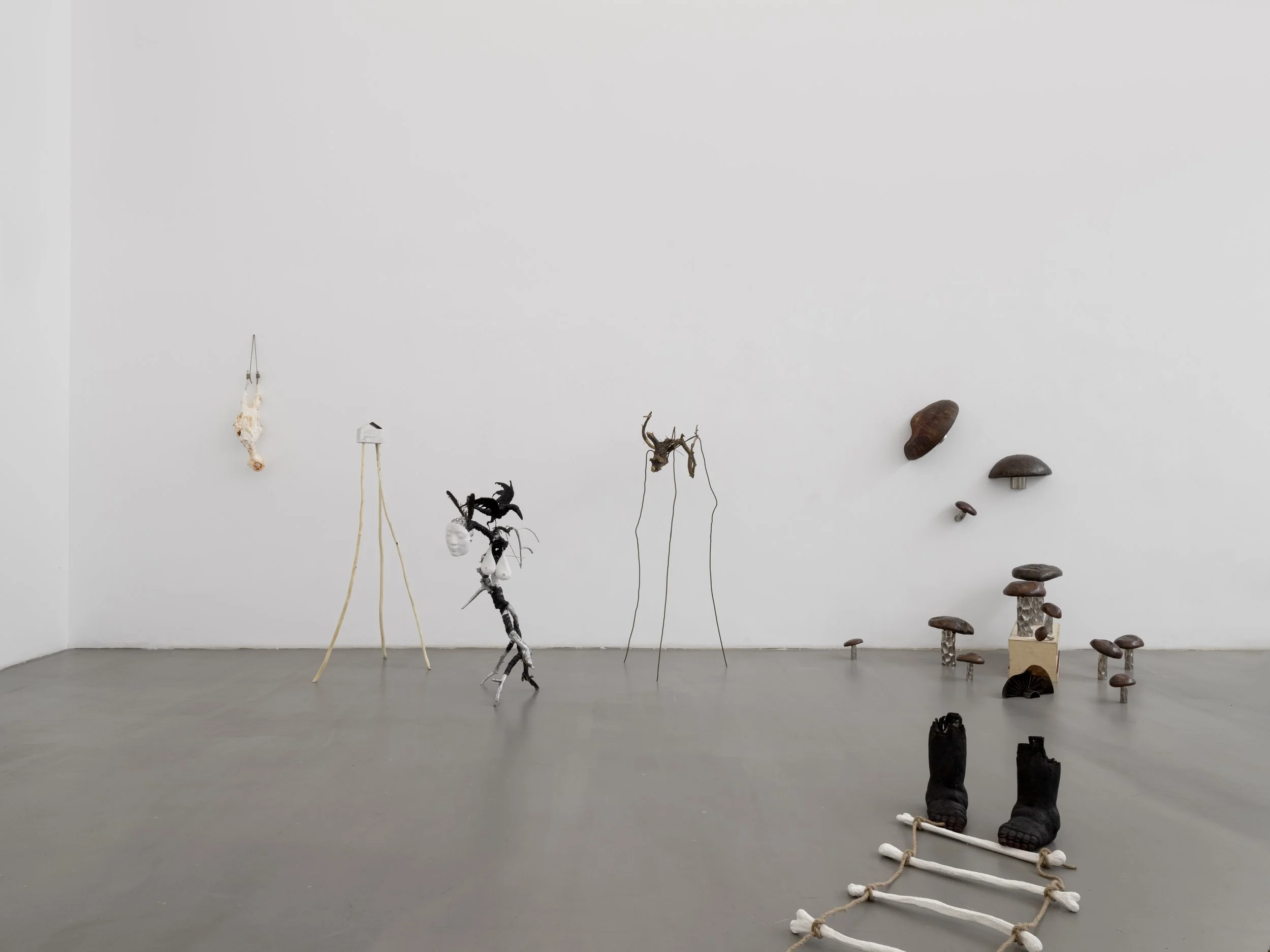
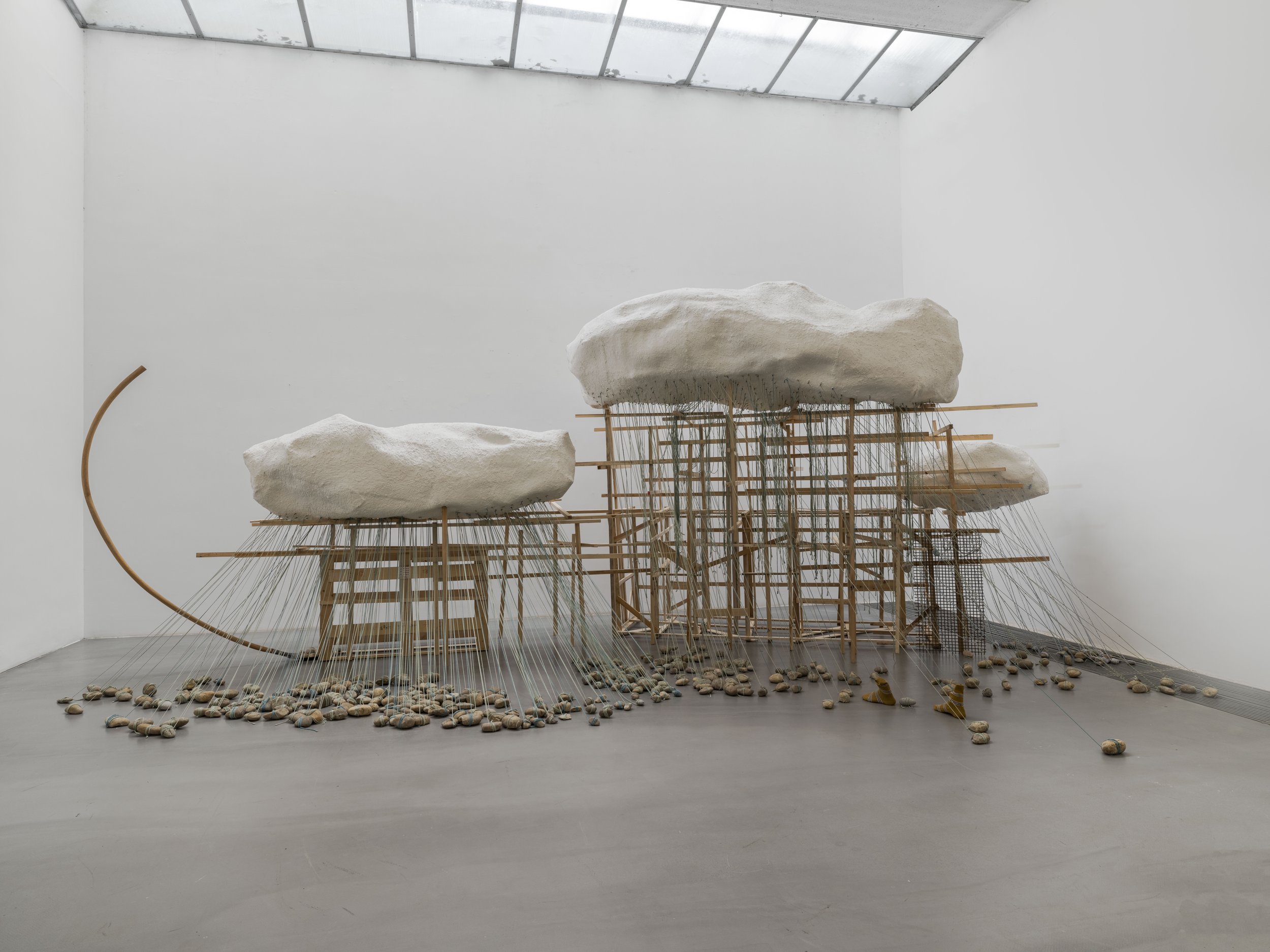
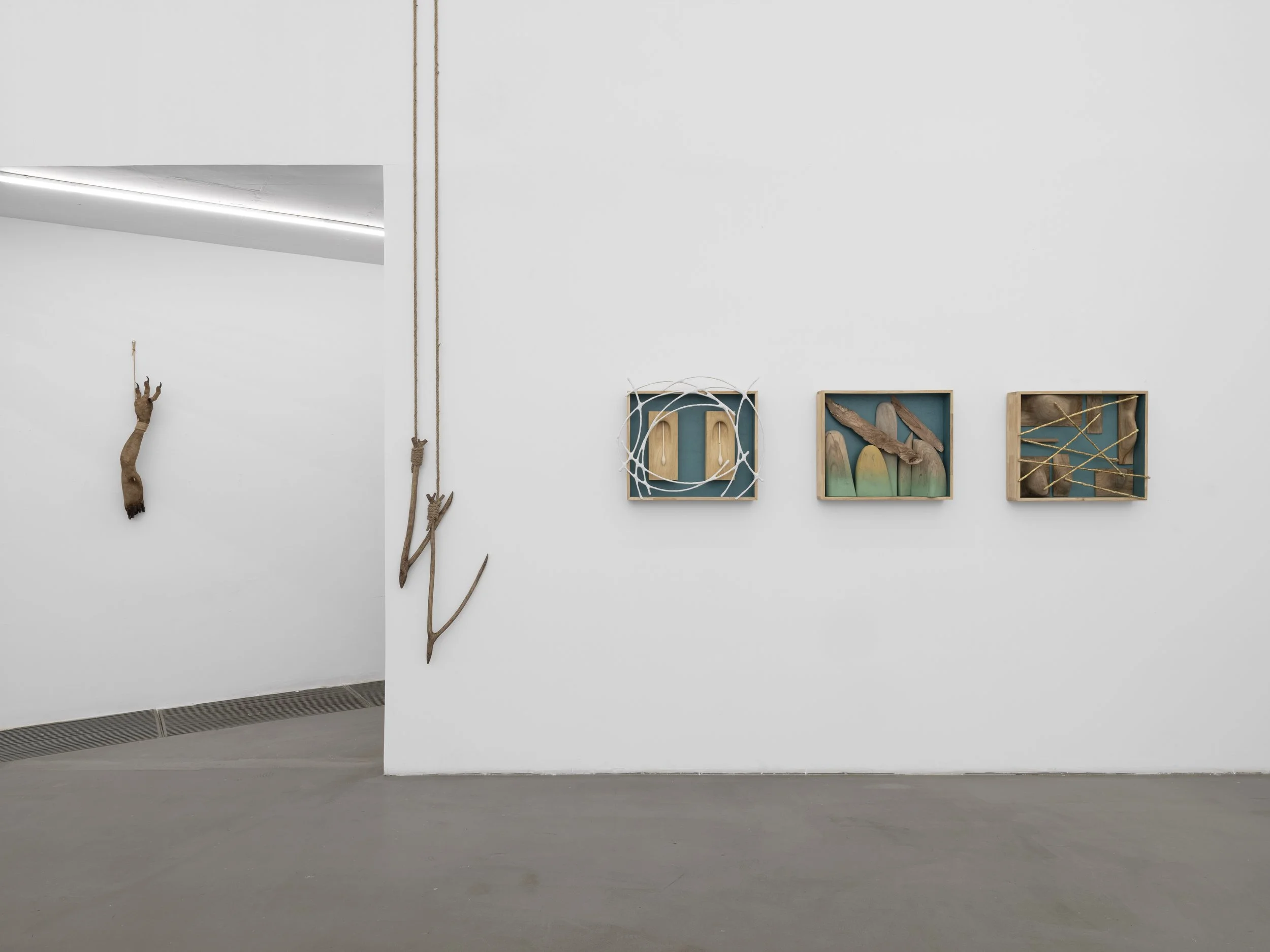
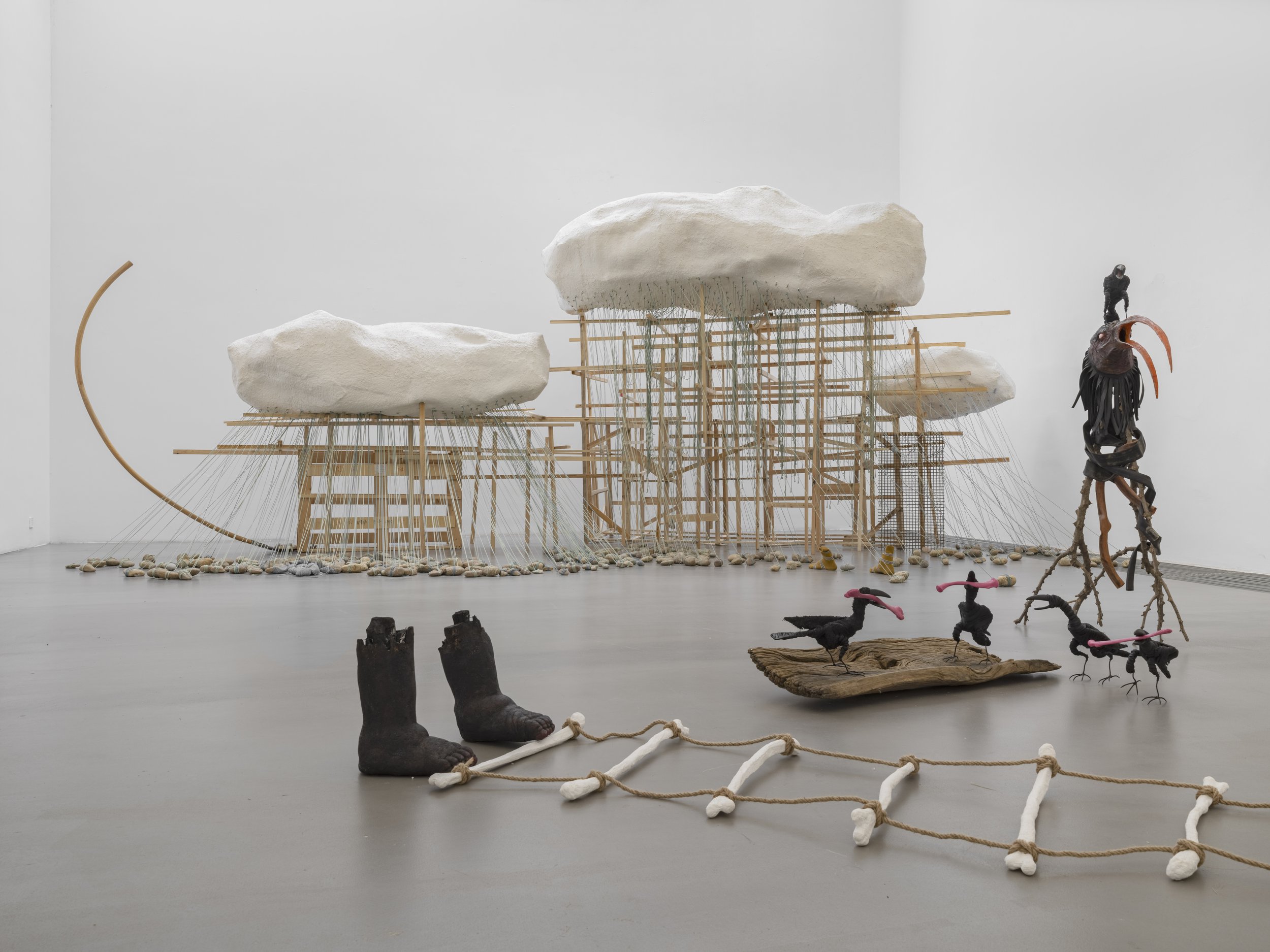
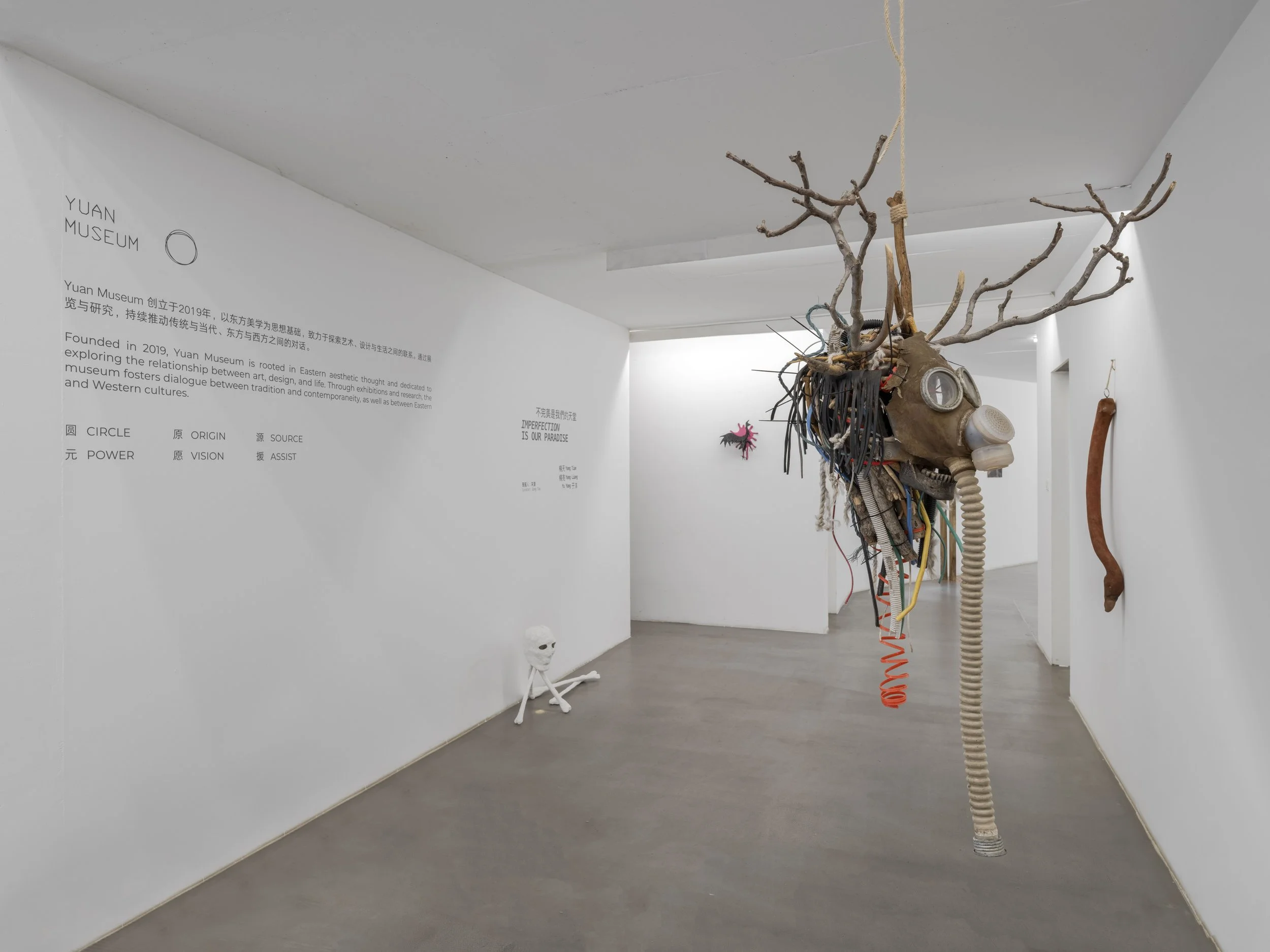
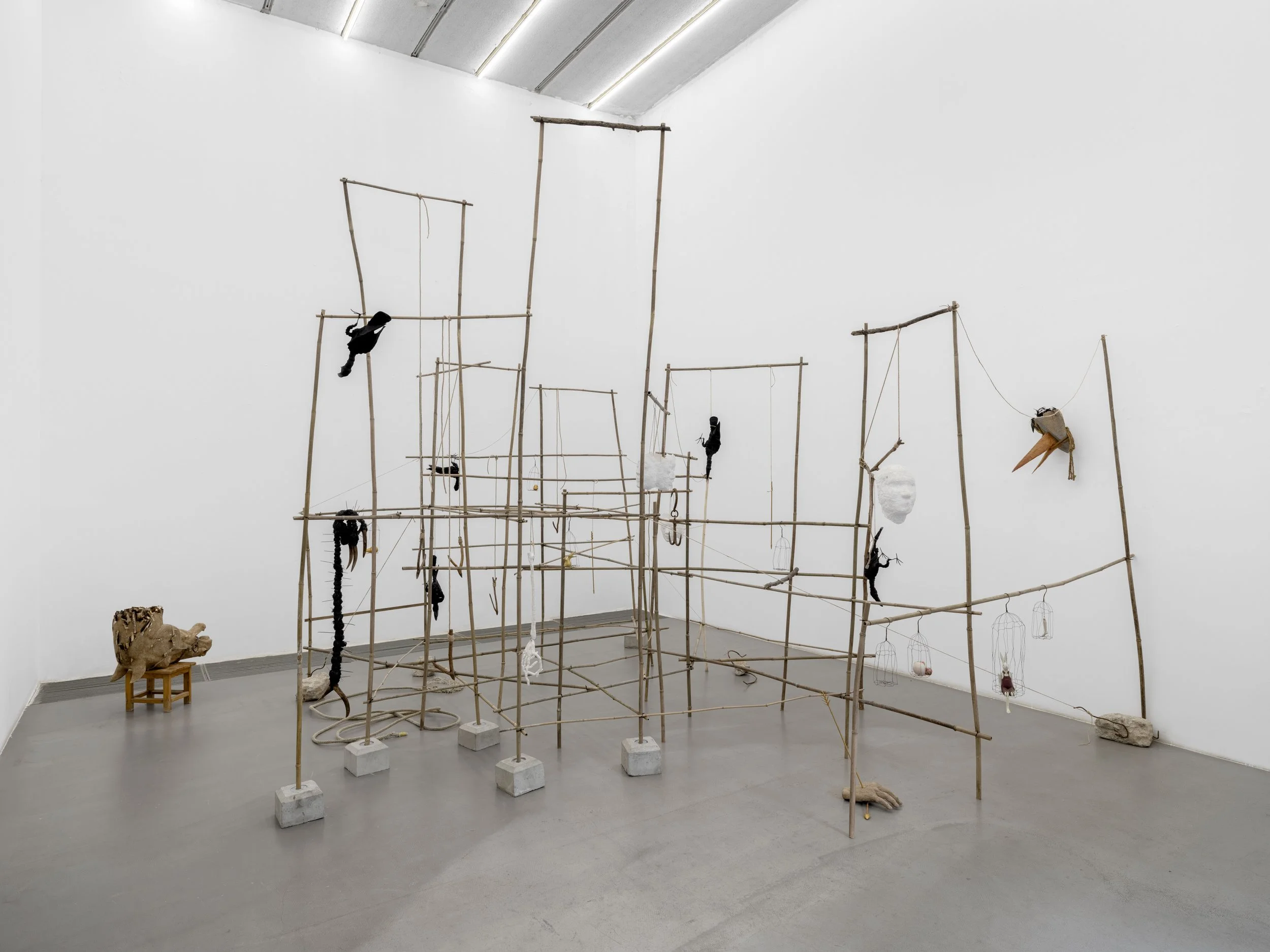
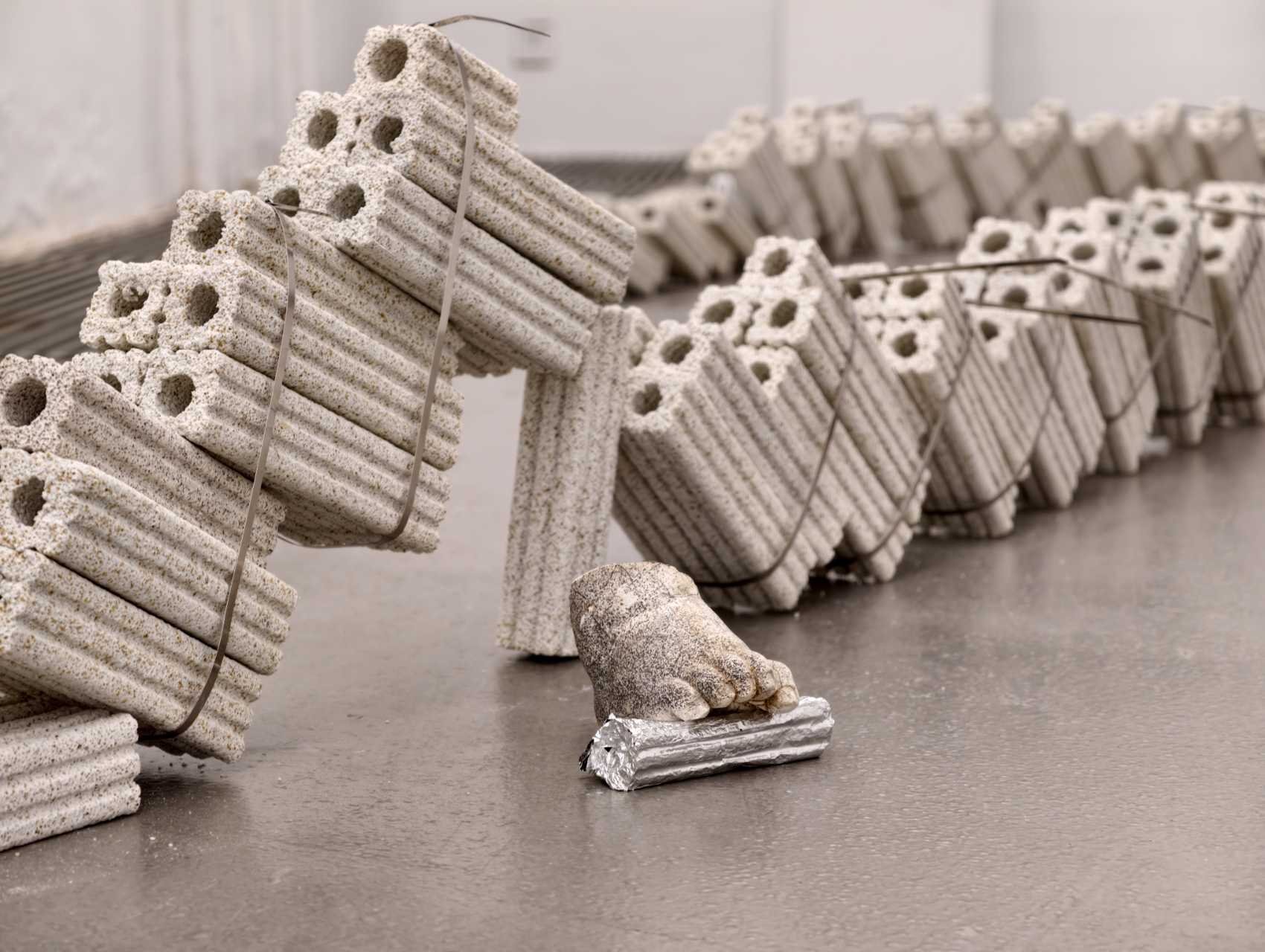
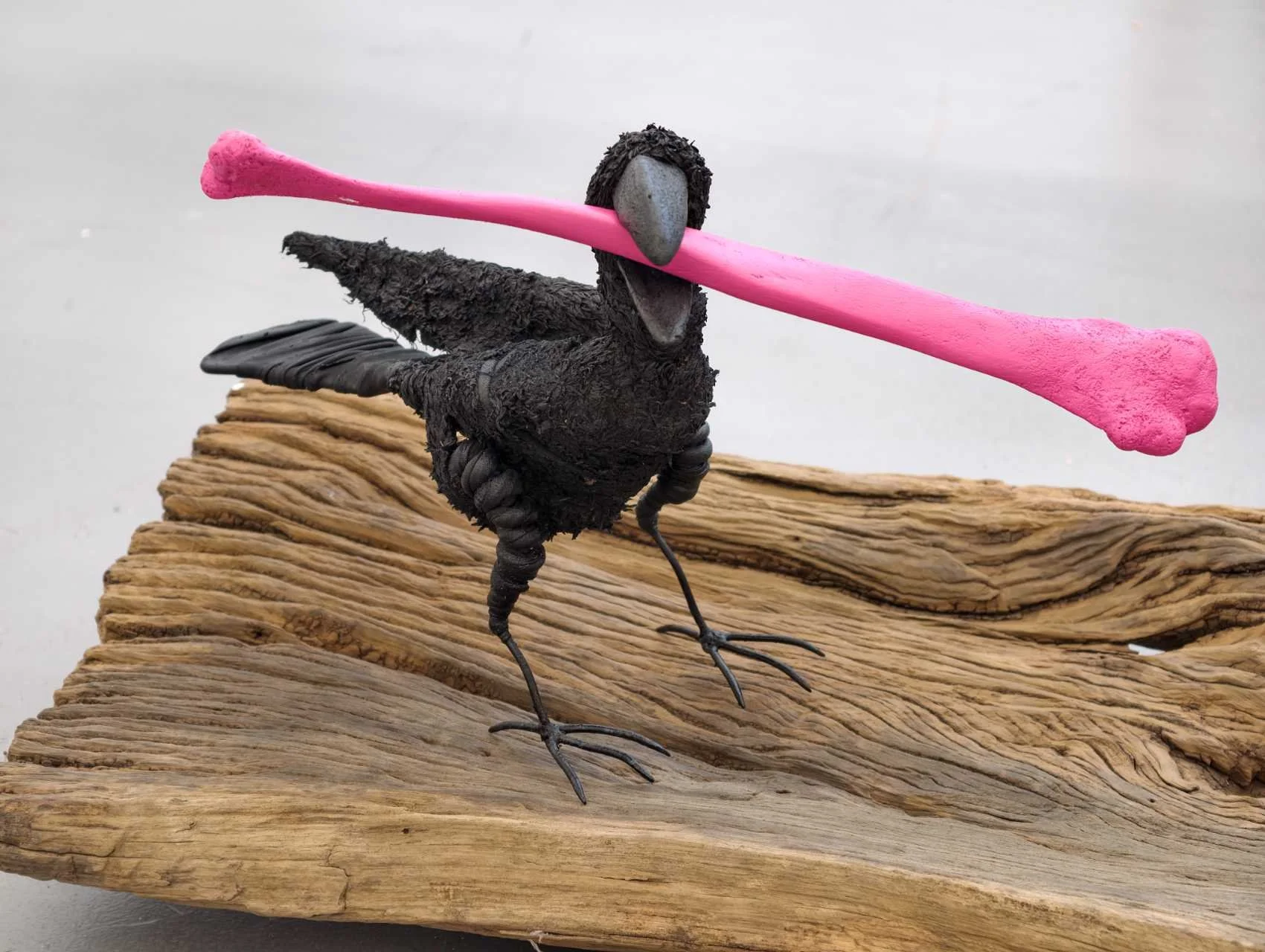
Yang Liang takes the crow as a spiritual totem, opening fissures of freedom within chaos. Yu Yang retrieves the primal language of sculpture from the ruins of materiality before gradually descending into the undercurrents of the subconscious. Yang Tian, meanwhile, works with austere industrial materials to inscribe traces of fractured systems, memories, and identities. Each confronts the fragmented condition of contemporary existence and arrives at a distinctly different response. Together, their practices offer a contemporary expression of the idea of “harmony in difference”: they share a desire to reconstruct order, yet speak through radically different visual languages.
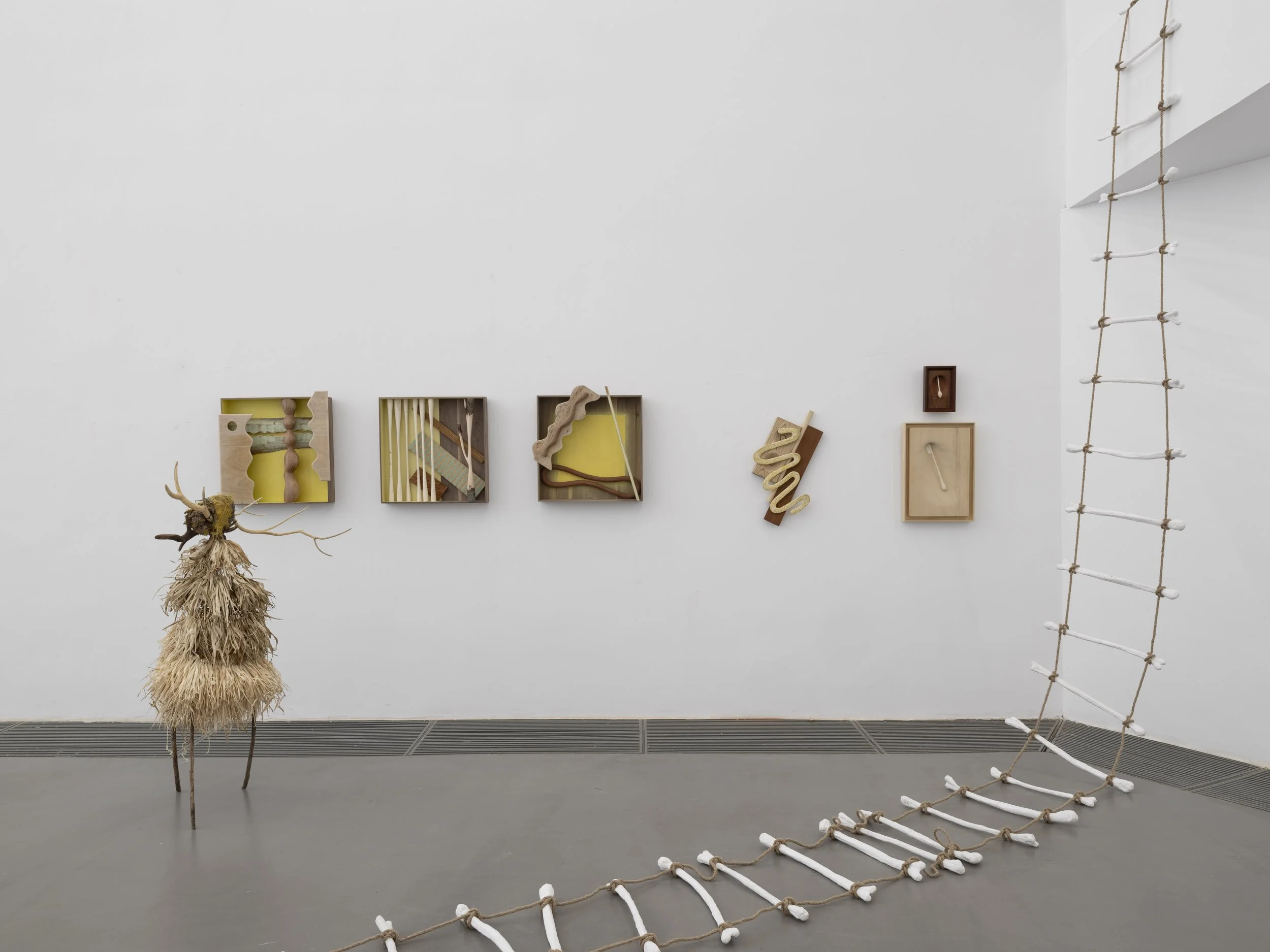
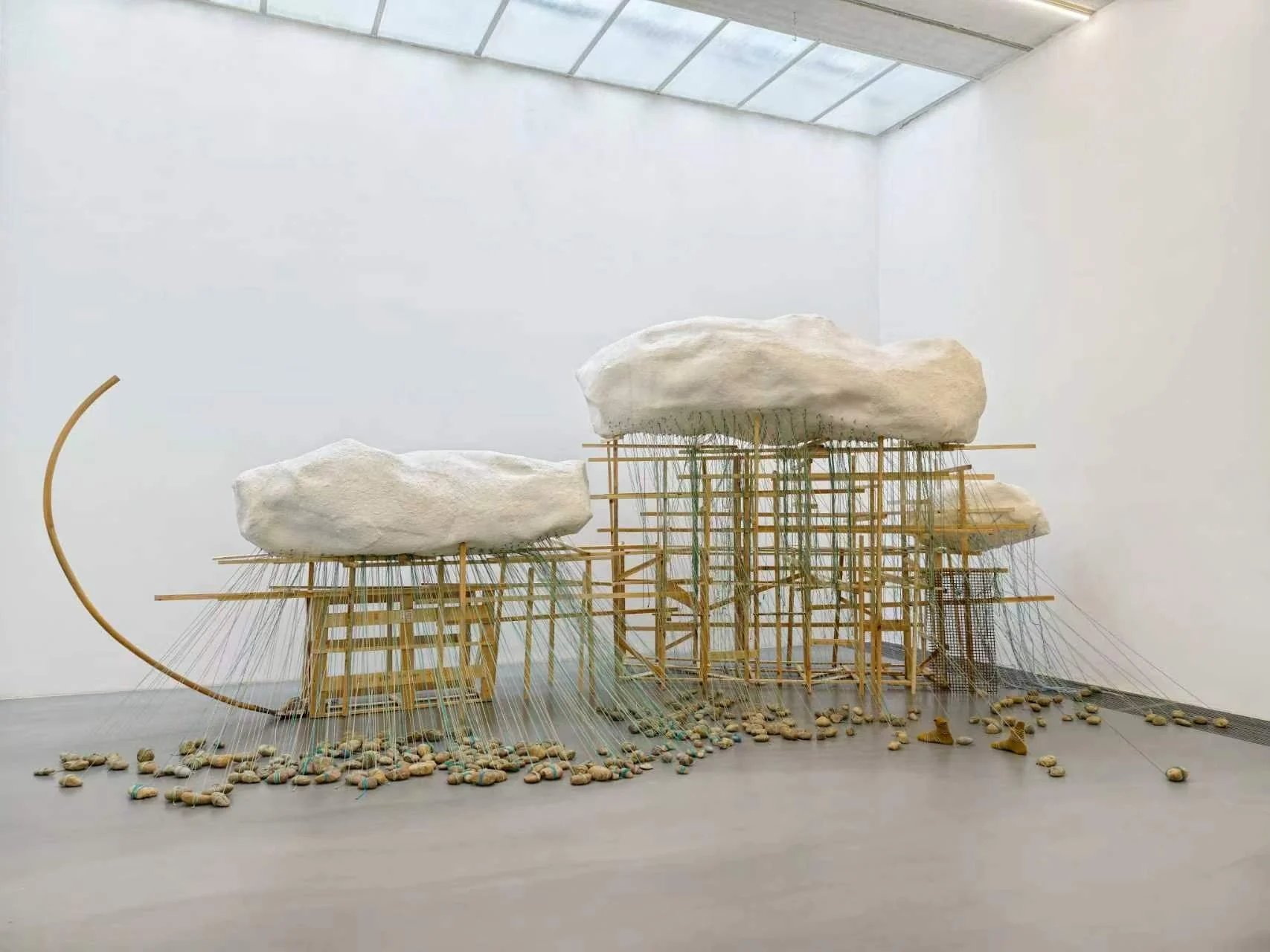
The significance of the exhibition, however, extends far beyond the simple juxtaposition of three artistic practices. As the collective rhythms of the black birds in Yang Liang’s work encounter Yu Yang’s objects stripped of their prescribed functions, and in turn meet the cold, sharp arcs of metal in Yang Tian’s work, three divergent artistic languages begin to act upon one another. Animalistic resistance, material contemplation, and industrial austerity intertwine within the gallery as a polyphonic composition. The spatial interventions of installation, the physical presence of sculpture, and the poetic narratives of cross-media practice resonate against one another, prompting viewers to move between different systems of logic—to compare, reconsider, and form new connections.
It is precisely through these encounters that new aesthetic possibilities emerge. Rather than seeking completeness within a single work, we begin to recognize a kind of “completeness within incompleteness” in the spaces between fragments. Order is no longer an imposed framework, but something that gradually takes shape through difference, friction, and dialogue. The three artists do not attempt to resolve their differences; instead, those very differences expand the boundaries of their respective practices. As viewers move between these three artistic logics, they too enter into a shared reflection on the contemporary condition.
As the poet wrote, imperfection is our paradise. Perhaps true order is never born from the premise of completeness, but begins to take shape as fragments search for, approach, and respond to one another—and it is there that beauty begins.
-
不完美是我们的天堂
三位艺术家,三种路径,一次共同的追问。
杨亮以乌鸦为精神图腾,在混沌中劈开自由的裂隙;于洋从物质的废墟中打捞雕塑的元语言,而后逐渐沉入潜意识的暗流;杨天则以冷峻的工业材料,镌刻制度、记忆与身份断裂的痕迹。他们各自面对当代生存的碎片化处境,给出迥异的回应——这亦构成了“和而不同”的一种当代表达:共享着对秩序重构的渴望,却以截然不同的语法发声。
然而,展览的意义远不止于三种实践的并置。当杨亮作品中黑鸟的群体律动,与于洋那些失去既定功能的“物体”彼此对望,再与杨天作品中金属冷峻而锋利的弧线相遇,三种迥异的艺术语言开始相互牵引。动物性的抗争、物质性的沉思与工业性的冷峻,在展厅中交织成多声部的复调。装置对空间的介入、雕塑的体量感,以及跨媒介的诗性叙事彼此激荡,使观者不断在不同的逻辑之间跳跃、比对,并重新建立联系。
正是这种碰撞,催生出新的审美可能——我们不再寻求单一作品内部的完满,而开始在碎片的间隙中辨认出一种“不完整的完整性”。秩序不再是预先强加的框架,而成为从差异、碰撞与对话中逐渐生成的共契。三位艺术家并未消弭彼此的分歧,反而借由这些分歧拓展了各自表达的边界。当观者穿行于三种不同的艺术逻辑之间,也由此进入一场关于当代精神处境的共同思考。
诗人说,不完美是我们的天堂。或许,真正的秩序从不诞生于完整的预设,而是在碎片彼此寻找、靠近与回应的过程中,成为美的开端。
Open the checklist 查看作品清单
Selected Artworks
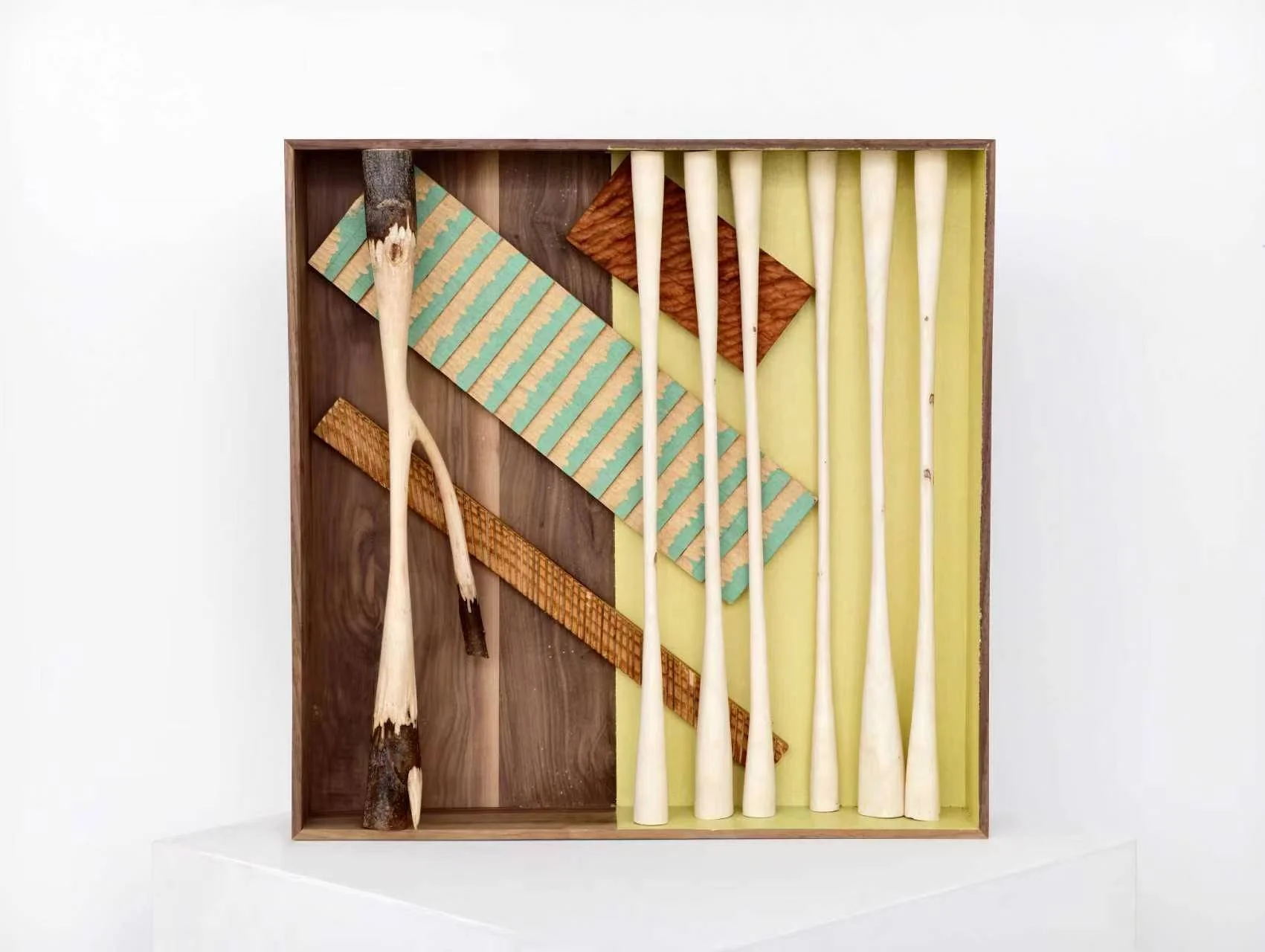
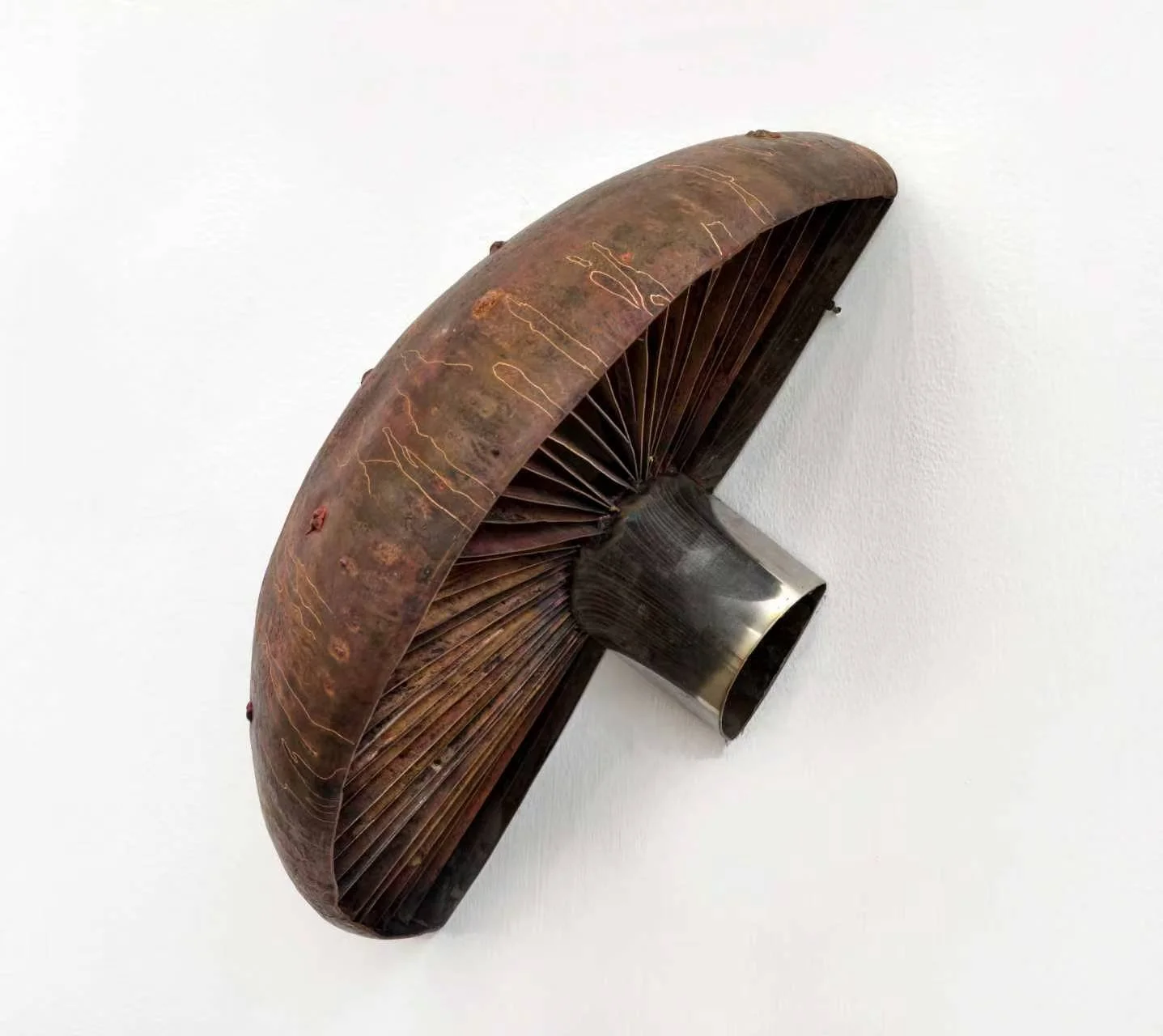
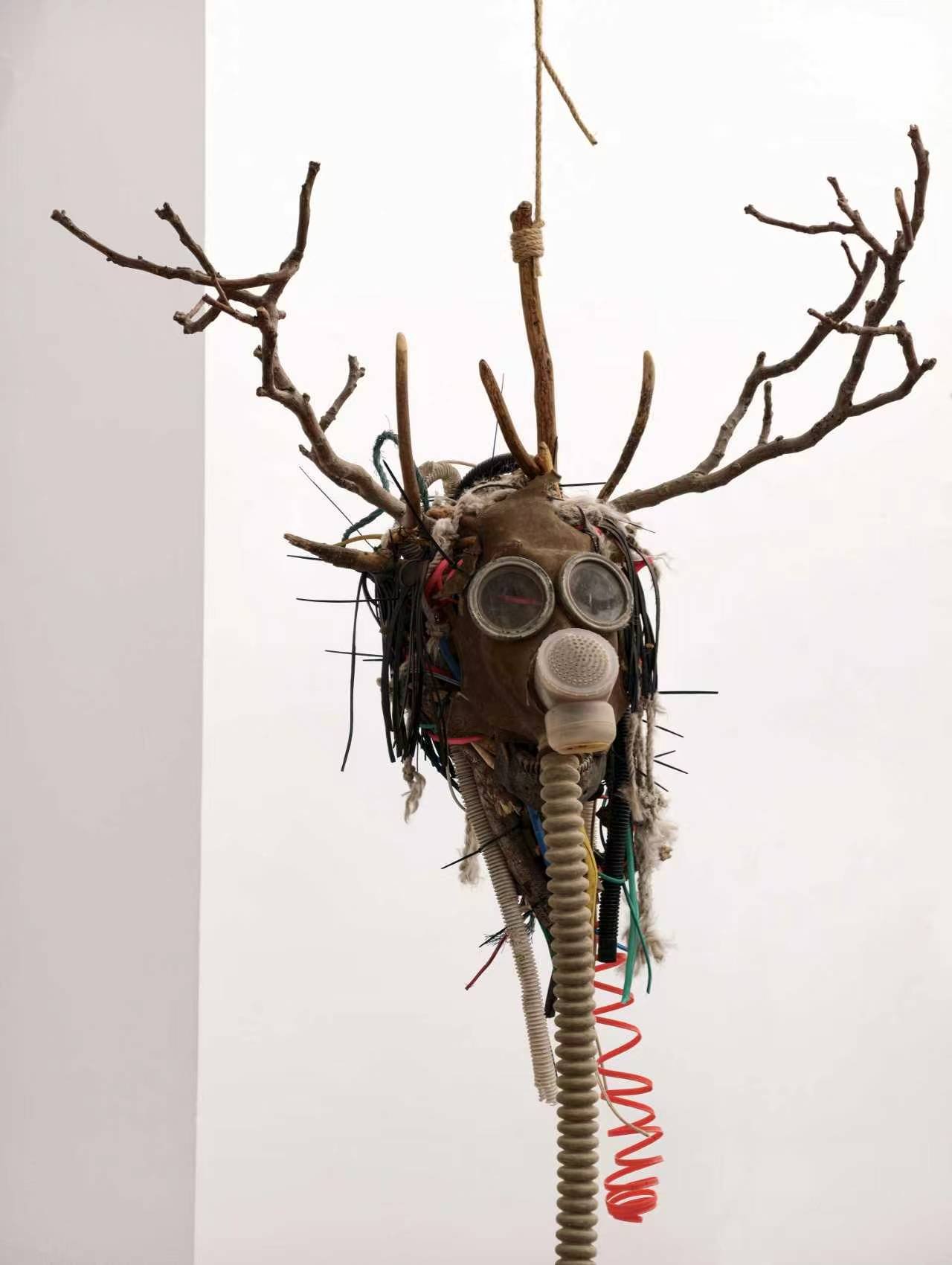
Artists
杨亮 Yang Liang
杨亮,出生于河北秦皇岛,现生活与创作于北京。2012年毕业于中央美术学院雕塑系,获学士学位;2015年获中央美术学院硕士学位。
杨亮的创作建立在长期而系统的雕塑训练之上,同时不断尝试突破传统雕塑的媒介与形式边界,寻找更贴近当代经验与个体感知的表达方式。他的创作常从自然及现实中的具体物象出发,在物质与精神、外部世界与内在经验之间建立联系,并持续探讨生命、死亡、自由与禁锢等主题。
Yang Liang was born in Qinhuangdao, Hebei Province, and currently lives and works in Beijing. He received his BFA from the Sculpture Department of the Central Academy of Fine Arts (CAFA) in 2012 and his MFA from CAFA in 2015.
Grounded in years of systematic academic training in sculpture, Yang’s practice continually moves beyond the conventional boundaries of the medium in search of forms of expression more closely attuned to contemporary experience and individual perception. Drawing frequently from nature and objects encountered in the world around him, his work establishes a dialogue between material and inner experience, exploring recurring questions of life and death, freedom and confinement.
杨天 Yang Tian
杨天,1993年生于北京,现生活与创作于北京、巴黎。他的实践涵盖雕塑、装置与绘画,关注物质、身体经验与社会结构之间的关系。
杨天常以金属、工业材料、现成物及日常对象展开创作,探讨物如何被生产、使用,并在脱离原有功能后重新显现其潜在的关系与结构。作品往往围绕连接、聚集、包裹、支撑等形态展开,关注那些维系日常生活、身体经验与社会秩序,却常处于不可见状态的物质条件。对他而言,材料并非单纯的形式载体,而是理解人与物、个体与系统之间关系的一种方式;长期的手工训练与材料实践亦构成其创作方法的重要基础。
近年来,他的创作逐渐从材料形态的转换转向对对象、基础设施及隐性关系的研究,并在工业制品、日常物件与个人经验之间建立新的关联。其作品曾展出于 Sculpture by the Sea Bondi、OSTEN 双年展、Larnaca 双年展、CICA Museum、东京都美术馆等国际展览及机构。
Yang Tian (b. 1993, Beijing) lives and works between Beijing and Paris. His practice spans sculpture, installation, and painting, examining the relationships between materiality, bodily experience, and social structures.
Working with metal, industrial materials, found objects, and everyday items, Yang explores how objects are produced and used, and how their latent relationships and structures become visible once they are removed from their original functions. His works often develop through structures of connection, accumulation, enclosure, and support, drawing attention to the material conditions that sustain everyday life, bodily experience, and social order while often remaining unseen. For Yang, material is not simply a formal medium, but a means of understanding the relationships between people and objects, individuals and systems. His long-term engagement with craftsmanship and material processes also forms an important foundation of his practice.
In recent years, his work has gradually shifted from the transformation of material form toward an investigation of objects, infrastructure, and less visible systems of relation, establishing new connections between industrial products, everyday objects, and personal experience. His work has been presented at international exhibitions and institutions including Sculpture by the Sea Bondi, the OSTEN Biennial, the Larnaca Biennale, CICA Museum, and the Tokyo Metropolitan Art Museum.
于洋 Yu Yang
于洋,1986年生于河北。2011年本科毕业于天津美术学院,2015年获中央美术学院硕士学位,2021年获清华大学美术学院博士学位。现任教于河北师范大学美术学院。
于洋的创作常从日常生活中的“杂物”出发。那些被遗弃、偶然拾得,或长期留存于工作室中的物件,因承载着时间、使用与个人经验的痕迹而获得新的意义。当它们脱离原有功能并被置入新的语境,便成为连接个人经验与集体记忆的媒介。
通过对物件与结构的错置、组合和重构,于洋建立起临时而脆弱的平衡关系,在轻与重、稳定与失衡、自然与人造之间形成持续的张力。对他而言,材料的组合与结构的搭建不仅是一种形式探索,也映射着个体所面对的际遇、选择与坚持,以及人在不确定现实中不断寻找平衡的生存状态。
Yu Yang (b. 1986, Hebei Province) received his BFA from Tianjin Academy of Fine Arts in 2011, his MFA from the Central Academy of Fine Arts (CAFA) in 2015, and his PhD from the Academy of Arts & Design, Tsinghua University, in 2021. He currently teaches at the Academy of Fine Arts, Hebei Normal University.
Yu’s practice often begins with miscellaneous objects drawn from everyday life. Discarded, found, or accumulated over time in his studio, these objects acquire new significance through the traces of time, use, and personal experience they carry. Once removed from their original functions and placed within new contexts, they become vehicles through which personal experience and collective memory intersect.
Through displacement, recombination, and the restructuring of objects and forms, Yu constructs temporary and precarious states of balance, creating tensions between lightness and weight, stability and imbalance, and the natural and the artificial. For him, the combination of materials and construction of structures are not merely formal investigations; they also reflect encounters, choices, and acts of persistence, as well as the ways individuals continually negotiate uncertain realities.